
Cement Shaking Vibrating Technology for Durable Concrete Structures
Cement Shaking Vibrating: Applications and Innovations
Cement shaking vibrating technology plays a critical role in ensuring the quality and durability of concrete structures. From precast concrete production to on-site construction, the controlled vibration process is vital for eliminating air pockets and achieving optimal density. This article delves into the science behind cement shaking vibration, its various applications, the technology involved, and explores the latest innovations. Understanding these principles is crucial for engineers, construction professionals, and anyone involved in the concrete industry. Explore the advanced solutions offered by CZ Lab Instrument for precise and reliable cement testing.

Understanding the Science Behind Cement Shaking Vibration
The process of cement shaking vibration isn't merely about "shaking" concrete. It's a carefully controlled application of mechanical energy to fluidize the cement mixture. This fluidization allows aggregate particles to rearrange themselves, filling voids and expelling entrapped air. Without proper vibration, air pockets weaken the concrete, leading to reduced compressive strength, increased permeability, and a shortened lifespan. The frequency and amplitude of the vibration are crucial parameters, varying depending on the concrete mix design, the size of the formwork, and the type of reinforcement used. Effective vibration requires understanding the complex interplay between these factors and the properties of the cement itself.
Key Benefits of Proper Vibration: Increased concrete density, improved bond with reinforcement, reduced permeability, and enhanced durability.
Applications of Cement Shaking Vibration
Cement shaking vibration is employed across a broad spectrum of construction applications. In precast concrete plants, it’s essential for producing high-quality elements like paving stones, hollow core slabs, and wall panels. On construction sites, it’s crucial for consolidating concrete in foundations, columns, walls, and slabs. Specialized vibration techniques are also used in applications like self-consolidating concrete (SCC) and the production of concrete pipes and tunnels. The specific type of vibrator – internal, external, or table vibrator – is chosen based on the application and the size/complexity of the concrete pour. Furthermore, precise vibration control is critical for architectural concrete, ensuring a smooth and aesthetically pleasing surface finish.
Common Applications:
• Precast Concrete Production
• Foundations & Slab Consolidation
• Wall & Column Construction
• Tunnel & Pipe Manufacturing
Types of Cement Shaking Vibrators: A Comparative Overview
Selecting the right vibrator is vital for efficient and effective concrete consolidation. There are three primary types: internal vibrators (also known as needle vibrators), external vibrators (form vibrators), and vibrating tables. Each offers unique advantages and is suited for different applications. Internal vibrators are inserted directly into the concrete, providing localized vibration. External vibrators are attached to the formwork, transmitting vibration through the mold. Vibrating tables are used for precast elements, vibrating the entire mold. Choosing the optimal type depends on the size and shape of the concrete element, the complexity of the reinforcement, and the desired level of consolidation.
Innovations in Cement Shaking Vibration Technology
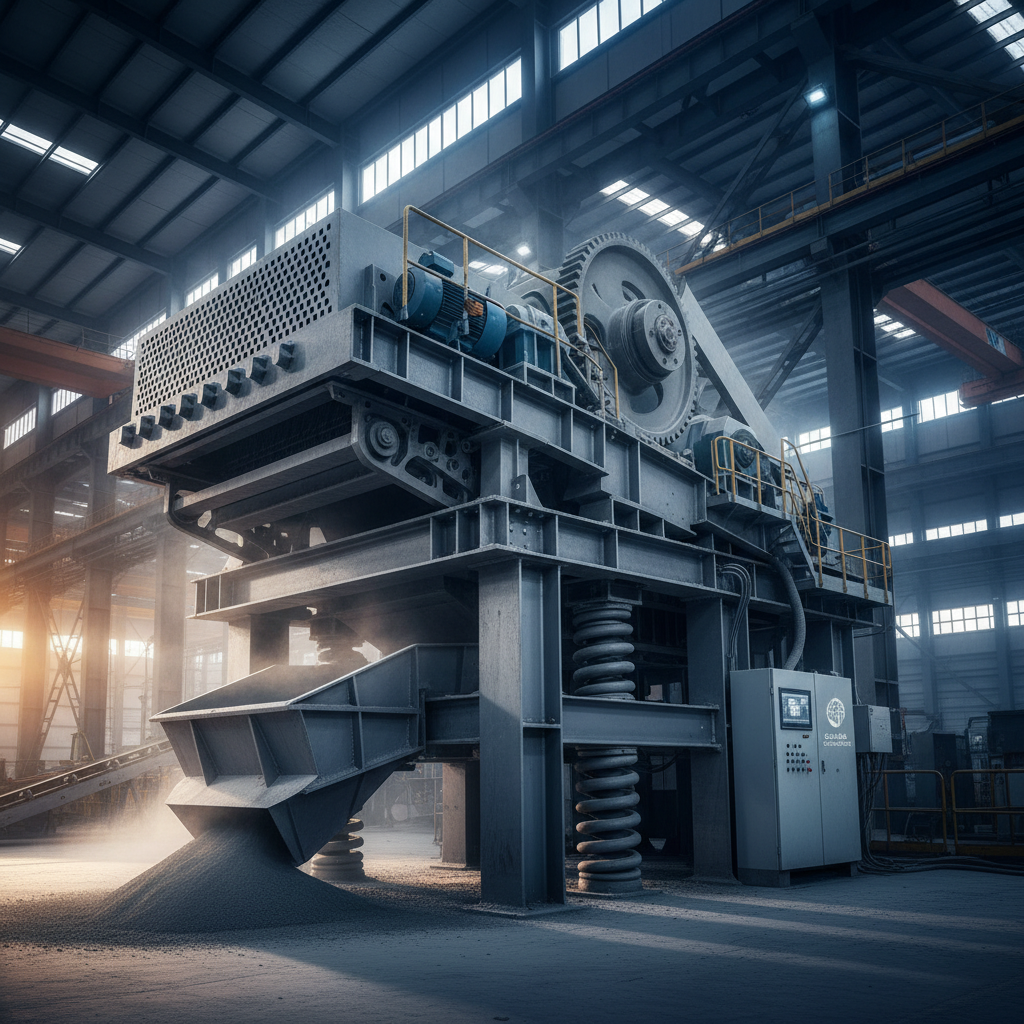
Recent advancements in cement shaking vibrating technology are focused on enhancing control, automation, and monitoring. Smart vibrators equipped with sensors and data analytics capabilities are gaining traction. These systems can automatically adjust vibration parameters based on real-time concrete properties, optimizing consolidation and minimizing energy consumption. Remote monitoring and control systems allow operators to oversee the vibration process from a distance, improving safety and efficiency. Furthermore, research into new vibration frequencies and waveforms aims to further improve concrete quality and reduce the risk of segregation. CZ Lab Instrument is at the forefront of providing cutting-edge equipment and solutions for these evolving needs.
Ensuring Optimal Vibration: Best Practices
Achieving effective cement shaking vibration requires adherence to best practices. Avoid over-vibration, as this can lead to segregation of the concrete mix. Use the correct type of vibrator for the application. Insert internal vibrators vertically and withdraw them slowly, ensuring complete penetration and overlap. Monitor the concrete surface for signs of proper consolidation, such as the disappearance of air bubbles and a consistent, glossy appearance. Regularly inspect and maintain vibration equipment to ensure optimal performance. For specialized testing and quality control, consider utilizing the advanced solutions offered by CZ Lab Instrument.
Conclusion: The Importance of Precise Cement Vibration
Precise cement shaking vibration is fundamental to producing durable and high-quality concrete structures. By understanding the science behind the process, utilizing the appropriate equipment, and adhering to best practices, construction professionals can ensure optimal consolidation and maximize the lifespan of their projects. Investing in quality equipment and reliable testing solutions, like those offered by CZ Lab Instrument, is paramount for achieving long-term success.
Frequently Asked Questions (FAQs)
What factors influence the optimal vibration frequency?
The optimal vibration frequency depends on several factors including the concrete mix design (water-cement ratio, aggregate size and shape), the size and shape of the formwork, and the reinforcement density. Generally, lower frequencies are more effective for consolidating heavily reinforced sections, while higher frequencies are suitable for thinner sections and self-consolidating concrete. Excessive frequency can lead to segregation, while insufficient frequency results in inadequate consolidation. A trial mix and visual inspection are crucial for determining the optimal frequency for a specific application. Factors such as the type of cement used, and the admixture used will influence optimal frequency.
How do you avoid over-vibration?
Over-vibration can lead to segregation of the concrete mix, where heavier aggregates sink to the bottom while lighter particles rise to the top. To avoid this, limit the duration of vibration to the minimum necessary to achieve consolidation. Observe the concrete surface for signs of consolidation, such as the disappearance of air bubbles and the appearance of a glossy sheen. Avoid leaving the vibrator in one spot for too long, and overlap the insertion points to ensure uniform vibration.
What is the role of testing in cement vibration quality control?
Testing plays a critical role in ensuring the effectiveness of cement vibration. Non-destructive tests, such as the slump test and air content test, can provide valuable information about the concrete's workability and consolidation. Destructive tests, such as compressive strength testing and core sampling, can verify the concrete's structural performance. CZ Lab Instrument offers a comprehensive range of testing equipment to assess the quality of vibrated concrete.
Are there any safety concerns associated with using concrete vibrators?
Yes, there are safety concerns. Always ensure the vibrator is properly grounded to prevent electrical shock. Avoid contact with wet concrete, and wear appropriate personal protective equipment (PPE), including gloves and eye protection. Inspect the vibrator cable for damage before each use, and never operate a damaged vibrator. Be mindful of pinch points and moving parts, and maintain a safe distance from other workers.


