
Comprehensive Guide to Concrete Slump Test Equipment and Applications
Concrete Slump Test Equipment: A Comprehensive Guide
The Concrete Slump Test Equipment is a crucial tool for quality control in the construction industry. This equipment allows professionals to measure the consistency of fresh concrete, a key indicator of its workability and overall quality. Understanding the principles behind slump testing and selecting the right equipment are vital for ensuring successful concrete projects. Accurate slump testing helps prevent issues such as segregation, bleeding, and inadequate strength. Let’s delve into the specifics of slump testing equipment, its applications, and the features to look for when making a purchase.
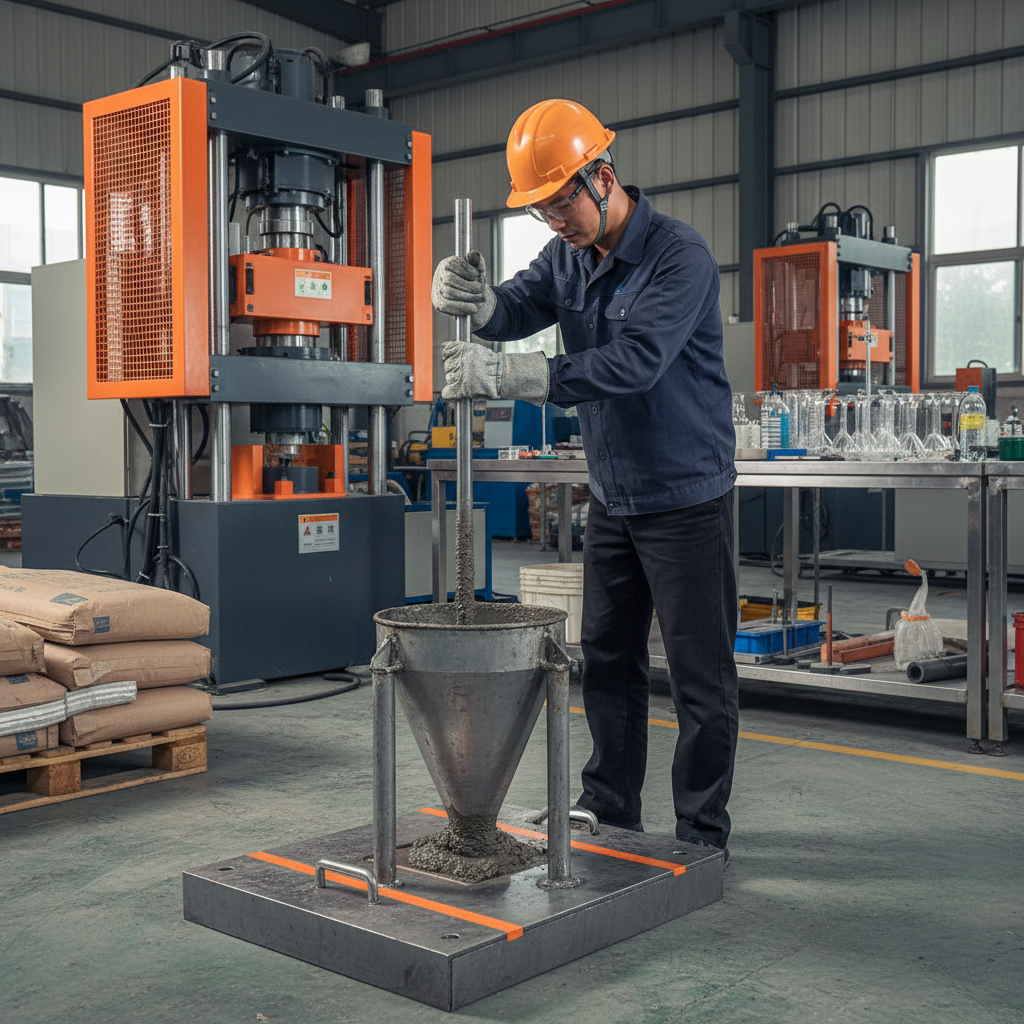
What is a Concrete Slump Test?
The concrete slump test measures the consistency of fresh concrete before it is placed. It’s a simple, yet effective test used to assess the workability of the concrete mix. Workability refers to the ease with which concrete can be mixed, placed, consolidated, and finished. The test involves filling a slump cone with concrete in layers, removing the cone, and measuring how much the concrete “slumps” or settles. A higher slump indicates a wetter, more workable mix, while a lower slump suggests a drier, less workable mix. The resulting slump value is a critical data point for ensuring the concrete meets the project’s specific requirements.
Essential Components of Concrete Slump Test Equipment
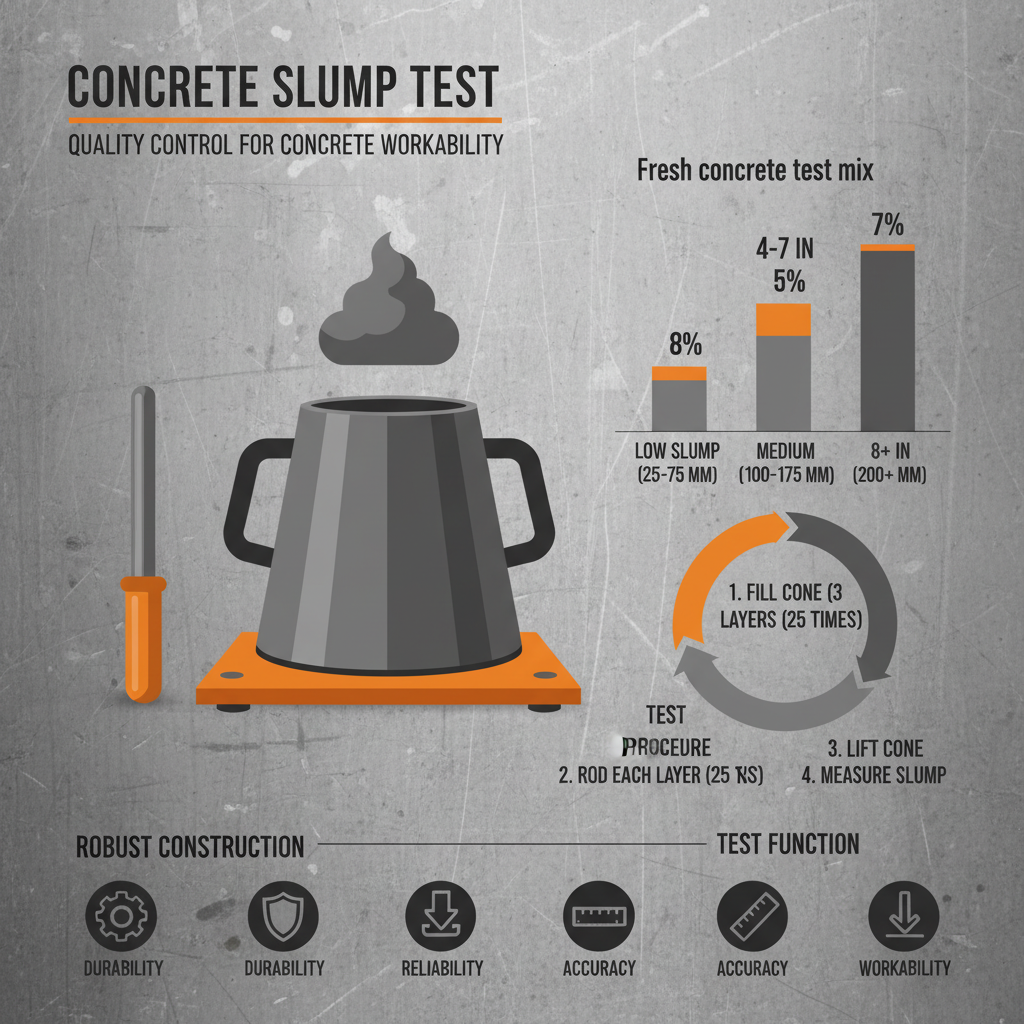
Standard Concrete Slump Test Equipment typically includes several key components. These are the slump cone, a tamping rod, a base plate, and a measuring scale. The slump cone is a truncated cone made of stainless steel or heavy-gauge plastic, specifically designed to meet ASTM C143 standards. The tamping rod is used to consolidate the concrete within the cone. The base plate provides a stable surface for the cone, and the measuring scale allows for precise slump height measurement. High-quality equipment ensures accurate and repeatable results.
Key Components: Slump Cone, Tamping Rod, Base Plate, Measuring Scale. Accurate measurements and durable construction are vital.
Choosing the Right Concrete Slump Test Equipment
Selecting the appropriate Concrete Slump Test Equipment depends on your specific needs and budget. Consider factors such as the frequency of testing, the environment where the tests will be performed, and the level of accuracy required. Stainless steel equipment is more durable and resistant to corrosion, making it ideal for long-term use and harsh environments. Plastic equipment is a more affordable option suitable for less frequent testing. Ensuring the equipment meets relevant standards (ASTM C143) is also paramount.
Key Considerations:
• Frequency of testing
• Testing environment
• Required accuracy
• Compliance with ASTM C143 standards
Comparing Slump Test Equipment Materials: Stainless Steel vs. Plastic
The two primary materials used in the construction of slump test equipment are stainless steel and plastic. Stainless steel offers superior durability, corrosion resistance, and longevity. While it's a more expensive initial investment, its resilience makes it a cost-effective choice in the long run. Plastic slump cones are lighter and more affordable, but they are susceptible to damage and degradation over time. Here's a comparative overview:
Applications of Slump Test Equipment Across Construction Projects
The concrete slump test is an indispensable part of quality assurance in a wide range of construction projects. This includes residential building, commercial construction, infrastructure projects like bridges and roads, and even precast concrete manufacturing. It's used to verify that the concrete mix delivered to the job site meets the specified workability requirements. Regular slump tests help prevent issues with concrete placement, consolidation, and finishing, ultimately contributing to the structural integrity and longevity of the finished product.
Product Specifications and Considerations from CZLabInstrument
CZLabInstrument offers a range of high-quality Concrete Slump Test Equipment designed to meet the demands of modern construction. Our equipment is manufactured to ASTM C143 standards and is available in both stainless steel and plastic options. Here’s a quick look at the specifications:
Conclusion: Ensuring Concrete Quality with Reliable Equipment
Investing in quality Concrete Slump Test Equipment is a vital step in ensuring the durability and safety of any construction project. CZLabInstrument provides reliable and accurate tools to help you maintain quality control and meet industry standards. Don't compromise on the foundation of your projects – choose CZLabInstrument for all your concrete testing needs.
Frequently Asked Questions (FAQs)
What factors can affect the slump test results?
Several factors can influence the accuracy of a slump test. These include the concrete's temperature, air content, aggregate properties, and the operator's technique. Temperature affects the concrete's workability; higher temperatures typically lead to higher slumps. The amount of air entrained in the concrete also influences the slump value. It's essential to follow standardized testing procedures (ASTM C143) and maintain consistent testing conditions to minimize these variables. Proper tamping technique and accurate measurement are critical for obtaining reliable results.
How often should a slump test be performed?
The frequency of slump tests depends on the size and complexity of the project, as well as the variability of the concrete mix. As a general guideline, a slump test should be performed at least once for every 50 cubic meters of concrete delivered or every three hours, whichever comes first. More frequent testing is recommended when changes are made to the mix design or when there are concerns about consistency. Multiple tests should be conducted for each delivery to ensure representative results.
What does a high or low slump value indicate?
A high slump value (generally above 4 inches or 100mm) indicates a very workable, potentially wet mix. While easy to place, it may be prone to segregation and bleeding, potentially leading to reduced strength. A low slump value (below 2 inches or 50mm) suggests a stiff, less workable mix. This may cause difficulties during placement and consolidation, requiring more effort to achieve proper compaction. The ideal slump value depends on the specific application and project requirements.
Where can I find more information about concrete slump testing?
Detailed information about concrete slump testing can be found in ASTM C143, the standard test method for slump of hydraulic-cement concrete. Resources are also available from organizations like the American Concrete Institute (ACI) and various online construction industry resources. The CZLabInstrument website also provides comprehensive resources and technical specifications for our concrete testing equipment.


