
Comprehensive Guide to Digital Concrete Test Hammer Technology and Applications
Digital Concrete Test Hammer: A Comprehensive Guide
Ensuring the quality and durability of concrete structures is paramount in the construction industry. A crucial tool for non-destructive testing is the Digital Concrete Test Hammer. This device allows professionals to quickly and accurately assess the compressive strength of concrete without causing damage. This article provides a detailed overview of digital concrete test hammers, their applications, key features, and how to choose the right model for your needs. Understanding and utilizing this technology is essential for maintaining structural integrity and safety in construction projects.
Understanding the Principles of Concrete Test Hammers
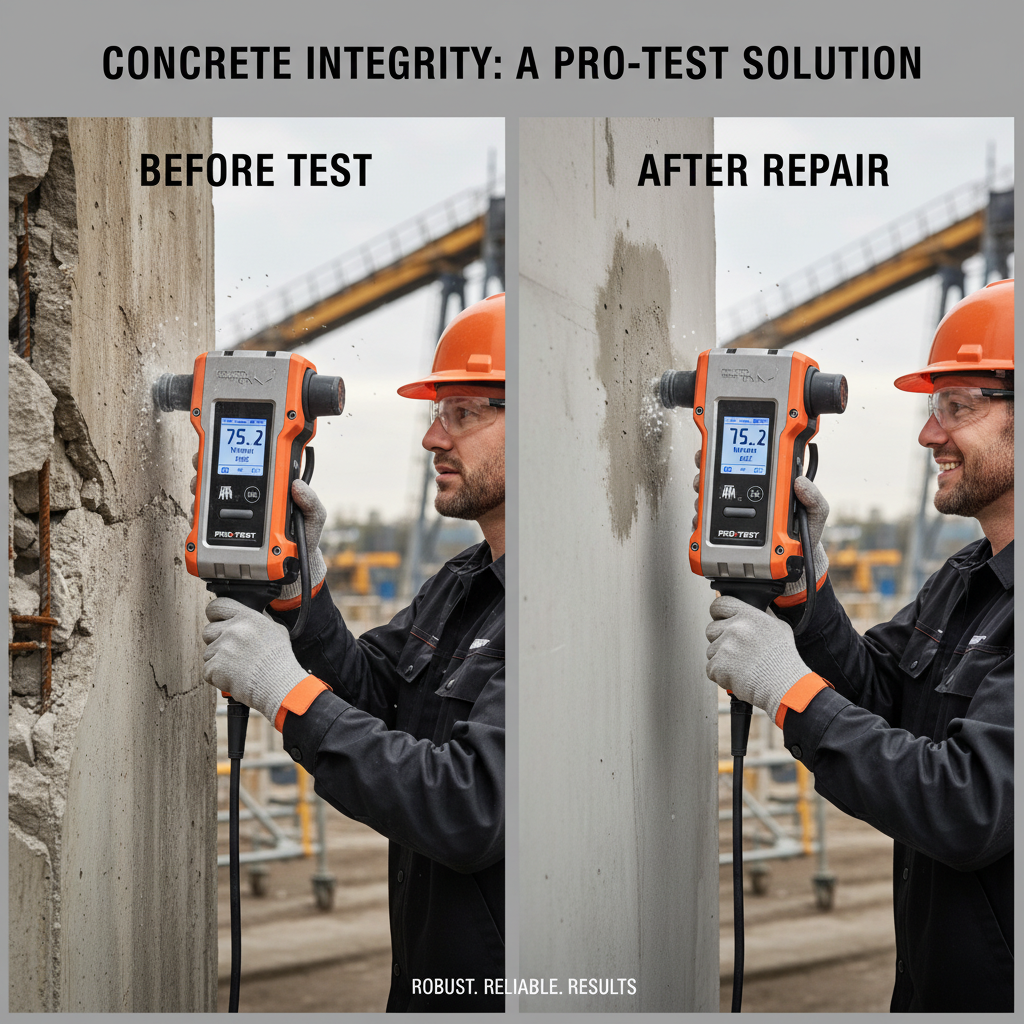
Concrete test hammers work on the principle of rebound. A known energy is applied to the concrete surface via a spring-loaded mass. The height to which the mass rebounds after impact is measured, and this value is correlated to the concrete’s compressive strength. Higher rebound values generally indicate higher compressive strength, while lower values suggest weaker concrete. Digital hammers enhance this process by providing a digital display for readings, data logging capabilities, and statistical analysis. This eliminates subjective readings and provides more reliable results. The accuracy of the test depends on factors like concrete surface smoothness, moisture content, and hammer calibration.
Key Benefits: Digital display for accurate readings, data logging for comprehensive analysis, statistical calculations (mean, standard deviation), and increased efficiency compared to manual hammers.
Applications of a Digital Concrete Test Hammer
Digital concrete test hammers find widespread application in various construction and civil engineering projects. These include assessing the quality of concrete in bridges, buildings, pavements, and dams. They are used for routine quality control during concrete pouring, identifying areas of weak concrete needing repair, and monitoring the strength development of concrete over time. Furthermore, they are valuable in evaluating the effectiveness of concrete strengthening methods and determining the need for structural repairs or renovations. The portability and ease of use make them ideal for on-site testing.
Common Applications:
• Quality control of newly poured concrete
• Assessing the strength of existing concrete structures
• Identifying areas of weak or deteriorated concrete
• Monitoring concrete strength development over time
Digital Concrete Test Hammer vs. Traditional Schmidt Hammer
While traditional Schmidt hammers have been used for decades, digital concrete test hammers offer significant advantages. Traditional hammers rely on a spring scale and manual reading, which can be prone to errors and subjectivity. Digital hammers eliminate these issues with their digital displays, data logging, and statistical analysis features. They provide more precise and repeatable results, leading to more reliable assessments of concrete strength. The ability to store and analyze data also simplifies reporting and documentation.
Key Features to Look for in a Digital Concrete Test Hammer
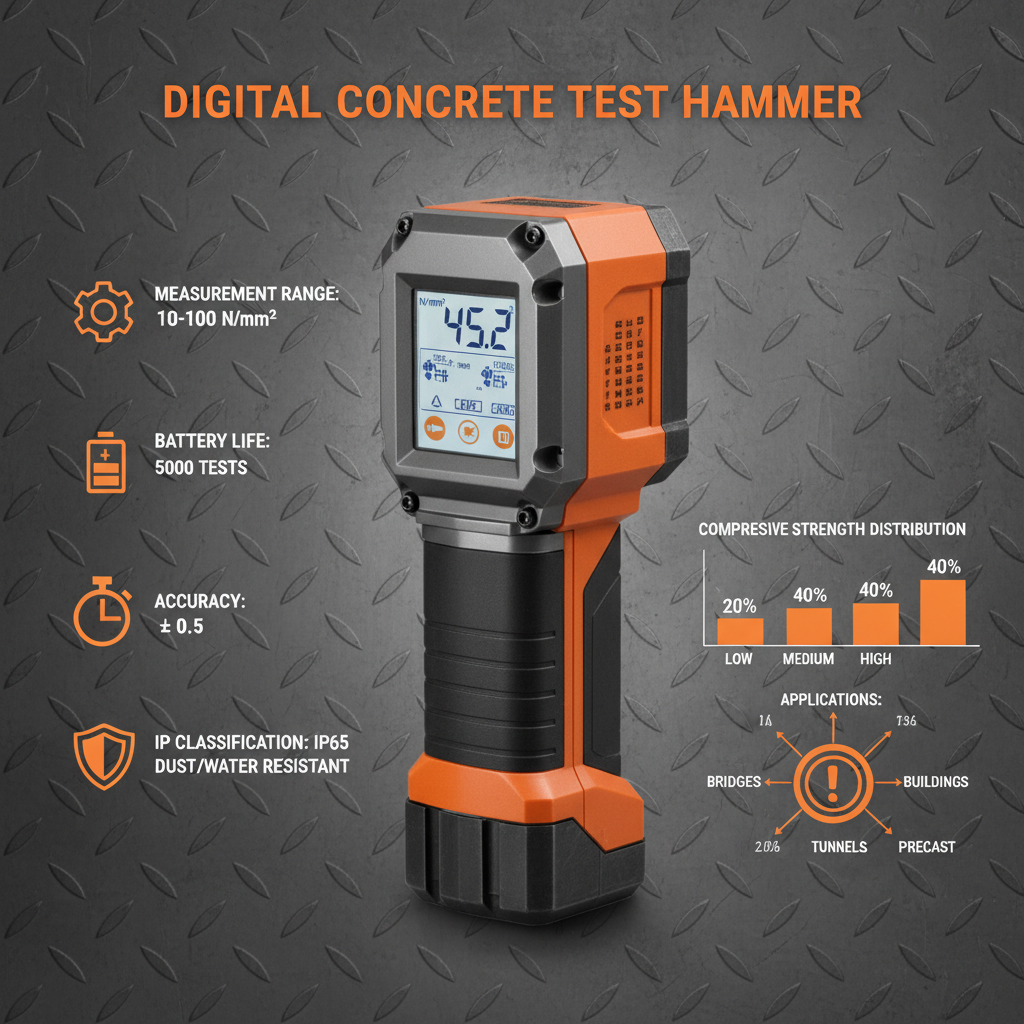
When selecting a digital concrete test hammer, consider features like impact energy, display type, data storage capacity, and connectivity options. Higher impact energy is suitable for testing stronger concrete. A clear, backlit digital display ensures easy readability in various lighting conditions. Ample data storage allows for extensive testing and analysis. Bluetooth or USB connectivity facilitates data transfer to computers for reporting and archiving. Calibration certificates are essential to ensure accuracy and traceability. Choosing a reputable manufacturer is also vital for quality and reliability.
Choosing the Right Model from CZLabInstrument
CZLabInstrument offers a comprehensive range of digital concrete test hammers designed to meet diverse testing needs. Our hammers feature high precision, user-friendly interfaces, and robust construction. We provide detailed specifications and calibration certificates for all our instruments, ensuring accurate and reliable results. Whether you require a basic model for routine quality control or an advanced hammer with extensive data logging and analysis capabilities, CZLabInstrument has the perfect solution. Browse our selection today and find the ideal concrete test hammer for your projects.
Conclusion: Investing in Accurate Concrete Testing
Investing in a digital concrete test hammer from CZLabInstrument is a smart decision for any construction professional. It ensures accurate assessments of concrete strength, improves quality control, and enhances safety. By utilizing this technology, you can minimize risks, reduce costs, and build durable, reliable structures. Don't compromise on the integrity of your projects – choose a CZLabInstrument digital concrete test hammer.
Frequently Asked Questions (FAQs)
How often should a concrete test hammer be calibrated?
Calibration is crucial for maintaining the accuracy of your concrete test hammer. It's generally recommended to calibrate the hammer annually, or more frequently if it's used heavily or subjected to rough handling. CZLabInstrument offers calibration services to ensure your hammer meets industry standards. Calibration involves comparing the hammer’s readings against known standards and making adjustments as necessary to ensure accuracy. Regular calibration ensures reliable and consistent results, minimizing the risk of errors in concrete strength assessments.
What factors can affect the accuracy of concrete test hammer readings?
Several factors can influence the accuracy of readings. These include the concrete surface condition (smoothness is ideal), the moisture content of the concrete (excessive moisture can affect results), the angle of impact (ensure a 90-degree angle), and the presence of any surface coatings or contaminants. It's also essential to use the correct impact energy setting for the type of concrete being tested. Following the manufacturer's guidelines and performing regular calibration will help minimize errors and ensure reliable results.
Can a concrete test hammer be used on all types of concrete?
While concrete test hammers are versatile, they may not be suitable for all types of concrete. Lightweight concrete, concrete with high aggregate content, or concrete with a rough or uneven surface may produce inaccurate readings. It's essential to consult the hammer's specifications and guidelines to determine its suitability for the specific concrete being tested. For unusual concrete types, alternative testing methods may be necessary. The CZLabInstrument team can provide guidance on selecting the appropriate testing method.
How do I interpret the readings from a digital concrete test hammer?
Digital concrete test hammers typically display the rebound number. This number is then correlated to the concrete's compressive strength using a calibration curve or chart. These curves are often provided with the hammer or can be generated based on core samples taken from the concrete being tested. Higher rebound numbers generally indicate higher compressive strength. It's important to consider multiple readings and calculate the average to obtain a more representative result. Statistical analysis features on digital hammers can help you assess the consistency of the readings and identify potential outliers.


