
Comprehensive Guide to Electric Muffle Furnaces Applications and Selection
Understanding Electric Muffle Furnaces: A Comprehensive Guide
Electric muffle furnaces are essential pieces of equipment in a wide range of industries and laboratories. From materials science to heat treatment and analytical chemistry, these furnaces provide controlled high-temperature environments for various processes. This article will provide an in-depth look at electric muffle furnaces, their applications, key features, and considerations for selecting the right furnace for your specific needs. Understanding their functionality and benefits is critical for optimizing processes and achieving accurate results.
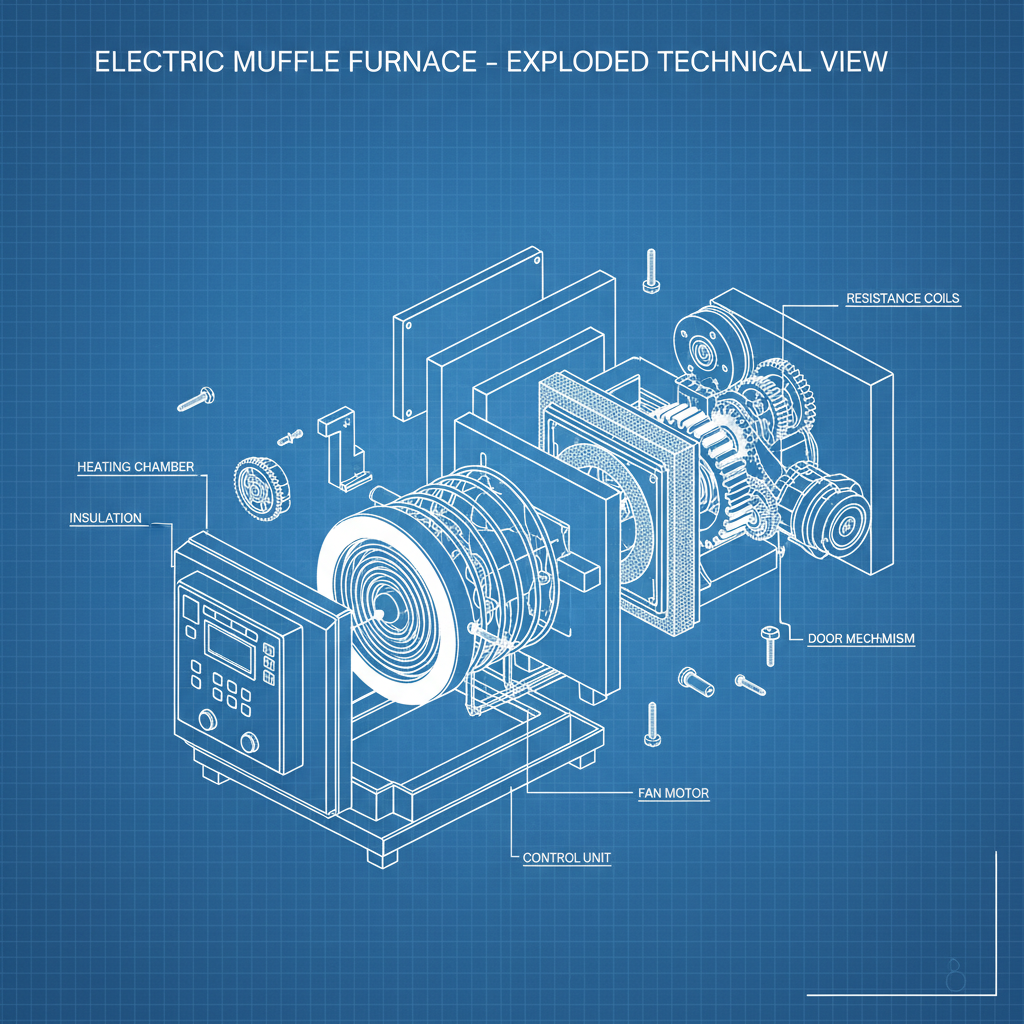
What is an Electric Muffle Furnace?
An electric muffle furnace is a high-temperature heating device used in various applications requiring precise temperature control in a contained environment. The “muffle” aspect refers to the furnace's construction – typically, it’s enclosed in a heat-resistant casing that prevents heat loss and protects the user. These furnaces utilize electrical resistance heating elements to generate temperatures up to 1700°C or even higher, making them suitable for processes like calcination, ashing, sintering, and heat treatment. They are favored for their ease of use, precision, and relatively clean operation compared to gas-fired alternatives.
Key Benefits: Precise temperature control, consistent heating, safe operation, and versatility for numerous applications.
Common Applications of Electric Muffle Furnaces
The versatility of electric muffle furnaces makes them indispensable in numerous fields. In materials science, they are crucial for sintering ceramics and studying material properties at high temperatures. Analytical laboratories utilize them for ashing samples to determine their inorganic composition. The pharmaceutical industry employs them for quality control and research, while the automotive and aerospace industries rely on them for heat treatment of metal components. Furthermore, they find applications in educational settings for demonstrating thermal properties and conducting experiments.
Common Industries Utilizing Muffle Furnaces:
• Materials Science & Engineering
• Analytical Chemistry
• Pharmaceutical Research
• Automotive & Aerospace
• Educational Institutions
Key Features to Consider When Choosing an Electric Muffle Furnace
Selecting the optimal electric muffle furnace requires careful consideration of several factors. Maximum temperature is paramount, as it dictates the types of processes you can perform. Chamber size is equally important, determining the quantity and dimensions of samples that can be processed simultaneously. Temperature control precision and uniformity are critical for achieving accurate and reproducible results. Also, consider the furnace’s insulation material, atmosphere control options (e.g., inert gas purging), and safety features. Investing in a well-equipped and reliable furnace will ensure efficient operation and long-term performance.
Electric Muffle Furnace: Considerations for Safety and Maintenance
Safety is paramount when operating an electric muffle furnace. Always wear appropriate personal protective equipment (PPE), including heat-resistant gloves and eye protection. Ensure adequate ventilation to prevent the buildup of fumes or gases. Regular maintenance is vital for extending the furnace’s lifespan and maintaining its performance. This includes cleaning the chamber after each use, inspecting heating elements for damage, and verifying the accuracy of temperature controllers. Following the manufacturer’s recommendations for maintenance and operation is crucial.
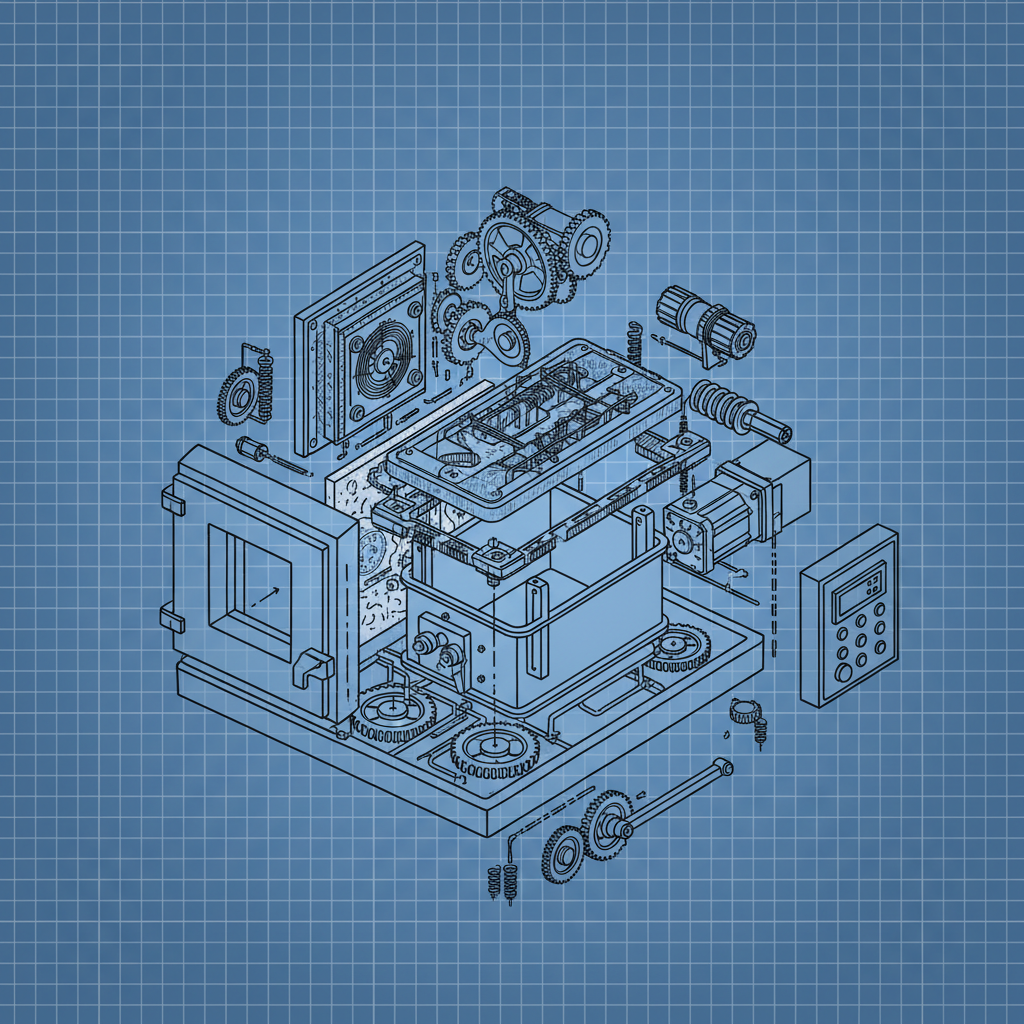
Selecting the Right Electric Muffle Furnace from CZ Lab Instrument
At CZ Lab Instrument, we offer a comprehensive range of high-quality electric muffle furnaces designed to meet diverse research and industrial needs. Our furnaces feature precise temperature control, robust construction, and advanced safety features. We provide detailed product specifications and expert support to help you select the ideal furnace for your application. We are committed to providing reliable and innovative laboratory equipment to support your scientific endeavors. Explore our selection today!
Conclusion: Investing in a Quality Muffle Furnace
Choosing the right electric muffle furnace is a critical investment for any laboratory or industrial operation. By considering factors like maximum temperature, chamber size, and safety features, you can ensure efficient, accurate, and reliable results. CZ Lab Instrument provides a range of high-quality furnaces and expert support to help you make the best decision for your specific needs.
Frequently Asked Questions (FAQs)
What is the typical temperature range of electric muffle furnaces?
Most electric muffle furnaces offer a temperature range from 50°C to 1700°C, although some specialized models can reach even higher temperatures. The exact range depends on the furnace’s design, heating elements, and insulation materials. Selecting a furnace with the appropriate temperature range for your application is crucial. For example, if you’re performing ashing, a lower temperature range might suffice, whereas sintering often requires reaching the furnace’s maximum temperature capacity.
How does atmosphere control affect muffle furnace performance?
Atmosphere control is critical for preventing oxidation, unwanted reactions, or altering the chemical composition of samples during high-temperature processes. Introducing an inert gas, such as argon or nitrogen, creates a protective environment within the furnace chamber. This is particularly important when working with sensitive materials that are prone to oxidation or require a specific chemical environment for optimal results.
What type of insulation is used in electric muffle furnaces?
Electric muffle furnaces typically use ceramic fiber insulation to minimize heat loss and maintain stable temperatures. Ceramic fiber provides excellent thermal insulation, even at extremely high temperatures. The quality and thickness of the insulation significantly impact the furnace’s energy efficiency and temperature uniformity. Different types of ceramic fiber are available, offering varying levels of performance and cost.
What are the key safety features to look for in a muffle furnace?
Essential safety features include over-temperature protection, which automatically shuts off the furnace if the set temperature is exceeded. A door safety switch prevents operation when the door is open, minimizing heat exposure. Furthermore, consider features like double-shell construction for enhanced thermal insulation and protection from external burns. Ensure the furnace complies with relevant safety standards and regulations.


