
Essential Guide to Selecting the Right Furnace for Laboratory Applications
Understanding the Importance of a Furnace for Laboratory Applications
A furnace for laboratory use is a critical piece of equipment in a wide range of scientific disciplines. From materials science and chemistry to pharmaceuticals and quality control, these specialized ovens provide the controlled high-temperature environments needed for accurate and reliable experimentation. Selecting the right laboratory furnace depends on specific application requirements, temperature needs, and the types of materials being processed. This article will explore the diverse applications, key features, types, and considerations for choosing a laboratory furnace, ultimately helping you find the optimal solution for your research needs. Investing in a quality furnace enhances research outcomes and maintains laboratory safety.
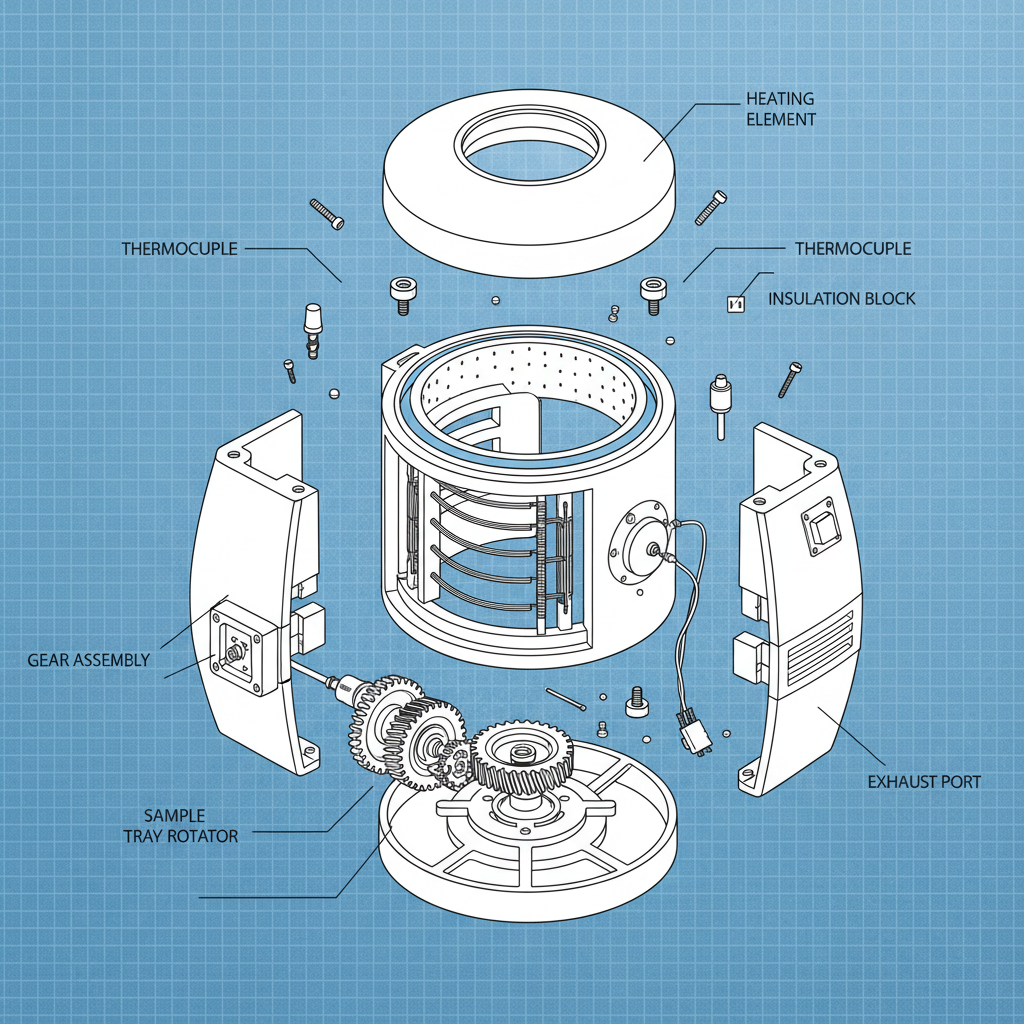
Applications of a Furnace for Laboratory Research
Laboratory furnaces are incredibly versatile tools employed across numerous scientific fields. In materials science, they are essential for processes like sintering, annealing, and heat treatment to modify the properties of materials. Chemical laboratories utilize them for gravimetric analysis, ashing organic materials, and conducting high-temperature reactions. Pharmaceutical companies rely on furnaces for processes like drying, calcination, and impurity determination. Quality control labs also use furnaces for accurately determining the composition of various substances. The precision and control offered by these furnaces are paramount for ensuring the validity and reproducibility of experimental results. Explore our range of furnaces designed for diverse laboratory applications.
Key Applications: Sintering, Annealing, Heat Treatment, Gravimetric Analysis, Ashing, Calcination, Impurity Determination, and materials research.
Key Features to Consider When Choosing a Furnace for Laboratory Use
When selecting a laboratory furnace, several key features should be carefully considered. Temperature range is paramount, ensuring the furnace can reach and maintain the necessary temperature for your experiments. Temperature uniformity is equally critical, ensuring consistent heating throughout the chamber. Programmability is beneficial for automating complex heating cycles. The chamber material should be compatible with the materials being processed, and insulation quality impacts energy efficiency and external surface temperature. Safety features, such as over-temperature protection and door interlocks, are essential for protecting personnel and preventing accidents. The size and configuration of the furnace are also important, accommodating the dimensions and quantity of samples.
Essential Features:
• Temperature Range
• Temperature Uniformity
• Programmability
• Chamber Material
• Safety Features
Types of Laboratory Furnaces: A Comparative Overview
Several types of laboratory furnaces are available, each suited for specific applications. Tube furnaces are ideal for processing materials in a controlled atmosphere. Muffle furnaces are commonly used for high-temperature applications involving volatile samples. Chamber furnaces offer larger capacities for accommodating bulk materials. Dental furnaces are specialized for dental materials processing. Ashing furnaces are designed for accurately determining the ash content of various substances. The choice of furnace type depends on the specific requirements of your experiments. Browse our catalog for a comprehensive selection of laboratory furnaces.
Safety Considerations When Operating a Laboratory Furnace
Operating a laboratory furnace requires strict adherence to safety protocols. Always wear appropriate personal protective equipment (PPE), including heat-resistant gloves, safety glasses, and a lab coat. Ensure the furnace is placed on a stable, non-combustible surface, with adequate ventilation. Never open the furnace door while it is hot. Be aware of the potential hazards associated with high temperatures and the materials being processed. Regularly inspect the furnace for any signs of damage or malfunction. Familiarize yourself with the emergency procedures in case of an accident. Contact our experts for guidance on safe furnace operation.
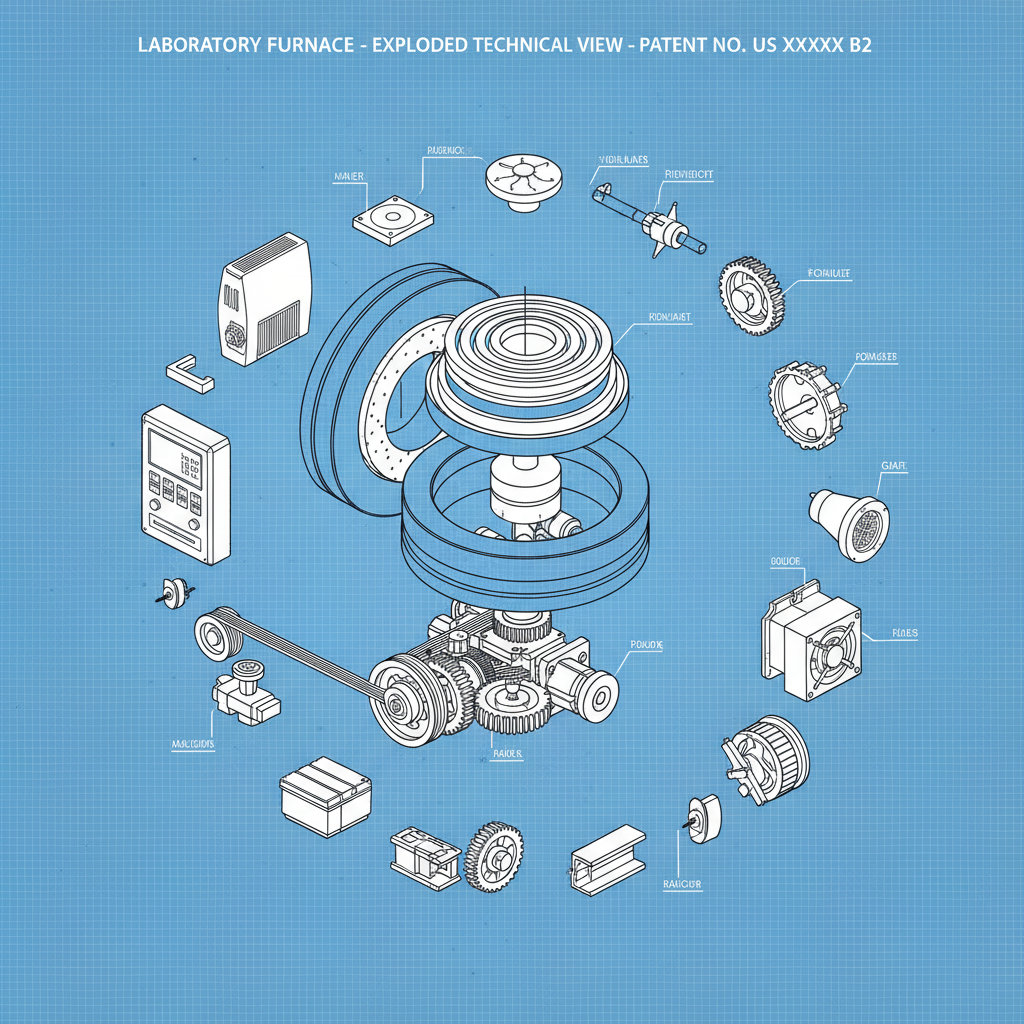
Choosing the Right Supplier for Your Laboratory Furnace
Selecting a reputable supplier is crucial for ensuring you receive a high-quality laboratory furnace with reliable performance and excellent customer support. Look for a supplier with a proven track record, offering a wide range of furnaces to meet diverse needs. Consider factors such as warranty coverage, availability of spare parts, and technical support services. CZ Lab Instrument offers a comprehensive selection of laboratory furnaces, backed by expert support and a commitment to customer satisfaction. We prioritize quality, reliability, and safety in all our products.
Conclusion: Investing in Quality for Reliable Results
A furnace for laboratory is an indispensable tool for a vast range of scientific applications. By carefully considering your specific needs, understanding the different types of furnaces available, and prioritizing safety, you can select the optimal solution for your research endeavors. Investing in a high-quality furnace from a reputable supplier ensures accurate, reliable results and contributes to the success of your laboratory operations.
Frequently Asked Questions (FAQs)
What is the typical lifespan of a laboratory furnace?
The lifespan of a laboratory furnace typically ranges from 10 to 20 years, depending on usage frequency, maintenance, and the quality of the components. Regular maintenance, such as cleaning the chamber and inspecting heating elements, can significantly extend its lifespan. Factors like temperature cycling and the type of materials processed can also impact longevity. Proper operation and adherence to manufacturer recommendations are crucial for maximizing the furnace's operational life.
What is the importance of temperature uniformity in a laboratory furnace?
Temperature uniformity is critical for achieving accurate and reproducible experimental results. Non-uniform heating can lead to variations in material properties and inaccurate data. High-quality furnaces are designed with advanced insulation and heating element configurations to minimize temperature gradients within the chamber. The level of uniformity required depends on the specific application; some experiments demand exceptionally tight temperature control across the entire sample volume.
Can I use a laboratory furnace to process flammable materials?
Processing flammable materials in a laboratory furnace is generally not recommended and can be extremely dangerous. The high temperatures involved pose a significant fire hazard. If processing materials that release flammable gases, it's essential to use a furnace equipped with a controlled atmosphere system and appropriate venting to safely remove those gases. Always consult with safety experts and adhere to strict safety protocols when handling flammable materials.
How often should I calibrate my laboratory furnace?
Calibration frequency depends on the furnace's usage and the criticality of temperature accuracy in your experiments. As a general guideline, furnaces should be calibrated annually, or more frequently if they are used extensively or for critical applications. Calibration ensures the furnace is delivering accurate temperatures and meets required standards. Using a certified calibration service is highly recommended.


