
Comprehensive Guide to Muffle Furnace 1000°C Operation and Applications
Understanding Muffle Furnace 1000°C: A Comprehensive Guide
A muffle furnace 1000°C is a crucial piece of equipment in numerous scientific and industrial applications. These furnaces provide a controlled, high-temperature environment, shielded from external contaminants, essential for processes like heat treatment, sintering, and materials testing. This article will delve into the features, applications, and key considerations when selecting a muffle furnace capable of reaching 1000°C, offering a thorough understanding for researchers, engineers, and purchasing professionals. Properly selecting and utilizing a muffle furnace is paramount for achieving accurate and reliable results.
What is a Muffle Furnace and How Does it Work?
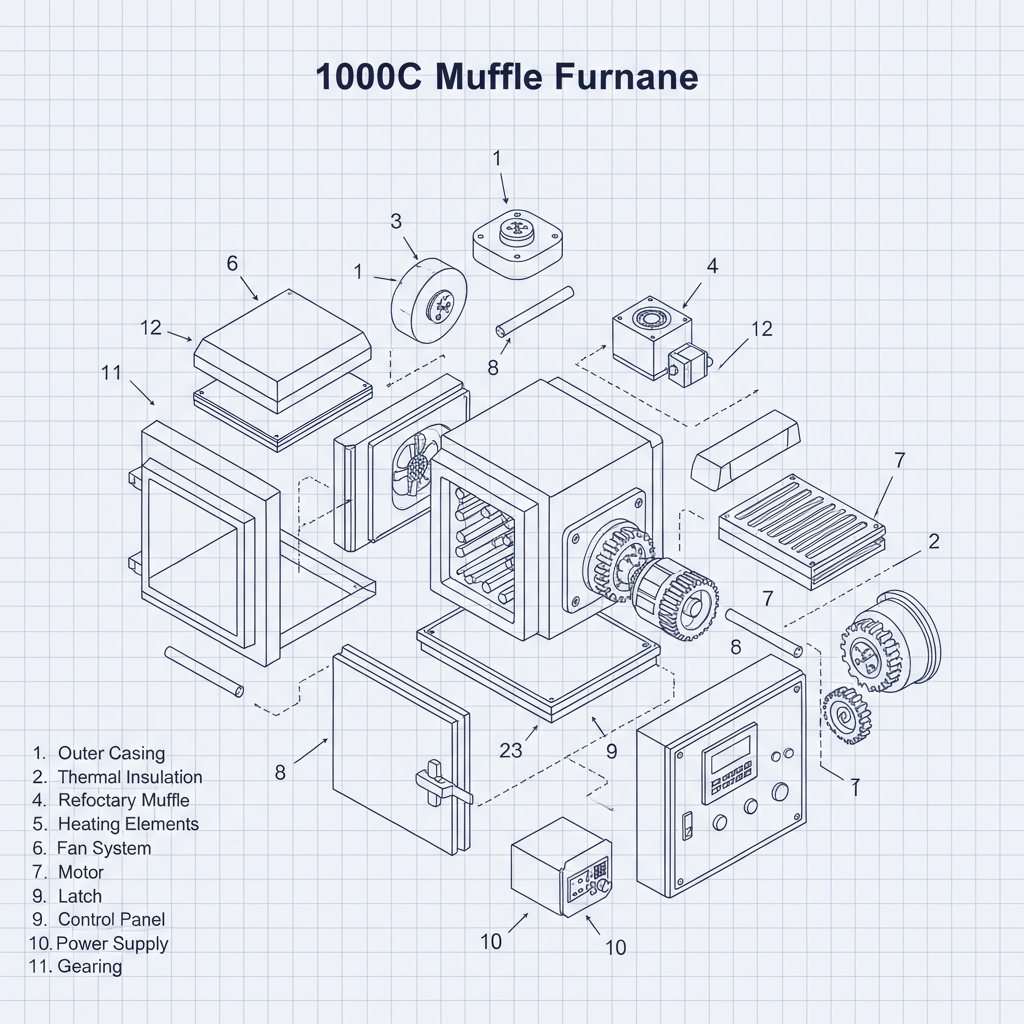
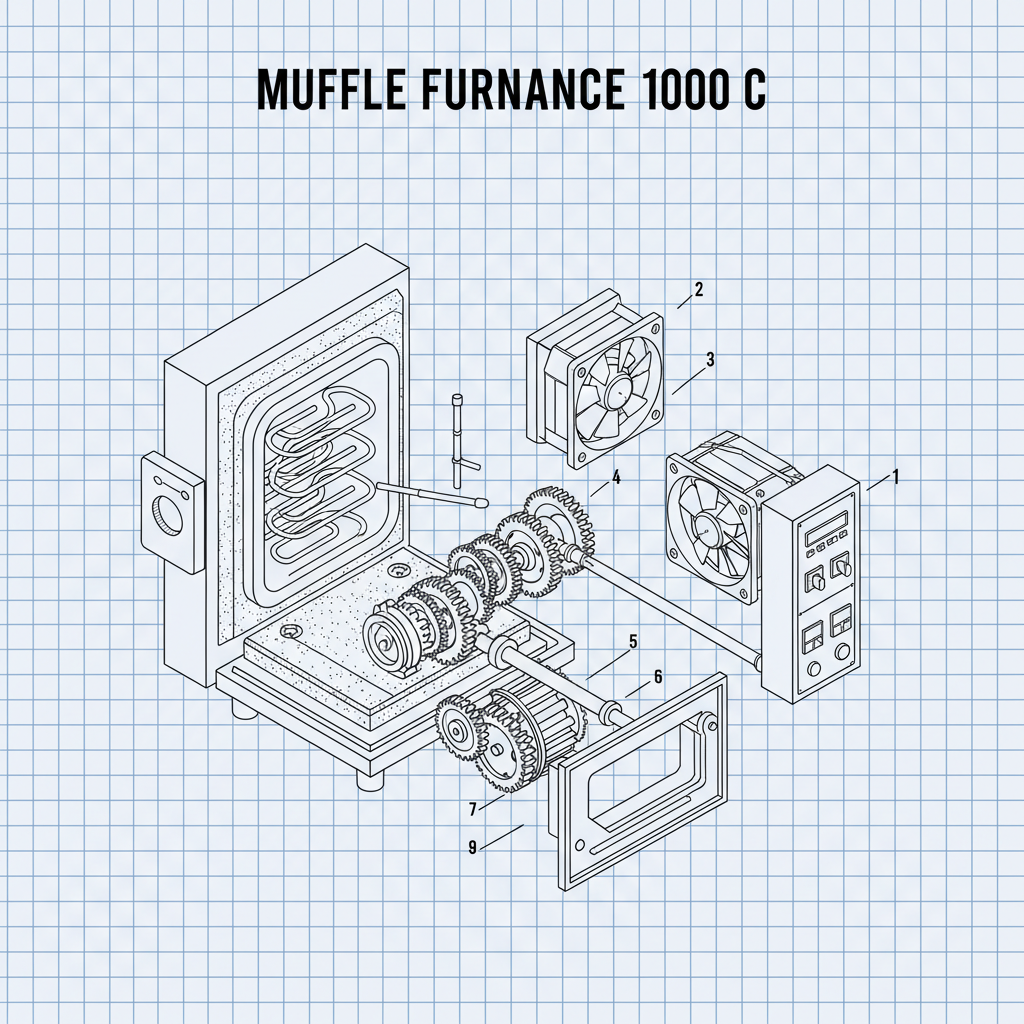
A muffle furnace gets its name from the “muffle” – a protective casing that surrounds the heating chamber. This muffle is typically made of ceramic materials, insulating the sample from direct contact with the heating elements, and preventing contamination of the sample by combustion gases. The heating elements themselves are usually made of resistance wires (like Kanthal) embedded within the ceramic insulation. When electricity flows through these elements, they heat up, raising the temperature inside the chamber. The precise temperature control is achieved using sophisticated controllers and thermocouples, ensuring accurate and repeatable results. The lack of direct flame contact and controlled atmosphere are the hallmarks of a muffle furnace.
Key Features: Ceramic muffle, precise temperature control, resistance heating elements, and a controlled atmosphere.
Applications of a Muffle Furnace 1000°C
A muffle furnace capable of reaching 1000°C opens doors to a wide range of applications across diverse industries. These include: Materials Science research involving sintering of ceramics, heat treatment of metals to alter their mechanical properties, and creating composite materials. In the chemical industry, these furnaces are used for ashing analysis, determining the inorganic content of samples. Furthermore, they are vital in quality control labs for testing the thermal stability of materials and components. Educational institutions utilize them for teaching materials science principles and conducting student experiments. The versatility makes a 1000°C muffle furnace a valuable asset in numerous settings.
Key Applications:
• Sintering of ceramics
• Heat treatment of metals
• Ashing analysis
• Thermal stability testing
Muffle Furnace 1000°C: Key Specifications and Considerations
When choosing a muffle furnace 1000°C, several specifications need careful consideration. The chamber size dictates the maximum sample capacity. Temperature uniformity is critical, ensuring consistent heating across the entire sample. Programmable controllers offer precise control over heating rates, dwell times, and cooling profiles. The type of insulation significantly impacts energy efficiency and surface temperature. Atmosphere control (e.g., inert gas purging) might be necessary for certain applications. Finally, safety features like over-temperature protection and door interlocks are essential.
Comparing Muffle Furnace Types and Manufacturers
Different manufacturers offer various types of muffle furnaces, each with its strengths and weaknesses. Some specialize in high-volume production models, while others focus on custom-designed furnaces for specific research applications. Considerations include price, warranty, availability of spare parts, and technical support. CZ Lab Instrument, for instance, offers a range of reliable and competitively priced muffle furnaces, known for their precision and durability. Evaluating these factors is crucial when selecting a furnace that meets your specific needs and budget.
Safety Precautions When Operating a Muffle Furnace 1000°C
Operating a muffle furnace at 1000°C requires strict adherence to safety protocols. Always wear appropriate personal protective equipment (PPE), including heat-resistant gloves, safety glasses, and a lab coat. Ensure the furnace is placed in a well-ventilated area to prevent the buildup of fumes. Never touch the hot furnace or samples without proper protection. Allow the furnace to cool down completely before opening the door. Be aware of the potential for thermal shock when rapidly heating or cooling the furnace. Regularly inspect the furnace for any signs of damage or malfunction. Proper training and a thorough understanding of the operating manual are essential for safe and efficient operation.
Conclusion: Choosing the Right Muffle Furnace for Your Needs
Selecting the appropriate muffle furnace 1000°C involves careful consideration of your application, budget, and safety requirements. By understanding the key specifications, comparing different models, and adhering to proper safety protocols, you can ensure accurate, reliable, and safe operation for years to come.
Frequently Asked Questions (FAQs)
What materials can be safely heated in a muffle furnace?
Most inorganic materials, such as ceramics, metals, and oxides, can be safely heated in a muffle furnace. However, it's crucial to avoid heating organic materials directly, as they may decompose and release flammable or toxic gases. If organic materials are present, they should be thoroughly ashed out before heating to higher temperatures. Always check the material safety data sheet (MSDS) for any specific heating restrictions or hazards. Using a controlled atmosphere (e.g., inert gas) can also enhance safety and prevent unwanted reactions.
How often should the furnace be calibrated?
Calibration frequency depends on the criticality of your application and the furnace's usage. As a general guideline, a muffle furnace should be calibrated at least once a year, or more frequently if it's used for precision work or if you suspect temperature inaccuracies. Calibration involves comparing the furnace's indicated temperature to a traceable standard, ensuring accurate and reliable results. CZ Lab Instrument offers calibration services to maintain the accuracy of your furnace.
What is the benefit of a programmable controller?
A programmable controller allows you to create customized heating and cooling profiles, precisely controlling the temperature ramp-up rate, dwell time at specific temperatures, and cooling rate. This is essential for processes that require specific thermal cycles, such as heat treatment of metals or sintering of ceramics. Programmable controllers ensure repeatability and optimize results. They can also automate the entire process, reducing the need for manual monitoring.
Can a muffle furnace be used with different atmospheres?
Yes, many muffle furnaces can be used with different atmospheres, such as inert gases (argon, nitrogen) or vacuum. This is achieved by sealing the chamber and purging it with the desired gas. Using a controlled atmosphere is crucial for preventing oxidation, decarburization, or other unwanted reactions during high-temperature processing. However, ensure the furnace is specifically designed for use with different atmospheres and that appropriate safety measures are in place.


