
Comprehensive Guide to Heating Drying Oven Lab Equipment and Selection
Heating Drying Oven Lab: A Comprehensive Guide
A heating drying oven lab is an indispensable piece of equipment in a wide range of scientific and industrial applications. From materials science and pharmaceutical research to food processing and quality control, these ovens provide precise temperature control for drying, heating, and sterilization processes. Choosing the right oven is crucial for achieving accurate and reliable results. This article will explore the different types of heating drying ovens, key considerations when selecting one, and the benefits of investing in high-quality equipment from a trusted supplier like CZ Lab Instrument. Understanding the nuances of these ovens will ensure you choose the ideal solution for your specific needs.
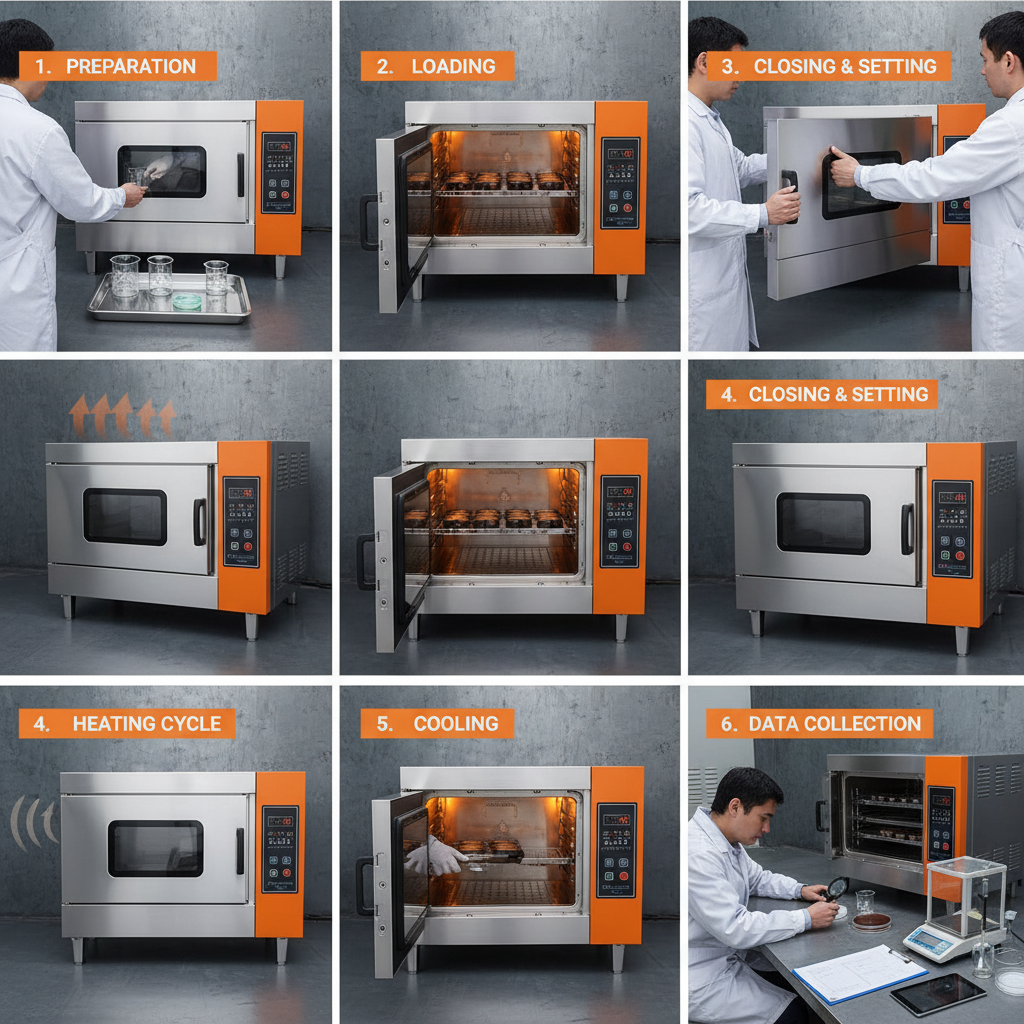
Types of Heating Drying Ovens
Heating drying ovens come in various configurations, each designed for specific applications. Common types include convection ovens, which utilize a fan to circulate heated air, ensuring uniform temperature distribution. Vacuum ovens are ideal for heat-sensitive materials as they reduce the boiling point of liquids, allowing for drying at lower temperatures. Digital ovens offer precise temperature control and programmability, while mechanical ovens provide basic heating functionality. Finally, inert gas ovens are used when a controlled atmosphere is required to prevent oxidation or other unwanted reactions. Selecting the appropriate type depends on the characteristics of the materials being processed and the desired outcome.
Key Highlights: Precise temperature control, uniform heating, and compatibility with a wide range of materials.
Key Considerations When Choosing a Heating Drying Oven Lab
Several factors should be considered when selecting a heating drying oven lab. Capacity is crucial; choose an oven with sufficient internal volume to accommodate your samples. Temperature range and accuracy are equally important, ensuring the oven can reach and maintain the desired temperature with precision. Consider the temperature uniformity within the chamber, especially for sensitive applications. Additionally, assess the oven's safety features, such as over-temperature protection and alarms. The materials used in the oven’s construction should be compatible with the substances being processed. Finally, look for user-friendly controls and a durable, reliable design.
Essential Features:
• Precise temperature control
• Uniform heating distribution
• Adequate capacity for samples
• Safety features (over-temperature protection)
Heating Drying Oven Lab Comparison: Convection vs. Vacuum
Understanding the differences between convection and vacuum ovens is crucial for making the right choice. Convection ovens are more versatile and cost-effective for general drying applications. However, vacuum ovens excel when dealing with heat-sensitive materials or samples that require rapid drying. The reduced pressure in a vacuum oven lowers the boiling point of liquids, allowing for faster evaporation at lower temperatures, minimizing the risk of thermal degradation.
Why Choose CZ Lab Instrument for Your Heating Drying Oven Lab Needs?
At CZ Lab Instrument, we are committed to providing high-quality, reliable heating drying ovens that meet the diverse needs of our customers. Our ovens are manufactured to exacting standards, ensuring precise temperature control, uniform heating, and long-lasting performance. We offer a wide range of models to choose from, and our expert team can help you select the perfect oven for your specific application. We also provide exceptional customer support and after-sales service. Our dedication to quality and customer satisfaction makes us a trusted partner for laboratories and industrial facilities worldwide.
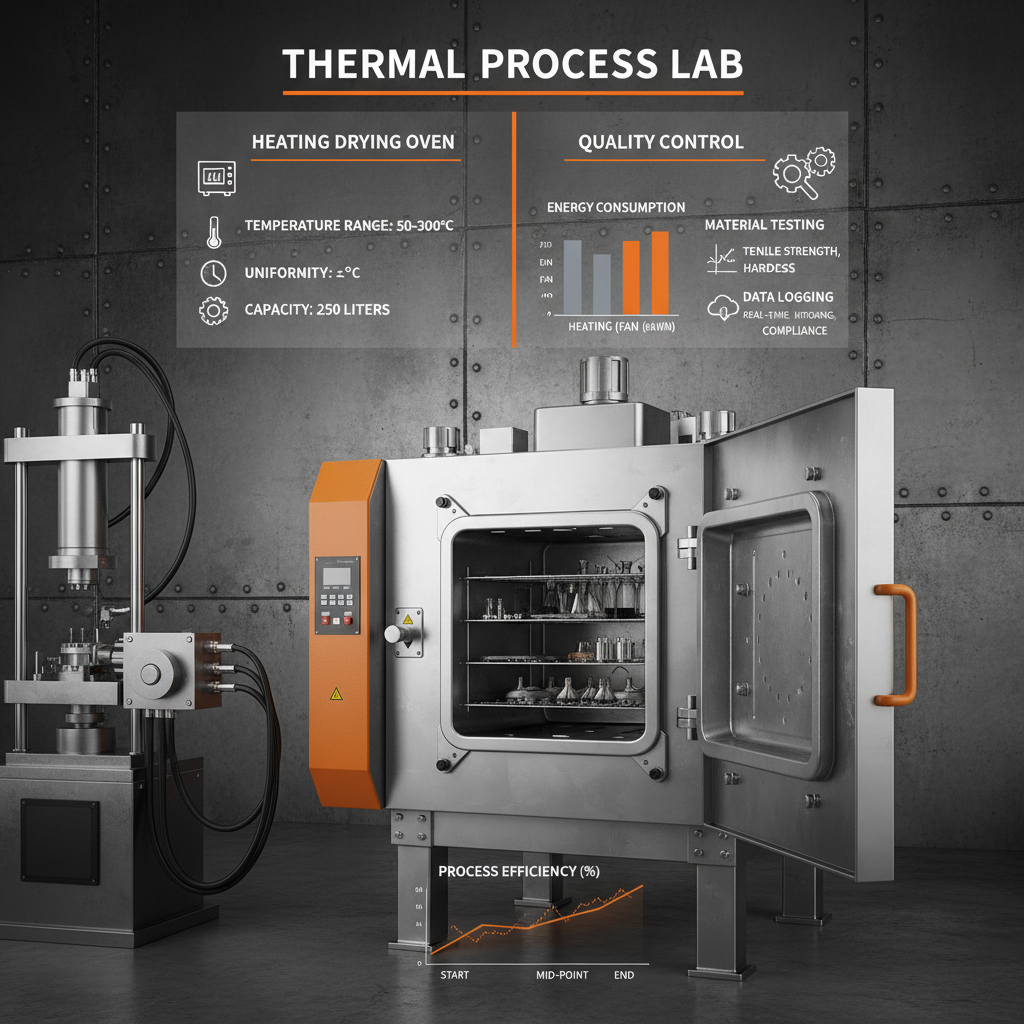
Product Specifications - CZ Lab Standard Oven Model
Here's a snapshot of our standard heating drying oven model:
Conclusion: Choosing the Right Heating Drying Oven Lab for Your Success
Investing in a high-quality heating drying oven lab is crucial for achieving accurate, reliable, and reproducible results in your research or industrial processes. CZ Lab Instrument provides a wide range of ovens to meet your specific needs, backed by exceptional customer support and a commitment to quality. Don't compromise on the integrity of your work – choose CZ Lab Instrument for a solution you can trust.
Frequently Asked Questions (FAQs)
What safety features should I look for in a heating drying oven?
Essential safety features include over-temperature protection, which automatically shuts off the oven if the temperature exceeds a pre-set limit, preventing overheating and potential hazards. An audible alarm is also crucial for alerting you to any malfunctions or temperature deviations. Look for ovens with robust construction and properly grounded electrical systems. Additionally, consider features like door locks to prevent accidental opening during operation. Always refer to the manufacturer’s safety guidelines and ensure proper ventilation in the laboratory or workspace.
How often should I calibrate my heating drying oven?
Calibration frequency depends on the oven’s usage and the criticality of temperature accuracy in your applications. Generally, annual calibration is recommended for most laboratories. However, if the oven is used frequently or for sensitive applications, more frequent calibration (e.g., bi-annually or quarterly) may be necessary. Calibration should be performed by a qualified technician using certified standards. Proper calibration ensures the oven maintains the specified temperature accuracy, leading to reliable and reproducible results.
What materials can be safely dried in a heating drying oven?
Most non-flammable materials can be safely dried in a heating drying oven, including glass, metal, and certain ceramics. However, flammable or volatile substances should never be dried in a standard oven without appropriate safety precautions, such as using a vacuum oven or a fume hood. Always check the material's safety data sheet (SDS) to ensure compatibility with the oven's operating temperatures and conditions. The oven’s construction material should also be compatible with the sample to avoid contamination.
What is the benefit of a digital temperature controller?
A digital temperature controller offers precise and stable temperature regulation compared to mechanical controllers. It allows you to set the desired temperature accurately and maintain it consistently throughout the drying process. Many digital controllers also offer programmable profiles, enabling you to create custom heating and cooling cycles for specific applications. This level of control is essential for achieving optimal drying results and minimizing sample degradation. The digital display provides clear and easy-to-read temperature monitoring.


