
Comprehensive Guide to Laboratory Drying Oven Selection and Applications
Laboratory Drying Oven: A Comprehensive Guide
A laboratory drying oven is an essential piece of equipment in numerous scientific and industrial settings. These ovens provide controlled temperature environments for safely and efficiently removing moisture or other volatile substances from samples. From research facilities to quality control labs, a reliable drying oven is crucial for accurate and reproducible results. This article will delve into the principles, types, applications, and key considerations when selecting a laboratory drying oven. We’ll explore why choosing the right oven from a reputable supplier like CZ Lab Instrument is vital for your laboratory needs.
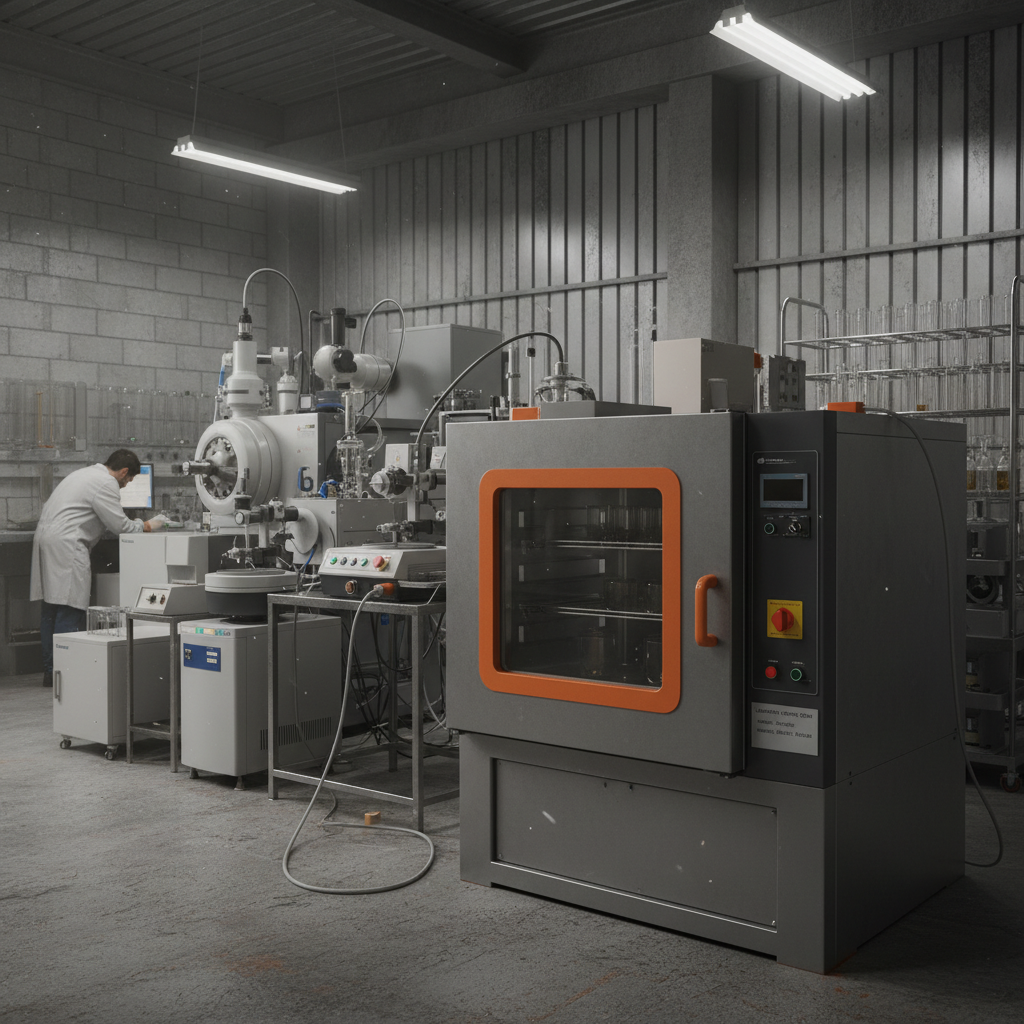
Understanding the Principles of Laboratory Drying Ovens
Laboratory drying ovens operate on the principle of heat transfer. Heat is applied to the sample, causing the volatile components to evaporate. Effective drying requires careful control of temperature, air circulation, and ventilation. The temperature must be high enough to facilitate evaporation but low enough to prevent degradation of the sample. Proper air circulation ensures uniform heating and removal of the evaporated substances. Ventilation systems remove the moist air from the chamber, preventing saturation and accelerating the drying process. Different types of heating elements, such as resistive heating coils, are used to generate the necessary heat. CZ Lab Instrument offers ovens with precision temperature control to ensure optimal drying conditions for various applications.
Key Benefits: Precise temperature control, uniform heating, and efficient moisture removal are vital for accurate results. A well-maintained drying oven from a reputable supplier contributes to the reliability of your laboratory processes.
Types of Laboratory Drying Ovens
Several types of laboratory drying ovens cater to specific needs. Convection Ovens utilize natural air convection for heating, making them suitable for less demanding applications. Forced Air Ovens, also known as mechanical convection ovens, employ a fan to circulate air, ensuring faster and more uniform heating. Vacuum Ovens reduce the ambient pressure, lowering the boiling point of liquids and enabling drying at lower temperatures, crucial for heat-sensitive samples. Inert Gas Ovens provide a controlled atmosphere with inert gases like nitrogen or argon, preventing oxidation of samples. Understanding these differences is key to choosing the right oven. CZ Lab Instrument offers a broad range of oven types to suit diverse laboratory requirements.
Drying Oven Types:
• Convection Ovens: Simple and cost-effective.
• Forced Air Ovens: Faster and more uniform heating.
• Vacuum Ovens: Low-temperature drying for sensitive samples.
• Inert Gas Ovens: Oxidation prevention.
Laboratory Drying Oven Applications
The applications of laboratory drying ovens are remarkably diverse. They are routinely used in pharmaceuticals for drying drug formulations, in food science for moisture content analysis, in environmental monitoring for sample preparation, and in materials science for removing solvents from coatings and polymers. They’re also critical in chemical analysis for drying precipitates before weighing, and in forensic science for evidence processing. The ability to accurately control temperature and create a stable drying environment makes them indispensable across numerous scientific disciplines.
Key Considerations When Selecting a Laboratory Drying Oven
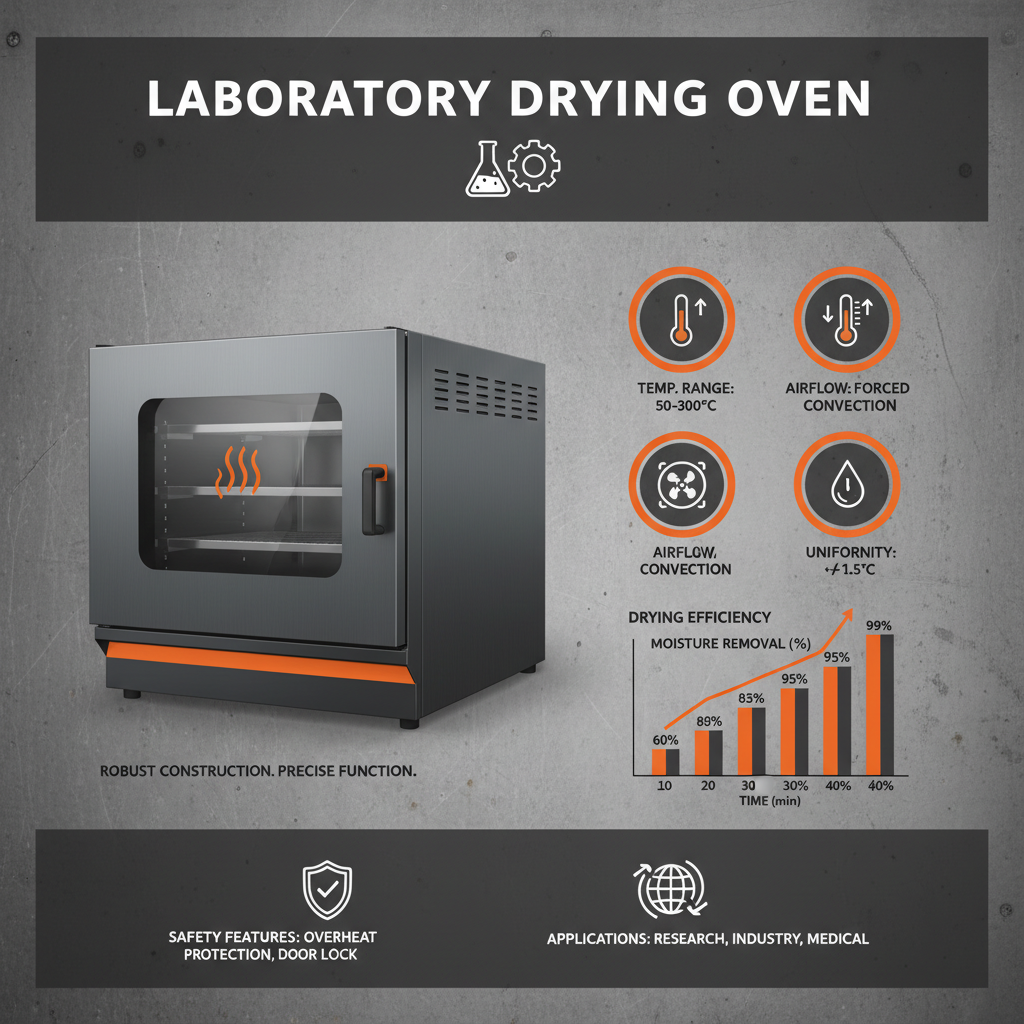
Choosing the right laboratory drying oven requires careful consideration of several factors. Temperature Range is paramount; ensure the oven can reach the temperatures required for your applications. Chamber Volume should be sufficient to accommodate your samples. Temperature Uniformity is critical for accurate results. Programmability allows for automated drying cycles. Safety Features, such as over-temperature protection and door interlocks, are essential. Finally, consider the build quality and reputation of the manufacturer. CZ Lab Instrument provides detailed specifications and expert guidance to help you select the optimal oven for your needs.
Choosing CZ Lab Instrument for Your Drying Oven Needs
At CZ Lab Instrument, we offer a comprehensive selection of high-quality laboratory drying ovens designed to meet the demands of modern research and industrial applications. We are committed to providing reliable, precise, and safe equipment, backed by exceptional customer support. Our ovens feature advanced temperature control systems, durable construction, and user-friendly interfaces. We understand that every laboratory has unique needs, and we strive to offer tailored solutions to ensure your success.
Conclusion: Invest in Precision and Reliability
Selecting the right laboratory drying oven is a critical investment for any laboratory. A quality oven ensures accurate results, enhances efficiency, and promotes safety. CZ Lab Instrument provides the expertise and equipment you need to achieve optimal drying performance. Choose reliability, choose precision, choose CZ Lab Instrument.
Frequently Asked Questions (FAQs)
What temperature range should I look for in a drying oven?
The appropriate temperature range depends entirely on the materials you intend to dry. For heat-sensitive materials like biological samples or certain polymers, a lower temperature range (e.g., 30°C to 70°C) is necessary to prevent degradation. For more robust materials, a higher temperature range (e.g., up to 250°C or even higher) may be required for efficient drying. It’s crucial to determine the optimal temperature for your specific applications and select an oven that can accurately maintain that temperature. Consider the boiling point of the solvent you are trying to evaporate when choosing your temperature range.
How important is temperature uniformity?
Temperature uniformity is extremely important, especially when drying samples that require consistent results. Poor uniformity can lead to uneven drying, where some parts of the sample dry faster than others, potentially affecting the accuracy of your analysis. A high-quality drying oven with forced air convection and precise temperature control will ensure a uniform temperature distribution throughout the chamber. Look for ovens with specifications detailing temperature variations within the chamber.
What safety features should I prioritize?
Essential safety features include over-temperature protection, which automatically shuts off the oven if the temperature exceeds a set limit, preventing damage to samples and potential hazards. A door interlock prevents the oven from operating when the door is open, minimizing heat loss and ensuring user safety. Audible alarms can also alert you to any temperature deviations or malfunctions. CZ Lab Instrument ovens are designed with these critical safety features in mind.
How do I maintain my laboratory drying oven?
Regular maintenance is crucial for ensuring the longevity and performance of your drying oven. This includes cleaning the chamber regularly to remove any residue or contaminants, checking the door seal for proper closure, and calibrating the temperature control system periodically. Avoid overloading the oven, as this can impede air circulation and affect drying uniformity. Refer to the manufacturer's manual for specific maintenance instructions. Consistent maintenance helps prevent malfunctions and ensures reliable operation.


