
Comprehensive Guide to Vacuum Drying Ovens and Their Applications
Understanding Vacuum Drying Ovens: A Comprehensive Guide
In scientific research, pharmaceutical production, and material science, maintaining sample integrity and achieving precise drying results are paramount. A vacuum drying oven provides a controlled environment for removing moisture and volatile substances from various materials. This article delves into the principles, applications, benefits, and key considerations when selecting a vacuum drying oven, offering a detailed guide for researchers and professionals. Understanding the nuances of vacuum drying is essential for obtaining reliable and reproducible results. We will explore how these ovens differ from conventional drying methods and how to choose the right model for your specific needs.
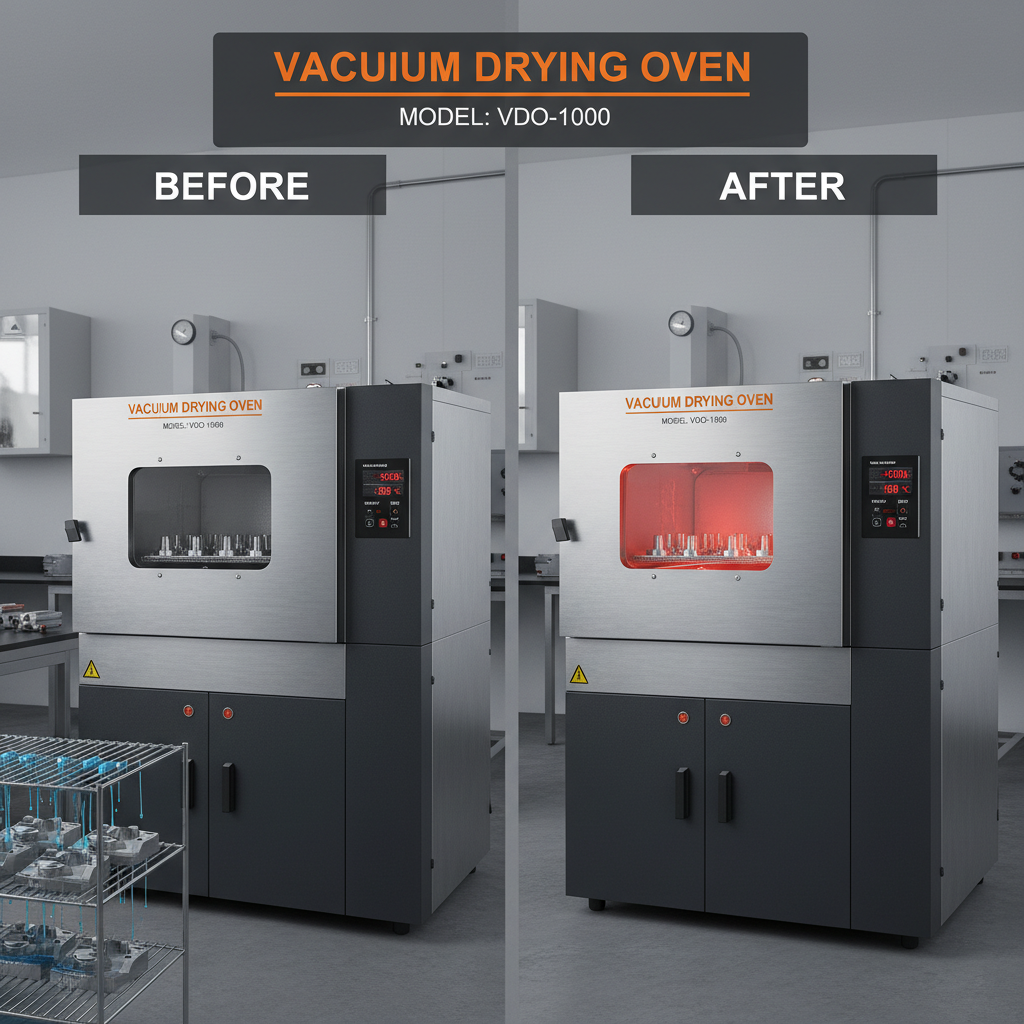
The Science Behind Vacuum Drying
Vacuum drying operates on a simple yet effective principle: reducing the surrounding pressure lowers the boiling point of liquids. This means that moisture and volatile compounds evaporate at lower temperatures than they would under normal atmospheric conditions. This is particularly crucial for heat-sensitive materials that could degrade or change composition with conventional drying methods. The process involves placing the sample inside a sealed chamber, creating a vacuum using a pump, and applying gentle heat. The reduced pressure facilitates rapid evaporation, while the controlled temperature prevents damage to the sample. This method is often preferred over air drying or oven drying, as it minimizes oxidation and preserves the sample's chemical properties.
Key Benefits: Reduced drying temperatures, preserved sample integrity, faster drying times, and minimized oxidation.
Applications of Vacuum Drying Ovens
Vacuum drying ovens find application across a diverse range of industries and disciplines. In pharmaceutical manufacturing, they are vital for drying APIs (Active Pharmaceutical Ingredients) and ensuring product stability. In materials science, they are used to prepare samples for analysis and to remove solvents from newly synthesized compounds. Food processing utilizes vacuum drying for preserving flavor and nutrients in sensitive ingredients. Furthermore, these ovens are indispensable in analytical chemistry for sample preparation prior to techniques like chromatography and spectroscopy. From drying delicate biological samples to preparing high-performance coatings, the versatility of a vacuum drying oven makes it an essential tool in many laboratories.
Common Applications:
• Pharmaceutical Drying
• Material Science Sample Preparation
• Food Processing & Preservation
• Analytical Chemistry Sample Drying
Vacuum Drying Oven vs. Conventional Drying Methods
Traditional drying methods, such as air drying and oven drying, can often compromise sample integrity due to high temperatures and exposure to oxygen. Air drying is slow and can lead to oxidation and contamination. Oven drying, while faster, risks thermal degradation of heat-sensitive materials. Vacuum drying addresses these limitations by reducing the temperature required for evaporation and minimizing exposure to oxygen. This results in faster drying times, improved sample preservation, and more accurate results. A vacuum drying oven offers a superior alternative when dealing with delicate or valuable samples.
Key Considerations When Choosing a Vacuum Drying Oven
Selecting the right vacuum drying oven requires careful consideration of several factors. Chamber volume is critical, ensuring it can accommodate your typical sample sizes. Temperature control accuracy and range are also essential, particularly for heat-sensitive materials. The type of vacuum pump (rotary vane, diaphragm, etc.) influences the ultimate vacuum level achievable. Features like programmable controllers, data logging, and inert gas purging capabilities can further enhance functionality and control. Ultimately, aligning the oven's specifications with your specific application needs is paramount. Explore the range of vacuum drying ovens at CZ Lab Instrument to find the ideal solution for your laboratory.
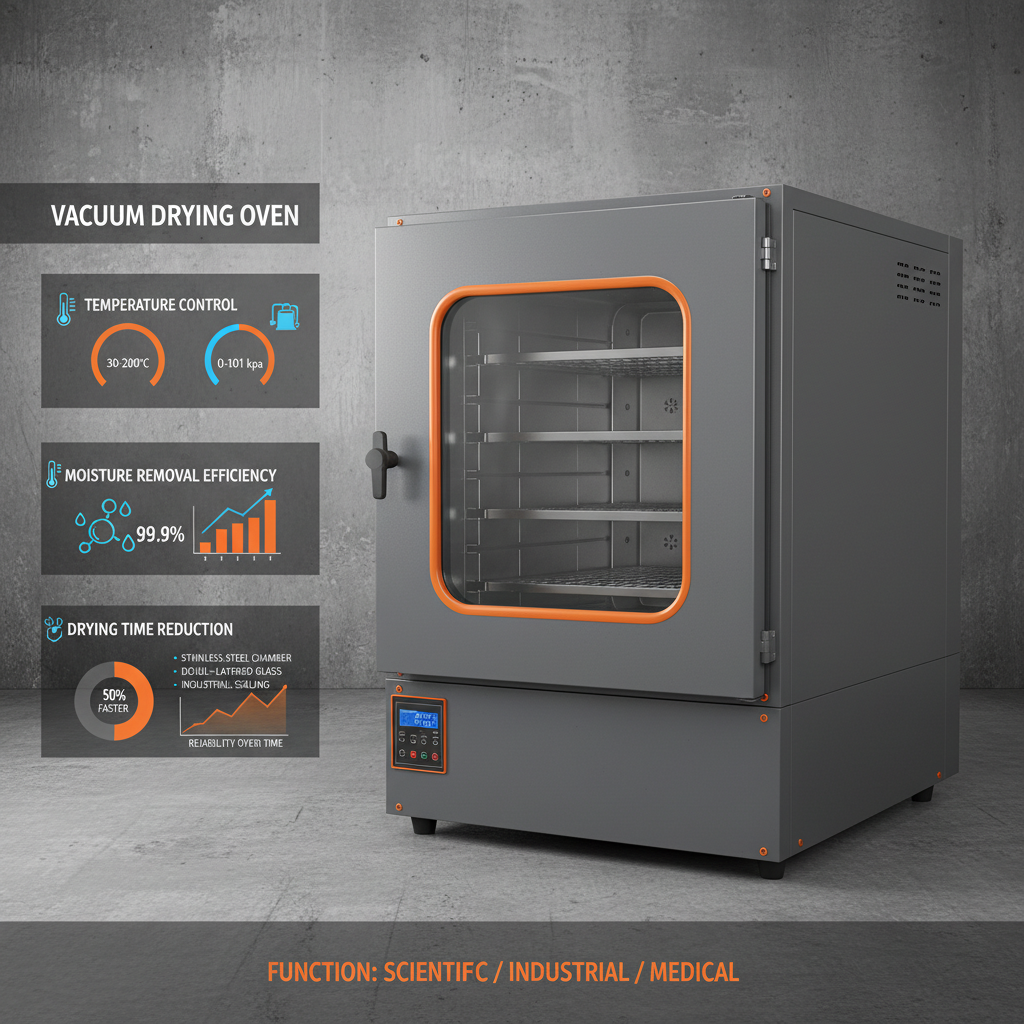
CZ Lab Instrument: Your Trusted Partner for Vacuum Drying Solutions
CZ Lab Instrument provides a comprehensive range of high-quality vacuum drying ovens designed to meet the demanding needs of modern laboratories. Our ovens feature precise temperature control, reliable vacuum performance, and user-friendly interfaces. We are committed to delivering innovative solutions and exceptional customer support. Whether you require a compact benchtop model or a large-capacity industrial oven, we have the perfect solution for your application.
Conclusion: Achieving Precision and Reliability with Vacuum Drying
Investing in a high-quality vacuum drying oven from CZ Lab Instrument ensures precise, reliable, and efficient drying results. By understanding the principles of vacuum drying and carefully considering your application needs, you can select the ideal oven to optimize your research and production processes. Contact us today to learn more about our products and find the perfect solution for your laboratory.
Frequently Asked Questions (FAQs)
What types of materials can be dried in a vacuum oven?
Vacuum ovens are versatile and can accommodate a wide range of materials, including heat-sensitive compounds, powders, granules, pastes, and liquids. They are commonly used for drying pharmaceuticals, chemicals, polymers, food products, and electronic components. The low-temperature operation minimizes the risk of degradation, making them suitable for even delicate substances. However, it's crucial to verify compatibility based on the specific material's properties and potential reactions under vacuum.
How does the vacuum level affect the drying process?
The vacuum level directly impacts the rate of evaporation. A higher vacuum (lower pressure) reduces the boiling point of liquids, allowing them to evaporate more readily and at lower temperatures. This results in faster drying times and improved sample preservation. However, extremely high vacuums may not always be necessary and could potentially cause issues with certain materials. Selecting the appropriate vacuum level is crucial for optimizing the drying process.
What is the role of inert gas purging in vacuum drying?
Inert gas purging, typically using nitrogen or argon, introduces a non-reactive atmosphere into the vacuum chamber. This is particularly important when drying materials that are sensitive to oxidation or degradation in the presence of air. The inert gas displaces oxygen, preventing unwanted chemical reactions and preserving the sample's integrity. This technique is commonly used in pharmaceutical and chemical applications where maintaining product purity is critical.
How often should I maintain and service my vacuum drying oven?
Regular maintenance is crucial for ensuring the optimal performance and longevity of your vacuum drying oven. This includes checking the vacuum pump oil level, cleaning the chamber and shelves, inspecting seals for leaks, and calibrating temperature sensors. The frequency of maintenance depends on usage and the specific oven model, but generally, a thorough inspection should be performed every 6-12 months. Refer to the manufacturer's manual for specific maintenance recommendations.


