
Comprehensive Guide to Selecting the Right Drying Oven for Your Application
Understanding and Choosing the Right Drying Oven
A drying oven is a crucial piece of equipment in various industries, from pharmaceuticals and food processing to materials science and electronics. Its ability to precisely control temperature and humidity makes it essential for processes like sterilization, moisture removal, and component curing. Selecting the right drying oven requires careful consideration of factors like capacity, temperature range, and control features. This article provides a comprehensive guide to understanding drying ovens, their applications, and key considerations for choosing the best model for your specific needs. Understanding these critical details can significantly improve the efficiency and reliability of your processes.
How Does a Drying Oven Work?
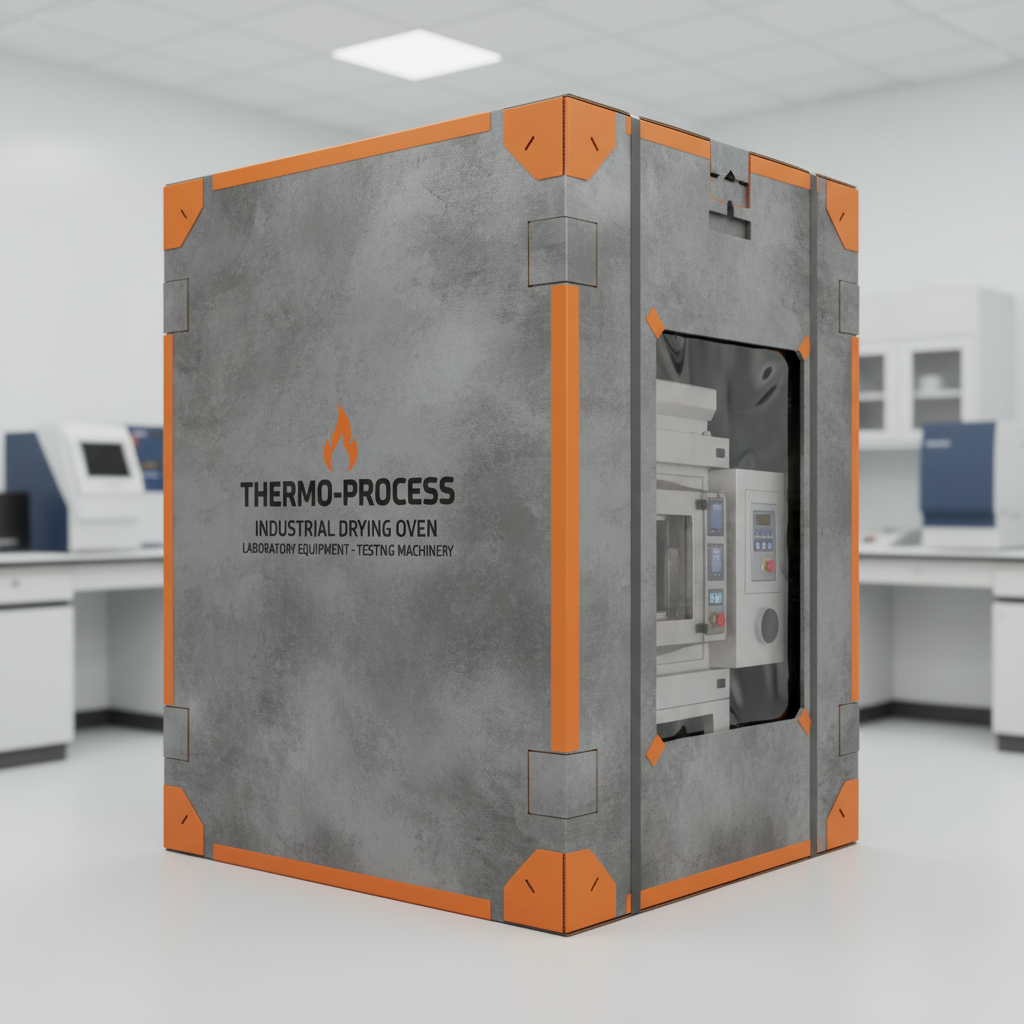
At its core, a drying oven operates by circulating heated air around the materials placed inside. The heat source is typically electric resistance heating elements, though gas-powered models also exist. A fan ensures even temperature distribution throughout the chamber, preventing hot spots and ensuring uniform drying. Many modern drying ovens are equipped with sophisticated temperature controllers and sensors to maintain precise temperature settings. Some ovens also incorporate humidity control systems to manage moisture levels during the drying process. The process relies on the principle of heat transfer – converting electrical energy into thermal energy, which then evaporates moisture from the sample. A well-maintained and calibrated drying oven is vital for consistent and reliable results.
Key Principles: Heat transfer, even air circulation, precise temperature control, and humidity management are core principles of drying oven operation.
Applications of Drying Ovens Across Industries
The versatility of drying ovens means they’re essential in many sectors. In the pharmaceutical industry, they are used for drying granules, powders, and finished products. Food processing relies on drying ovens for creating dried fruits, vegetables, and snack foods. Materials science uses them for curing polymers and drying coatings. Electronics manufacturing utilizes them for removing moisture from components and printed circuit boards. Chemical laboratories depend on these ovens for preparing samples and drying precipitates. Beyond these, applications extend to forensic science, quality control, and even archaeological preservation.
Industry Applications:
• Pharmaceutical: Drying granules, powders, and finished products.
• Food Processing: Drying fruits, vegetables, and snack foods.
• Materials Science: Curing polymers and drying coatings.
• Electronics: Removing moisture from components and PCBs.
Comparing Different Types of Drying Ovens
Drying ovens come in various types, each suited for different applications. Standard convection ovens use a fan to circulate heated air. Vacuum ovens reduce the boiling point of liquids, allowing for drying at lower temperatures, ideal for heat-sensitive materials. Fluid bed dryers use a stream of air to suspend particles, accelerating the drying process. Infrared ovens use infrared radiation to directly heat the material. Choosing the appropriate type depends on the material being dried, the desired drying speed, and the required level of control.
Key Features to Consider When Purchasing a Drying Oven
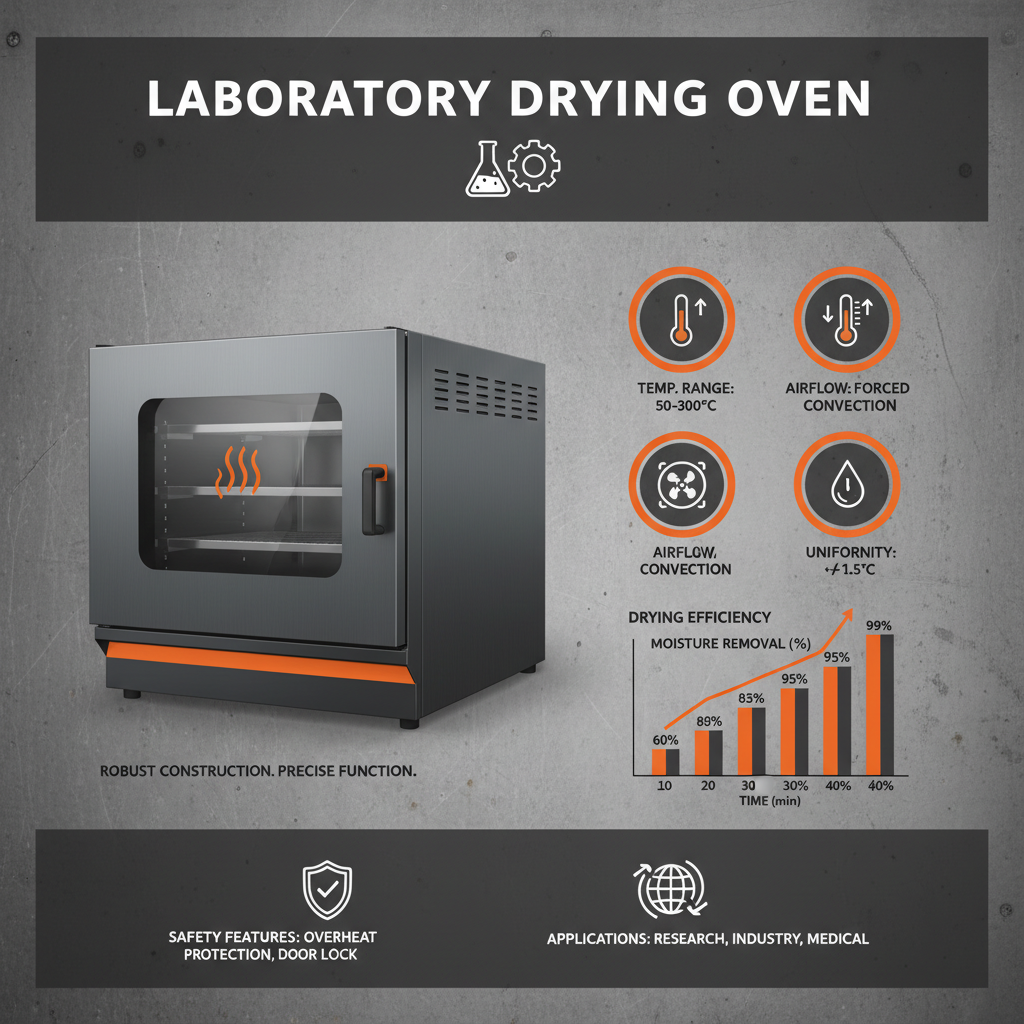
When selecting a drying oven, consider these features: Temperature range and accuracy, chamber volume to accommodate your samples, control system (digital or analog), uniformity of temperature distribution, safety features (overheat protection), and build material (stainless steel is often preferred for corrosion resistance). Also, evaluate the ease of cleaning and maintenance. The CZ Lab Instrument website offers a range of models to meet diverse requirements.
Maintaining and Calibrating Your Drying Oven
Regular maintenance is crucial for ensuring the longevity and accuracy of your drying oven. This includes cleaning the chamber regularly to remove any residue, checking the door seal for leaks, and inspecting the heating elements for damage. Periodic calibration of the temperature controller is also essential to guarantee accurate temperature readings. Following the manufacturer's recommendations for maintenance and calibration will help prevent downtime and ensure reliable performance.
Conclusion: Investing in Quality and Reliability
Selecting the right drying oven is a crucial investment for any laboratory or industrial setting. Considering the factors discussed in this article – type, features, and maintenance – will ensure you choose a model that meets your specific needs and delivers reliable performance for years to come. Explore the comprehensive range of drying ovens offered by CZ Lab Instrument to find the perfect solution for your application.
Frequently Asked Questions (FAQs)
What temperature range should I look for in a drying oven?
The ideal temperature range depends on the materials you’ll be drying. For general-purpose drying, a range of 50°C to 250°C is often sufficient. However, if you need to dry heat-sensitive materials, you may require an oven with a lower temperature range, perhaps down to ambient temperature. Some ovens can reach higher temperatures for specific applications like curing polymers. Consider the boiling point of the solvents or liquids you're removing when determining the appropriate temperature range. Always check the material’s safety data sheet (SDS) for recommended drying temperatures.
How important is temperature uniformity?
Temperature uniformity is crucial for consistent and reliable drying results. Uneven temperature distribution can lead to variations in drying rates across the sample, resulting in inconsistent product quality. Look for ovens with forced convection systems, which circulate air effectively to minimize temperature gradients. Ovens with multiple heating elements and precise temperature control algorithms also contribute to better uniformity. CZ Lab Instrument ovens are designed for excellent temperature uniformity.
What safety features should I consider?
Safety is paramount. Essential safety features include overheat protection, which automatically shuts off the oven if the temperature exceeds a pre-set limit. A door interlock prevents the oven from operating when the door is open. Consider ovens with alarms that alert you to any malfunctions. For applications involving flammable solvents, choose an oven with explosion-proof construction. Always follow proper safety procedures when operating a drying oven.
What material is best for the chamber of a drying oven?
Stainless steel is generally the preferred material for drying oven chambers. It is corrosion-resistant, durable, and easy to clean. It also doesn't react with most substances being dried. Some ovens may use other materials, but stainless steel offers the best combination of performance, longevity, and hygiene.


