
Comprehensive Guide to Hot Air Drying Ovens and Their Applications
Understanding Hot Air Drying Ovens: A Comprehensive Guide
Hot air drying ovens are essential pieces of equipment in numerous industries, from pharmaceuticals and food processing to materials science and electronics. They utilize controlled heat and airflow to remove moisture from materials, preserving them and preparing them for further processing or analysis. This article delves into the principles of operation, applications, benefits, and key considerations when selecting a hot air drying oven. Understanding these factors is crucial for optimizing processes and ensuring product quality.
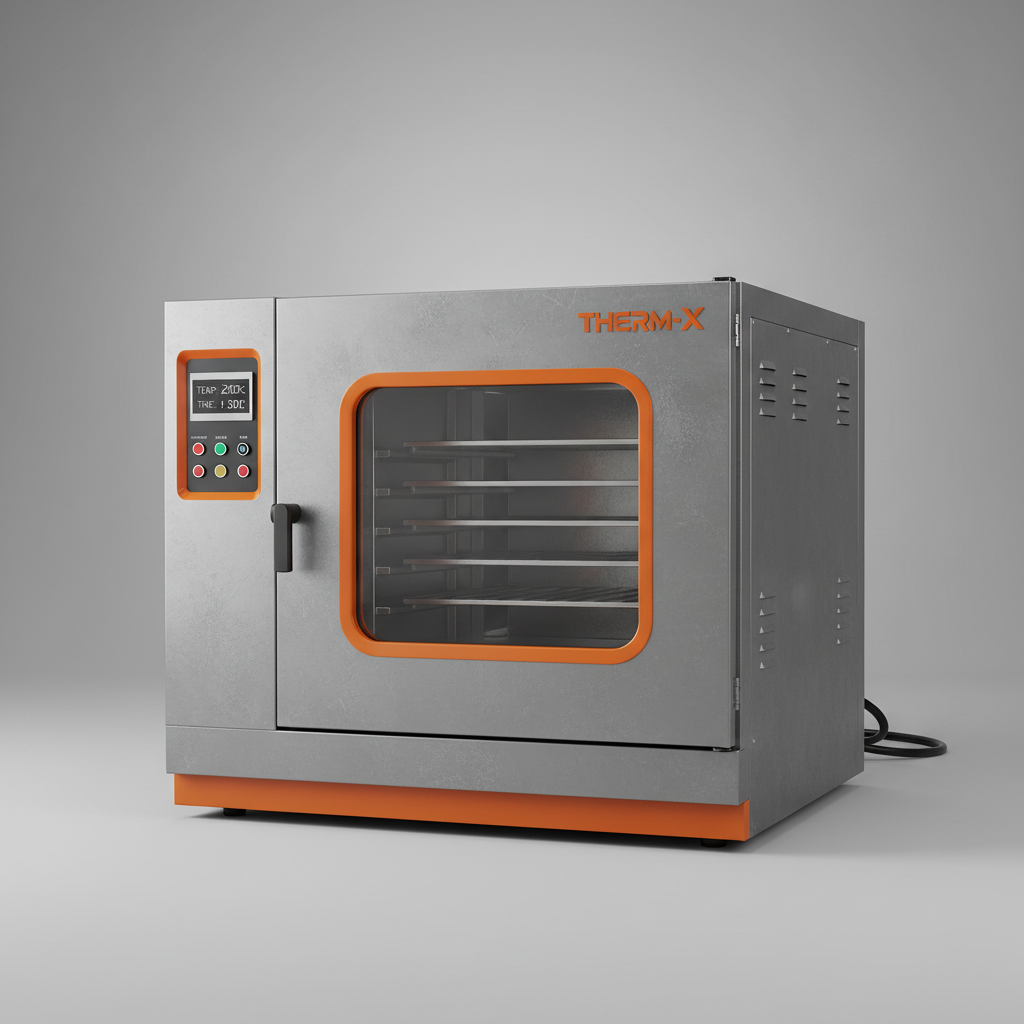
How Do Hot Air Drying Ovens Work?
The principle behind hot air drying ovens is relatively straightforward: applying heat to increase the evaporation rate of moisture from a sample. A fan circulates heated air around the samples, creating a uniform temperature distribution. This consistent airflow removes moisture-laden air, preventing it from saturating the chamber and hindering the drying process. The temperature is precisely controlled by a thermostat, ensuring optimal drying conditions without damaging the material. The efficiency of the drying process depends on factors like temperature, humidity, airflow velocity, and the sample's surface area. Modern ovens often feature programmable controls for automated operation and precise drying profiles.
Key Process Elements: Precise temperature control, uniform airflow, controlled humidity (in some models), programmable drying cycles.
Applications of Hot Air Drying Ovens
Hot air drying ovens find applications in a surprisingly wide range of industries. In the pharmaceutical sector, they are used for drying granules, powders, and coatings. Food processing utilizes them for dehydrating fruits, vegetables, and herbs. In materials science, they’re essential for preparing samples for analysis, removing solvents, and curing coatings. Electronics manufacturers rely on them for drying printed circuit boards and removing moisture from components. Research laboratories frequently employ these ovens for various experiments requiring precise moisture removal. The versatility of these ovens makes them a cornerstone of many quality control and production processes.
Application Examples:
• Pharmaceutical: Drying API’s and excipients
• Food Industry: Dehydrating fruits, vegetables, and snacks
• Material Science: Sample preparation for testing
• Electronics: PCB drying and component moisture removal
Hot Air Drying Oven vs. Other Drying Methods: A Comparison
While various drying methods exist, hot air drying ovens offer distinct advantages. Compared to freeze-drying, they are generally more cost-effective and simpler to operate. Unlike vacuum drying, they don't require specialized vacuum pumps or complex setups. Compared to spray drying, they are suitable for larger sample sizes and less sensitive materials. However, hot air drying might not be ideal for temperature-sensitive substances, where gentler methods like vacuum drying are preferred. Selecting the optimal drying method depends on the specific material properties, desired drying rate, and budget constraints.
Key Considerations When Choosing a Hot Air Drying Oven
Selecting the right hot air drying oven requires careful consideration of several factors. Temperature range and accuracy are paramount, ensuring compatibility with your materials and process requirements. Chamber size dictates the capacity and batch size. Precise temperature control and uniformity are crucial for consistent results. Look for models with programmable controls for automated operation. Also, consider features like forced convection for improved airflow, inert gas capabilities for sensitive materials, and data logging for process monitoring. CZ Lab Instrument offers a range of high-quality hot air drying ovens designed to meet diverse needs.
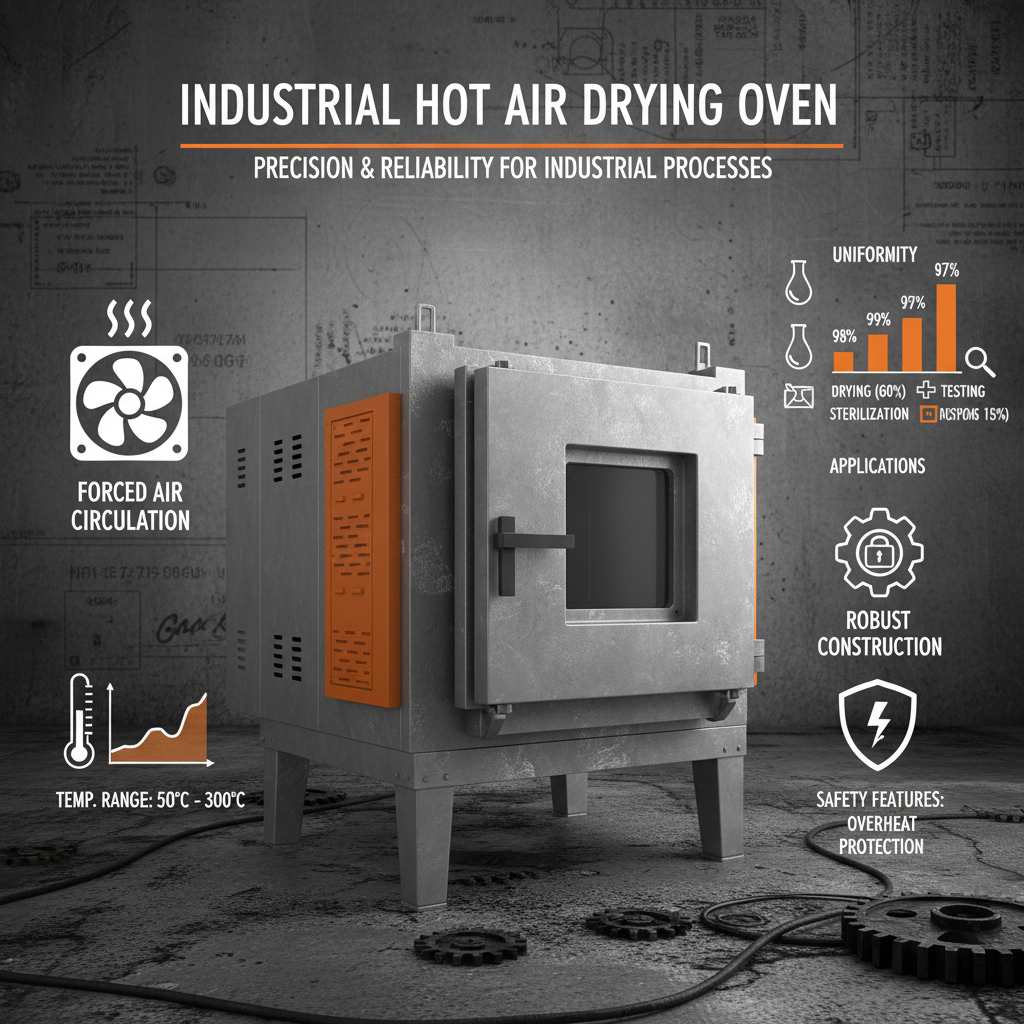
Product Specifications: Example Model (CZ-HDO-100)
Here’s a look at the key specifications for our popular CZ-HDO-100 model:
Conclusion: Optimizing Your Processes with the Right Drying Oven
Choosing the right hot air drying oven is a critical investment for any organization requiring reliable and efficient moisture removal. By carefully considering your application, sample characteristics, and desired features, you can select a model that optimizes your processes, ensures product quality, and enhances overall productivity. CZ Lab Instrument is dedicated to providing innovative and high-performance drying solutions tailored to your specific needs.
Frequently Asked Questions (FAQs)
What materials can be dried in a hot air drying oven?
Hot air drying ovens are versatile and can accommodate a wide range of materials, including solids, powders, granules, and pastes. Common examples include pharmaceuticals, chemicals, food products, polymers, and ceramics. However, it's crucial to consider the material's thermal stability. Materials prone to degradation at elevated temperatures may require lower drying temperatures or alternative drying methods. Always consult the material's safety data sheet (SDS) and conduct preliminary tests to determine optimal drying conditions. Some materials may also release volatile organic compounds (VOCs) during drying, requiring appropriate ventilation or exhaust systems.
How do I ensure uniform drying?
Uniform drying is achieved through several key factors. First, ensure proper sample distribution within the oven chamber, avoiding overcrowding. Secondly, utilize ovens with forced convection systems, which circulate heated air evenly around the samples. Adjusting the airflow velocity can also optimize uniformity. If drying multiple layers of samples, rotate or reposition them periodically to ensure even exposure to heat. Regular calibration of the temperature control system is essential for maintaining consistent temperatures throughout the drying process.
What safety precautions should I take when using a hot air drying oven?
Safety is paramount when operating a hot air drying oven. Always wear appropriate personal protective equipment (PPE), including heat-resistant gloves and safety glasses. Never place flammable materials inside the oven. Ensure the oven is adequately ventilated to prevent the buildup of hazardous fumes. Avoid touching hot surfaces and allow the oven to cool down completely before handling samples. Regularly inspect the oven for any signs of damage or malfunction. Adhere to the manufacturer's instructions and safety guidelines.
How often should I calibrate my hot air drying oven?
Calibration frequency depends on the oven's usage and the criticality of temperature accuracy in your application. As a general guideline, ovens should be calibrated at least annually. However, if the oven is used frequently, or if you're working with sensitive materials, more frequent calibration may be necessary. Calibration should be performed by a qualified technician using certified temperature standards to ensure accuracy and reliability. CZ Lab Instrument offers calibration services to help you maintain optimal oven performance.


