
Understanding Forced Convection Drying Oven Applications and Benefits
Understanding Forced Convection Drying Ovens & Their Applications
In numerous industries, controlled drying processes are crucial for product quality and research. A forced convection drying oven offers a precise and efficient solution for removing moisture from materials. This article will delve into the workings, benefits, applications, and key considerations when selecting a forced convection oven. We’ll explore how this equipment contributes to advancements in fields like pharmaceuticals, food processing, and materials science.
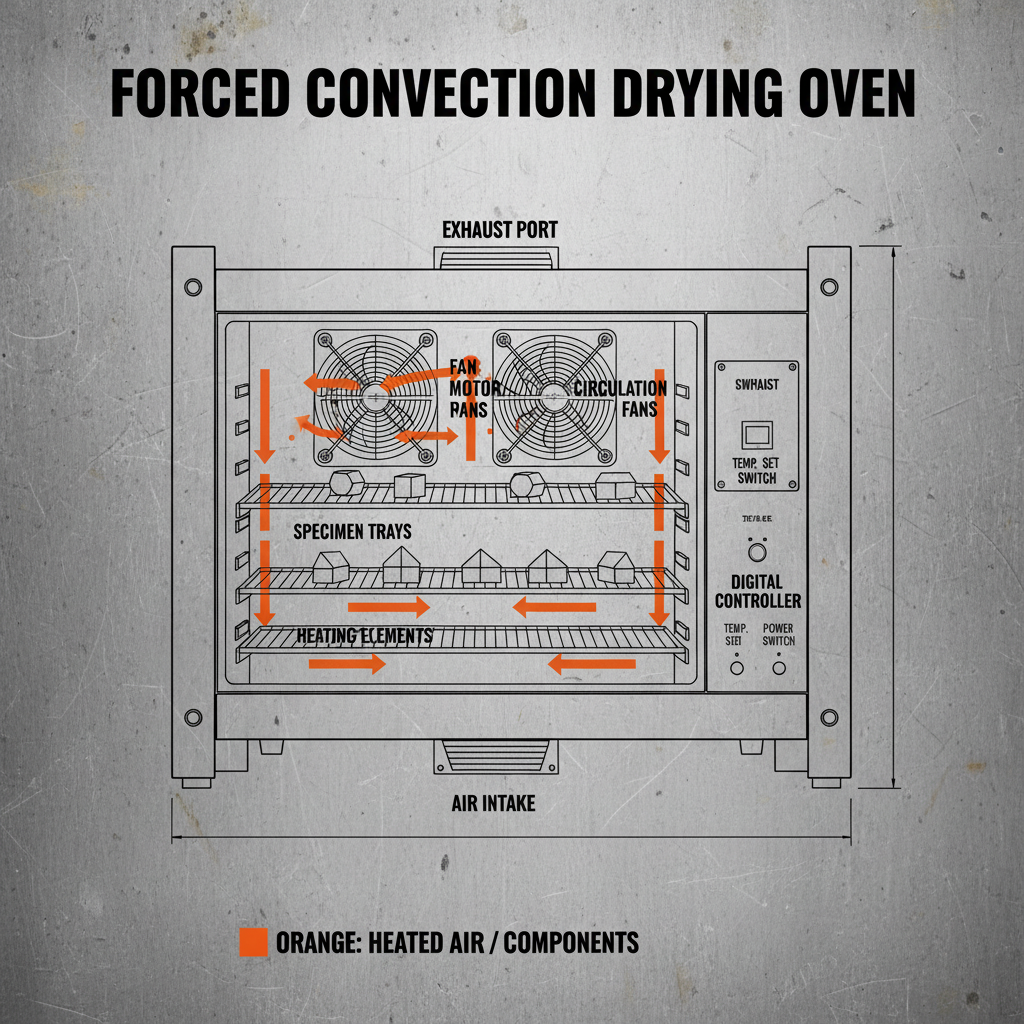
How Does a Forced Convection Drying Oven Work?
Unlike traditional ovens that rely on natural convection, a forced convection drying oven utilizes a fan to circulate heated air throughout the chamber. This forced air flow significantly improves heat transfer, resulting in faster and more uniform drying. The temperature is carefully controlled by a thermostat, ensuring that the material is dried at the optimal rate without degradation. The consistent temperature distribution minimizes hot spots, preventing localized overheating. This makes forced convection drying ovens ideal for sensitive materials.
Key Benefit: Faster and more uniform drying compared to conventional ovens, leading to improved product quality and reduced processing time.
Applications Across Diverse Industries
The versatility of forced convection drying ovens makes them essential equipment across various sectors. In the pharmaceutical industry, they are used for drying granules, powders, and finished products. Food processing utilizes these ovens for drying fruits, vegetables, herbs, and spices. Materials science employs them for preparing samples for analysis and drying coatings. Chemical laboratories rely on them for evaporating solvents and drying precipitates. The ability to control temperature and airflow makes them suitable for a wide range of drying applications.
Industry Applications:
• Pharmaceuticals: Drying granules, powders, and tablets
• Food Processing: Drying fruits, vegetables, and spices
• Materials Science: Sample preparation and coating drying
• Chemical Laboratories: Solvent evaporation and precipitate drying
Forced Convection Drying Oven vs. Other Drying Methods: A Comparison
Several drying methods are available, each with its advantages and disadvantages. Compared to vacuum drying, forced convection drying is generally more cost-effective and simpler to operate. However, vacuum drying is better suited for heat-sensitive materials. Compared to freeze-drying (lyophilization), forced convection is less expensive but may not be ideal for preserving delicate structures. The choice of method depends on the specific material and desired outcome. You can view our selection of drying ovens at CZ Lab Instrument's Drying Oven Collection.
Key Considerations When Choosing a Forced Convection Drying Oven
Selecting the right forced convection drying oven involves considering several factors. Temperature range and accuracy are crucial for ensuring optimal drying conditions. Chamber size should be appropriate for the volume of material being processed. Features like programmable controllers, digital displays, and data logging capabilities can enhance control and monitoring. Additionally, consider the oven’s construction materials and safety features to ensure long-term reliability and operator safety. At CZ Lab Instrument, we offer a range of models to suit various needs and budgets.
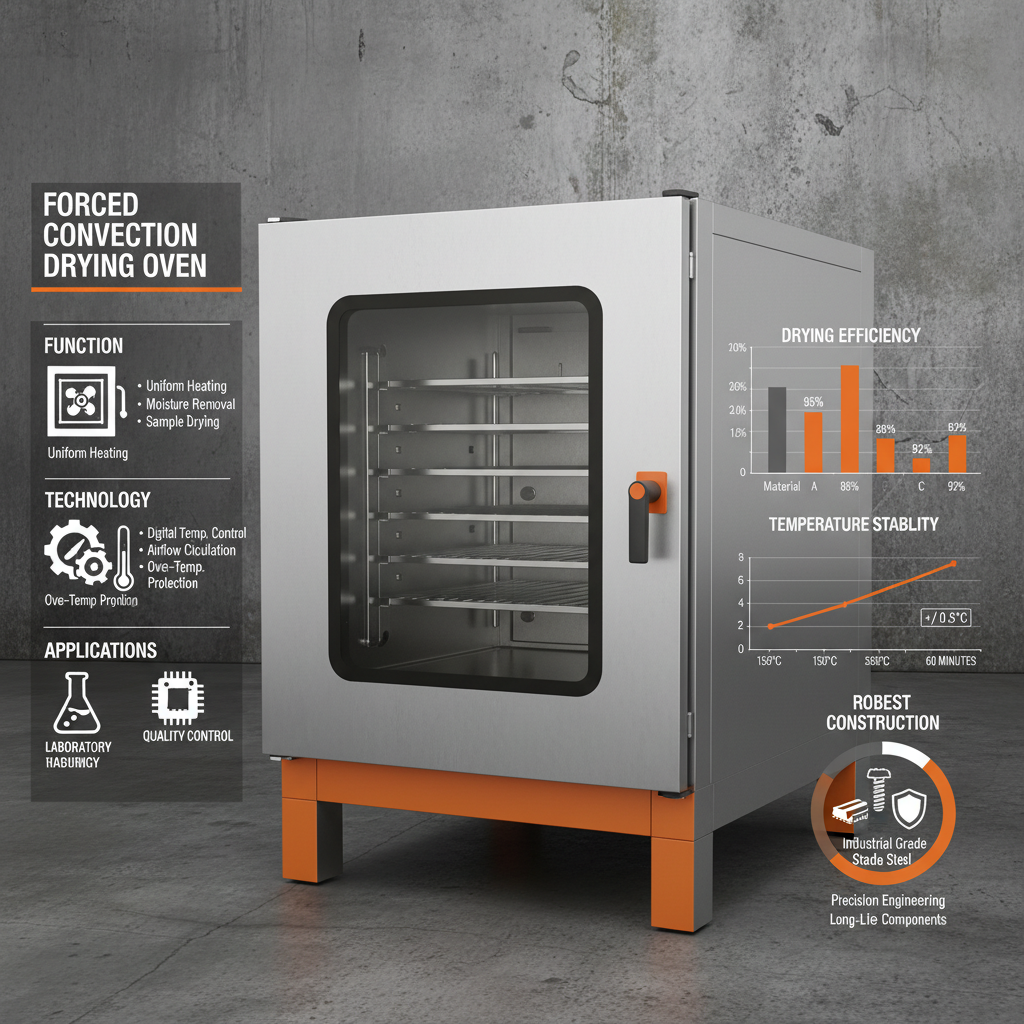
Product Specifications: CZ-SC Series Forced Convection Drying Oven
Here's a quick overview of the specifications for our popular CZ-SC series of forced convection drying ovens:
Conclusion: Optimizing Drying Processes with CZ Lab Instrument
Investing in a high-quality forced convection drying oven from CZ Lab Instrument offers numerous benefits, including increased efficiency, improved product quality, and enhanced safety. Our ovens are designed to meet the demanding needs of modern laboratories and industrial facilities. Contact us today to discuss your specific drying requirements and find the perfect solution for your application.
Frequently Asked Questions (FAQs)
What materials can be dried in a forced convection oven?
A wide range of materials can be dried in a forced convection oven, including powders, granules, liquids, and pastes. It's suitable for heat-stable materials like pharmaceuticals, food products, chemicals, and polymers. However, it's important to consider the material's temperature sensitivity and volatility. For extremely delicate or heat-sensitive materials, other drying methods like vacuum drying or freeze-drying might be more appropriate. It is crucial to always refer to the manufacturer’s instructions and conduct preliminary tests to determine optimal drying conditions for any given material.
How important is temperature control in forced convection drying?
Temperature control is critical in forced convection drying. Precise temperature regulation ensures consistent drying rates, prevents material degradation, and preserves the desired product quality. Too high a temperature can cause thermal decomposition, while too low a temperature can result in prolonged drying times and potential microbial growth. Modern forced convection ovens utilize sophisticated controllers to maintain accurate and stable temperatures throughout the drying process.
What safety features should I look for in a forced convection oven?
Safety is paramount when operating a forced convection oven. Essential safety features include over-temperature protection, which automatically shuts off the oven if the temperature exceeds a set limit. A door interlock prevents the oven from operating when the door is open, minimizing heat loss and potential exposure. Consider models with audible alarms to alert users to any anomalies. Ensure the oven is properly grounded and ventilated to prevent electrical hazards and the buildup of fumes.


