
Comprehensive Guide to Lab Biosafety Cabinet Selection and Safe Usage
Lab Biosafety Cabinet: A Comprehensive Guide
Working with biological materials demands the highest standards of safety. A Lab Biosafety Cabinet (BSC) is a crucial piece of equipment for protecting researchers, the environment, and the samples themselves. This article provides a detailed overview of BSCs, covering their types, features, applications, and selection criteria. We will explore how choosing the right BSC can enhance your laboratory’s safety and productivity.
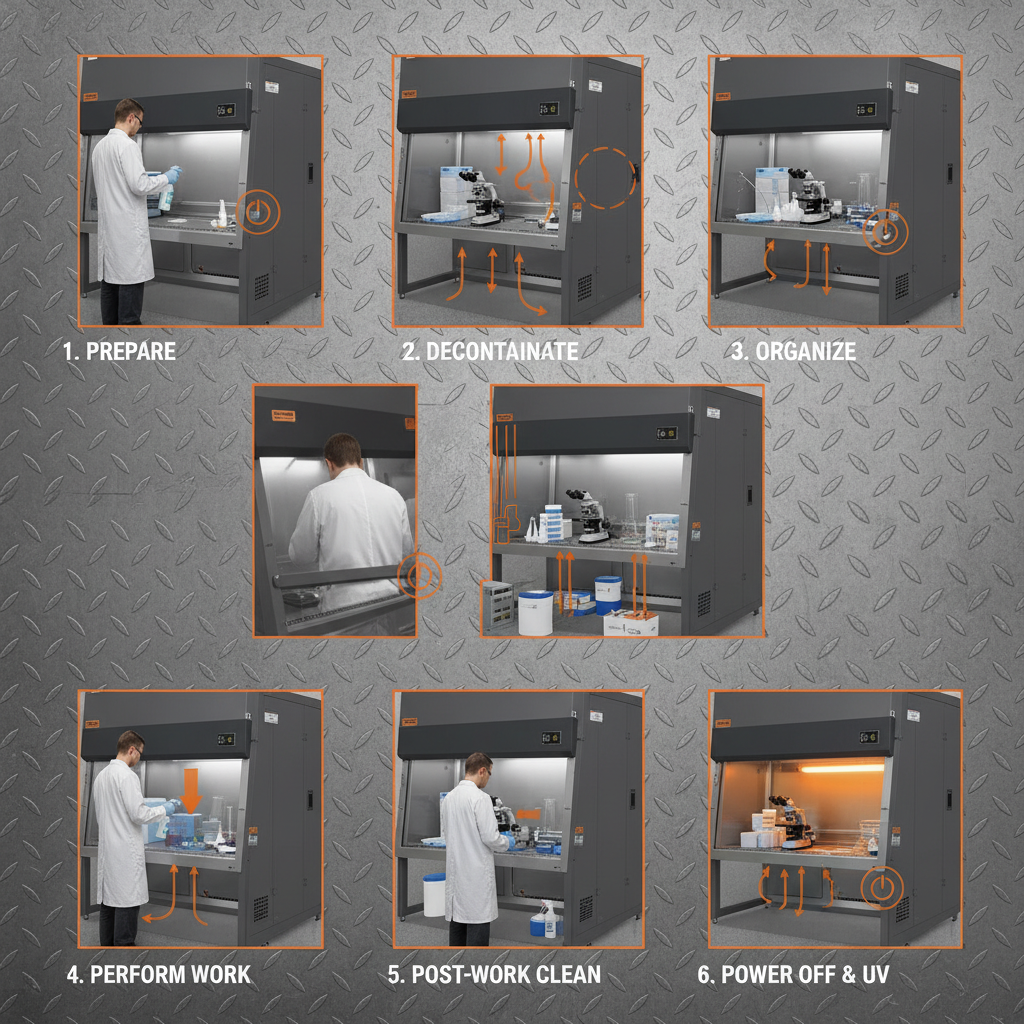
Understanding the Different Types of Lab Biosafety Cabinets
Lab Biosafety Cabinets aren't one-size-fits-all. They are categorized into Classes I, II, and III, each designed to offer different levels of protection. Class I cabinets provide personnel and environmental protection but lack sample protection. Class II cabinets are the most common, offering protection to personnel, products, and the environment. They achieve this through HEPA filtration of both inflow and exhaust air. Class III cabinets offer the highest level of protection, fully enclosing the work area and utilizing gas-tight construction, often including a double HEPA filter system. Selecting the right class depends on the biological agents being handled and the level of risk involved. CZLab Instrument provides a wide range of BSCs to meet diverse laboratory needs.
Key Highlights: Understanding the class of BSC is vital for ensuring proper containment and minimizing risks associated with handling biological materials.
Key Features to Look for in a Lab Biosafety Cabinet
When choosing a BSC, several features are critical. HEPA filtration is paramount, ensuring the removal of 99.97% of particles 0.3 microns or larger. Airflow patterns – laminar airflow (either vertical or horizontal) – contribute to contamination control. Ergonomic design is important for user comfort and reducing strain during long procedures. Alarm systems provide alerts for airflow disruptions or filter inefficiencies. Furthermore, consider features like UV lights for sterilization and easy-to-clean surfaces to maintain a sterile environment. A well-designed BSC significantly contributes to reliable experimental results and researcher safety.
Essential Features:
• HEPA filtration for particle removal
• Laminar airflow for contamination control
• Ergonomic design for user comfort
• Alarm systems for safety alerts
Comparing Class II BSC Models: A Key Consideration
Within Class II BSCs, subtypes A2, B1, and B2 exist. Type A2 cabinets exhaust air directly back into the laboratory after HEPA filtration, making them suitable for work with non-hazardous materials. B1 cabinets connect to an exhaust system, providing additional protection. B2 cabinets (also known as total exhaust cabinets) offer the highest level of protection as they exhaust all air through a dedicated exhaust system. The choice depends on the risk assessment of the materials being handled and the laboratory’s ventilation system. Selecting the right type requires careful consideration.
Applications of Lab Biosafety Cabinets Across Scientific Fields
BSCs are indispensable in a wide range of scientific disciplines. Microbiology labs utilize them for culturing and handling bacteria, viruses, and fungi. Cell culture research relies on BSCs to maintain sterile conditions and prevent contamination. Pharmaceutical research and development use BSCs for formulating and testing new drugs. Clinical diagnostics employ BSCs for processing patient samples. From academic research to industrial quality control, Lab Biosafety Cabinets play a critical role in ensuring accurate and reliable results.
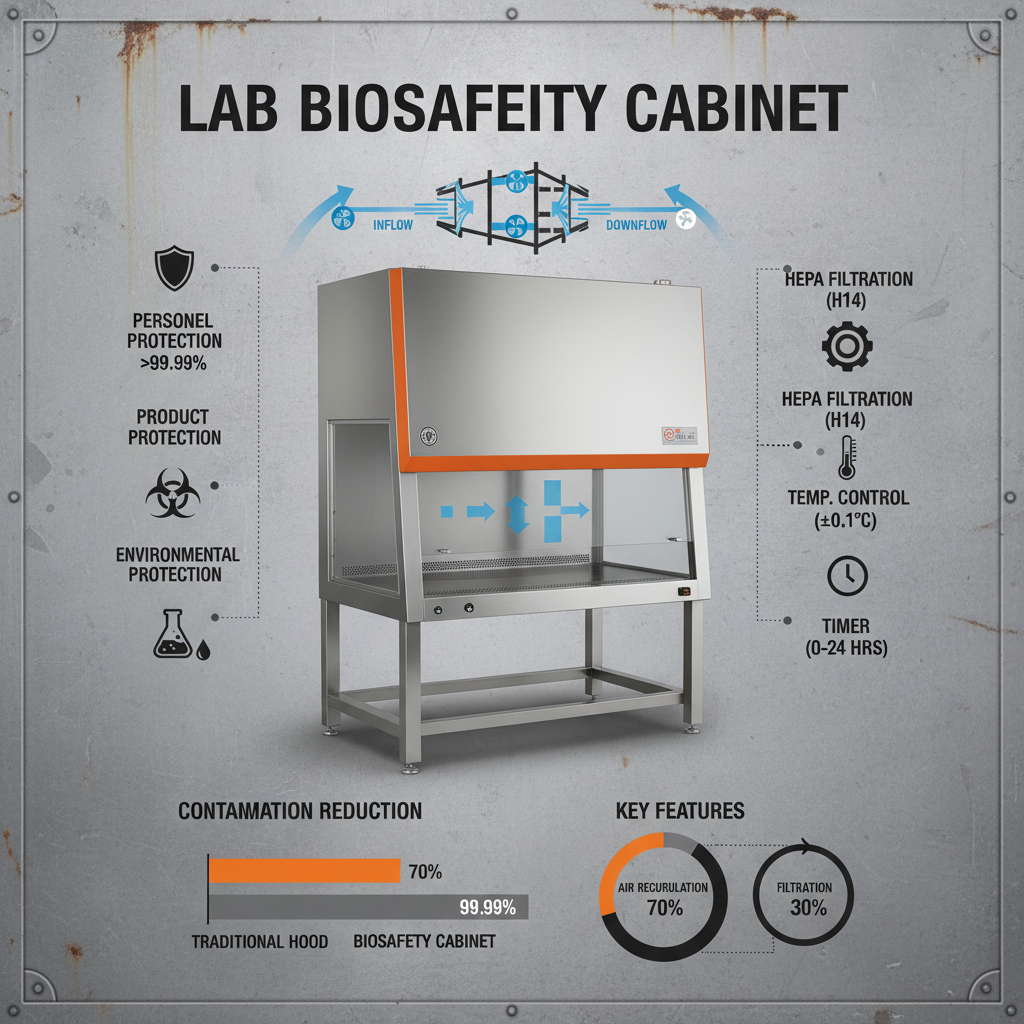
Choosing the Right BSC: Key Specifications and Considerations
Selecting the ideal BSC requires careful consideration of several specifications. Internal dimensions should accommodate your typical workflows and equipment. Airflow velocity must meet established safety standards. Filter efficiency (HEPA filtration) is non-negotiable. Noise levels can impact user comfort. Energy consumption is an important factor for long-term cost savings. And finally, consider the manufacturer’s reputation and certification to ensure quality and reliability. CZLab Instrument offers expert guidance to help you select the BSC best suited for your specific needs.
Conclusion: Protecting Your Lab with a Reliable Biosafety Cabinet
Investing in a high-quality Lab Biosafety Cabinet from a trusted manufacturer like CZLab Instrument is essential for ensuring the safety of personnel, the integrity of research, and the preservation of the environment. Careful consideration of the cabinet type, features, and specifications will guarantee the right choice for your specific laboratory needs.
Frequently Asked Questions (FAQs)
How often should the HEPA filter in a BSC be replaced?
HEPA filter replacement frequency depends on usage and laboratory conditions. Generally, filters should be replaced at least annually, or more frequently if indicated by airflow monitoring or filter integrity tests. Regular filter integrity testing ensures the filter is functioning correctly and maintaining the required level of protection. CZLab Instrument offers filter replacement services and can provide guidance on appropriate testing schedules.
What is the importance of proper BSC certification?
BSC certification is crucial to verify that the cabinet is functioning correctly and meeting required safety standards. Certification involves airflow measurements, filter integrity testing, and overall system performance evaluation. Annual or biannual certification by a qualified technician ensures the BSC provides consistent and reliable protection. CZLab Instrument provides comprehensive BSC certification services to ensure your cabinet meets all regulatory requirements.
How can I ensure proper airflow within a BSC?
Maintaining proper airflow is essential for BSC functionality. Avoid obstructing airflow grilles with large objects or clutter. Ensure the cabinet is operated in a draft-free environment and that the room ventilation system is functioning correctly. Regularly monitor airflow velocity using a calibrated anemometer. Follow the manufacturer's guidelines for proper operation and maintenance. Proper training for all BSC users is crucial to ensure safe and effective operation.


