
Comprehensive Guide to Horizontal Laminar Flow Hoods and Their Applications
Horizontal Laminar Flow Hoods: A Comprehensive Guide
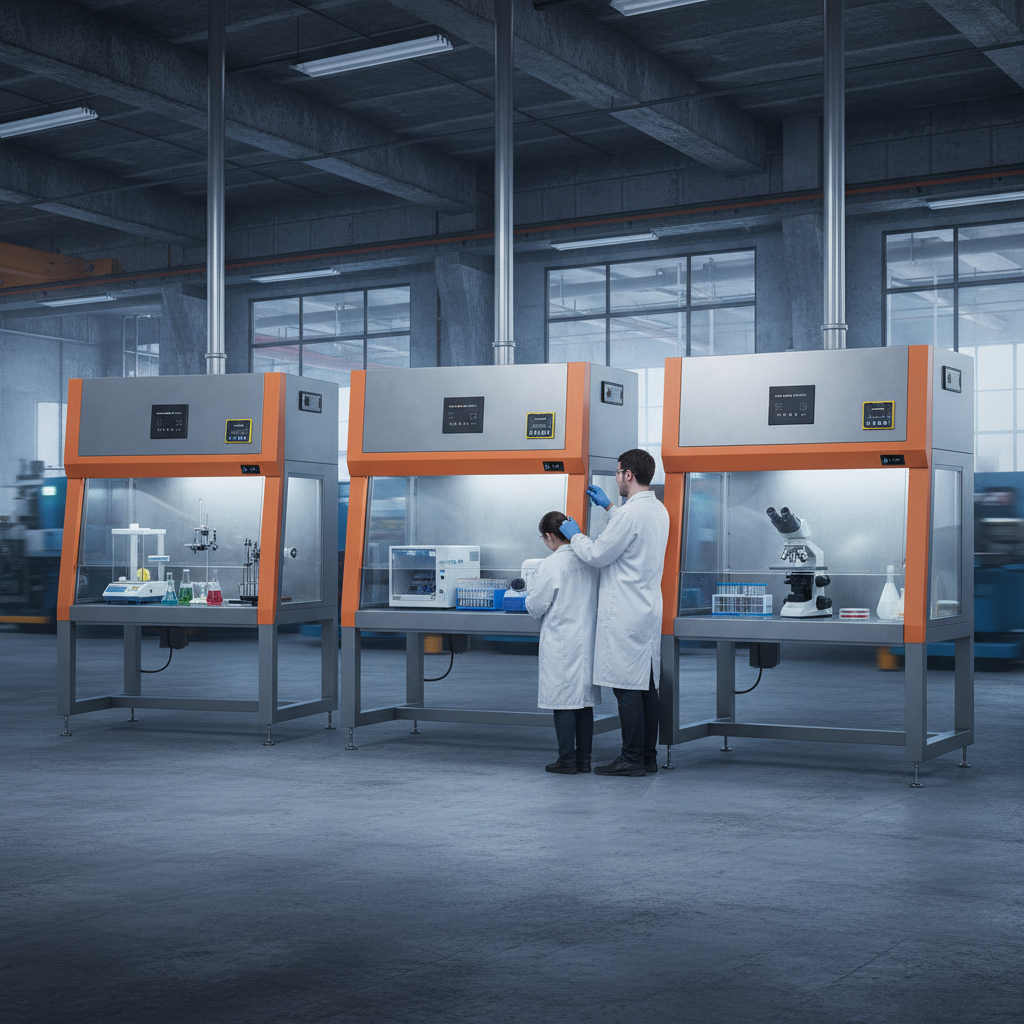
Horizontal laminar flow hoods are critical pieces of equipment for maintaining sterile environments in various industries, from pharmaceuticals and biotechnology to electronics and food preparation. These hoods provide a controlled airflow that minimizes contamination, safeguarding sensitive processes. This article will delve into the functionality, benefits, applications, and key considerations when selecting a horizontal laminar flow hood. Understanding the nuances of these systems can significantly improve process integrity and product quality.
How Horizontal Laminar Flow Hoods Work
Horizontal laminar flow hoods operate by drawing air through a pre-filter, then a HEPA (High-Efficiency Particulate Air) filter, and finally expelling the filtered air horizontally across the work surface. The HEPA filter captures at least 99.97% of particles 0.3 microns in size, creating a clean and sterile environment. This horizontal airflow minimizes the risk of airborne contaminants entering the work area from the user or surrounding environment. Crucially, these hoods do not prevent cross-contamination from the work surface; they protect the process, not the operator or the environment. Regular filter maintenance and proper usage are vital for consistent performance.
Key Principle: HEPA filtration provides a constant supply of clean, particle-free air across the work surface, minimizing contamination risk.
Applications of Horizontal Laminar Flow Hoods
The versatility of horizontal laminar flow hoods makes them suitable for a wide range of applications. In pharmaceutical and biotechnology labs, they are used for compounding sterile preparations, cell culture, and aseptic filling. The electronics industry utilizes these hoods for assembling sensitive components, protecting them from dust and static electricity. Food preparation benefits from the sterile environment for tasks like plating and ingredient preparation. Furthermore, they find use in medical device manufacturing, research laboratories, and even cosmetic production. Selecting the right hood size and features is crucial for optimizing performance in each specific application.
Typical Applications:
• Pharmaceutical Compounding
• Cell Culture
• Electronics Assembly
• Food Preparation
Horizontal Laminar Flow Hoods vs. Vertical Laminar Flow Hoods
A common question is the difference between horizontal and vertical laminar flow hoods. The primary distinction lies in the airflow direction. Horizontal hoods, as discussed, discharge filtered air horizontally, while vertical hoods (also known as biological safety cabinets) draw air from above and exhaust it downwards. Vertical hoods offer operator protection and product protection, making them suitable for working with hazardous materials. Horizontal hoods only protect the product or process. The choice depends on the specific application and risk assessment.
Key Considerations When Choosing a Horizontal Laminar Flow Hood
Selecting the right horizontal laminar flow hood requires careful consideration of several factors. The size of the work area, the type of process being performed, and the required level of cleanliness all play a crucial role. Also consider the materials of construction – stainless steel is often preferred for its durability and ease of cleaning. Regular maintenance, including filter replacement, is essential for maintaining optimal performance. Ensure the hood meets relevant industry standards and certifications. Finally, consider the manufacturer’s reputation and the availability of support and service.
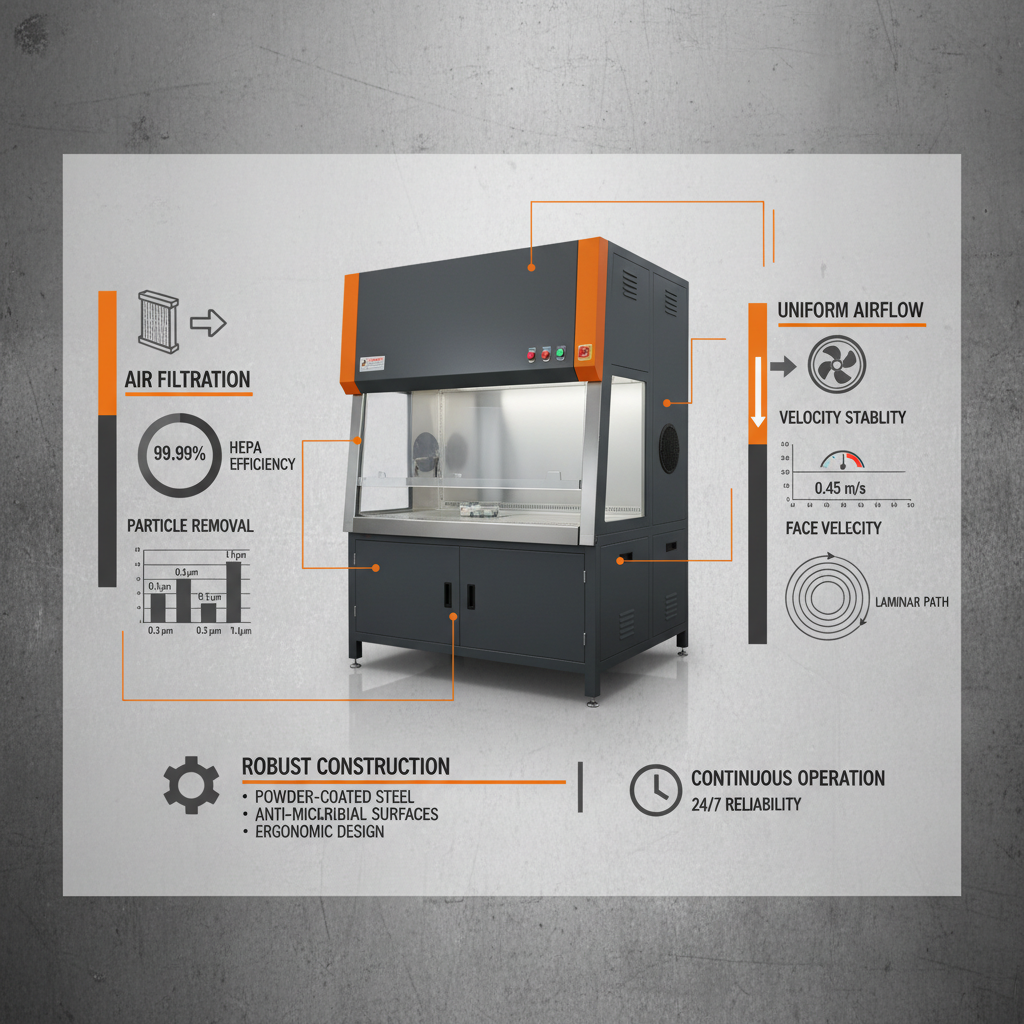
Product Specifications: CZLab Instrument Horizontal Laminar Flow Hoods
CZLab Instrument offers a range of horizontal laminar flow hoods designed to meet diverse needs. Here's a quick overview of key specifications:
Conclusion: Ensuring Process Integrity with CZLab Instrument
Investing in a high-quality horizontal laminar flow hood from CZLab Instrument is crucial for maintaining sterile environments and ensuring process integrity. Our hoods are designed for reliability, performance, and ease of maintenance. Contact us today to discuss your specific needs and find the perfect solution for your application.
Frequently Asked Questions (FAQs)
How often should I replace the HEPA filter in my laminar flow hood?
The frequency of HEPA filter replacement depends on usage and the environment. As a general guideline, filters should be replaced at least every 6-12 months, or sooner if the airflow is reduced or if the differential pressure reading indicates filter loading. Regularly monitoring the pressure drop across the filter is crucial for determining the optimal replacement schedule. CZLab Instrument provides filter replacement services to ensure optimal performance and compliance. Ignoring filter replacement can compromise the sterility of the environment and invalidate critical processes.
What is the proper way to clean a horizontal laminar flow hood?
Regular cleaning is essential for maintaining a sterile environment. Use an EPA-registered disinfectant approved for cleanroom use. Wipe down all interior surfaces with the disinfectant, working from the back to the front. Avoid harsh chemicals or abrasive cleaners that could damage the filter or surfaces. Always allow the disinfectant to dry completely before resuming work. Regular cleaning, combined with filter maintenance, ensures the hood provides consistent protection.
Can I use a horizontal laminar flow hood for working with hazardous materials?
No. Horizontal laminar flow hoods are not designed for working with hazardous materials. They do not provide operator protection. For handling hazardous materials, a biological safety cabinet (BSC) is required. BSCs provide both product protection and personnel protection through inward airflow and HEPA filtration of exhaust air. Using a laminar flow hood for hazardous materials poses a significant risk to the operator and the surrounding environment.


