
Optimizing Equipment Reliability with Advanced Cabinet Flow Air Solutions
Understanding Cabinet Flow Air: Applications and Benefits
Maintaining optimal airflow within enclosed spaces like electronic cabinets, telecommunication racks, and industrial enclosures is crucial for preventing overheating and ensuring the reliable operation of sensitive equipment. Cabinet Flow Air solutions from CZ Lab Instrument offer a versatile and effective method for achieving this. This article will delve into the principles behind cabinet airflow management, explore the benefits of utilizing dedicated airflow systems, and showcase how CZ Lab Instrument's solutions address common challenges in various industries. Proper airflow not only extends the lifespan of your equipment but also minimizes downtime and improves overall system performance. We'll cover the importance of selecting the right airflow solution for your specific needs.
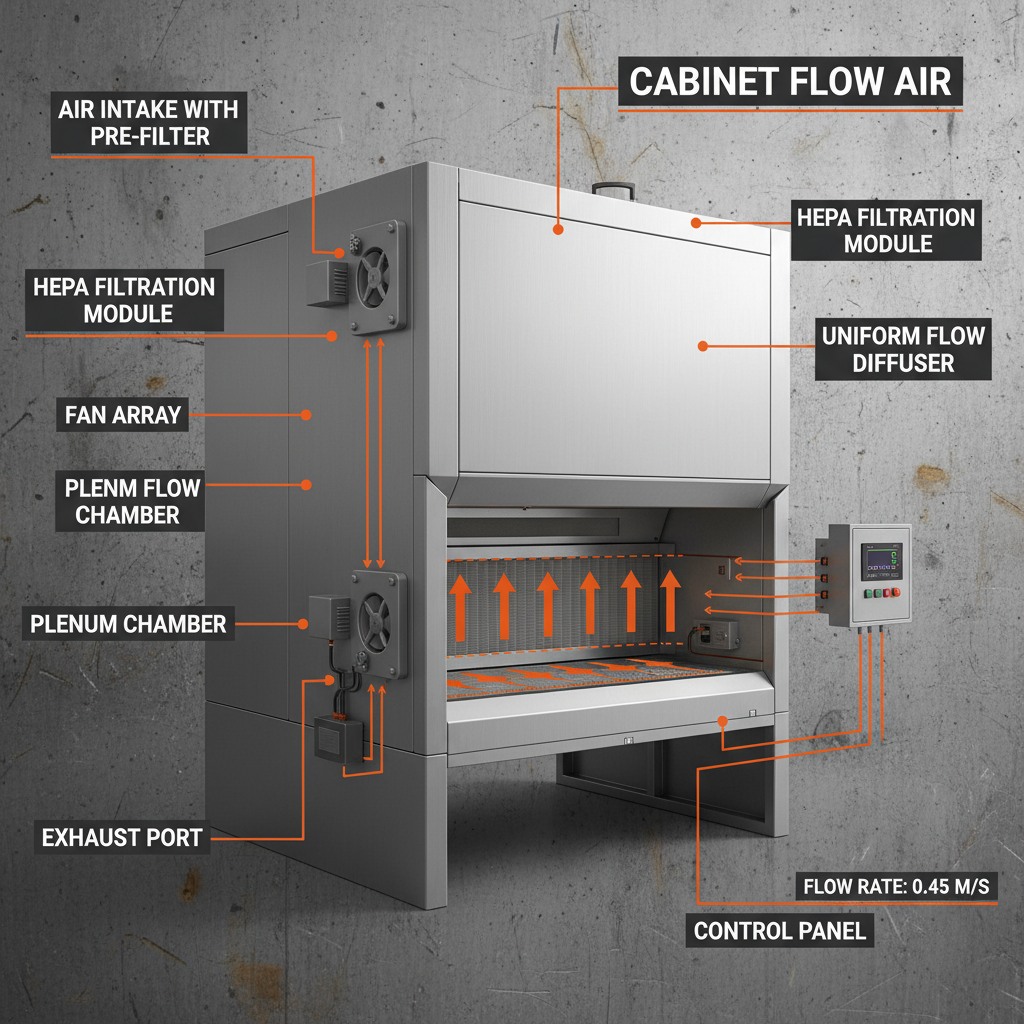
The Importance of Controlled Airflow in Cabinets
Electronic components generate heat during operation. Without adequate airflow, this heat can accumulate, leading to decreased performance, component failure, and even complete system shutdowns. Maintaining a consistent temperature within an acceptable range is paramount. Cabinet Flow Air systems facilitate heat dissipation by drawing cool air into the enclosure and expelling hot air, creating a continuous cycle of cooling. This is particularly important in densely populated cabinets where natural convection is insufficient. Effective airflow management also helps to prevent condensation, which can cause corrosion and short circuits.
Key Benefits: Prevents overheating, extends component lifespan, minimizes downtime, reduces the risk of component failure, and prevents condensation.
Applications of Cabinet Flow Air Systems
The applications for Cabinet Flow Air systems are diverse, spanning across numerous industries. Telecommunications companies rely on them to maintain optimal temperatures in server racks. Industrial automation facilities use them to cool control panels and drive systems. Data centers, medical equipment enclosures, and even outdoor kiosks benefit from the consistent cooling provided by these systems. Furthermore, they're increasingly used in battery energy storage systems (BESS) to regulate temperature and enhance performance. The need for reliable cooling solutions is growing across a wide range of applications.
Common Application Areas:
• Telecommunications
• Data Centers
• Industrial Automation
• Medical Equipment
• Battery Energy Storage Systems (BESS)
Choosing the Right Cabinet Flow Air Solution
Selecting the appropriate Cabinet Flow Air system requires careful consideration of several factors, including the cabinet size, heat load, environmental conditions, and power requirements. Fan capacity (measured in CFM - Cubic Feet per Minute) is a critical parameter. Higher heat loads necessitate higher CFM ratings. Noise levels are also an important factor, particularly in noise-sensitive environments. CZ Lab Instrument offers a range of solutions, including AC fans, DC fans, and temperature-controlled fan systems to meet diverse needs. Furthermore, consider features like filter options for dust protection and remote monitoring capabilities.
CZ Lab Instrument: Your Partner for Cabinet Airflow Solutions
CZ Lab Instrument specializes in providing high-quality Cabinet Flow Air systems engineered for reliability and performance. We offer a wide selection of fans, filters, and temperature controllers to suit various applications. Our team of experts can assist you in selecting the optimal solution for your specific needs and provide technical support throughout the implementation process. We are committed to delivering innovative and cost-effective solutions to ensure your equipment operates at peak efficiency and reliability.
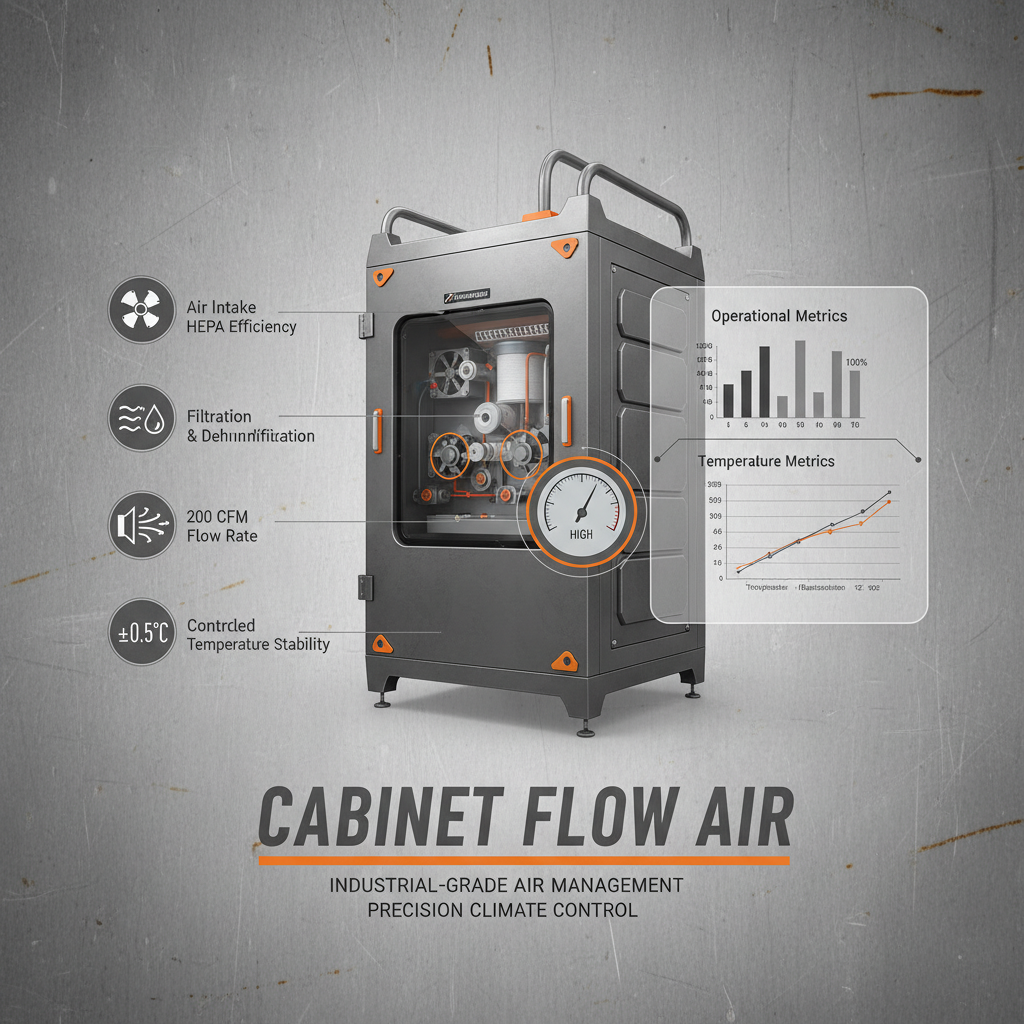
Product Specifications: DC Brushless Fans
Below is a sample specification table for our popular DC brushless fans, demonstrating the range of options available.
Conclusion: Optimize Your System with CZ Lab Instrument
Investing in a reliable Cabinet Flow Air system is a proactive step towards ensuring the longevity and performance of your critical equipment. CZ Lab Instrument provides a comprehensive range of solutions, expert guidance, and unwavering support. Contact us today to discuss your specific airflow requirements and discover how we can help you optimize your system.
Frequently Asked Questions (FAQs)
What is the difference between AC and DC fans for cabinet airflow?
AC fans operate on alternating current and are generally more powerful and cost-effective for larger applications. However, they require an AC power source and may generate more noise. DC fans operate on direct current, offering quieter operation and the ability to adjust fan speed based on temperature. They're ideal for sensitive environments and situations where precise airflow control is needed. The choice depends on your specific power availability, noise requirements, and airflow control needs. CZ Lab Instrument offers both AC and DC options to suit a variety of applications.
How often should I replace the filters in my cabinet airflow system?
The frequency of filter replacement depends on the operating environment. In dusty or dirty environments, filters may need to be replaced every 1-3 months. In cleaner environments, replacement every 6-12 months may suffice. Regularly inspect the filters and replace them when they appear clogged or dirty. Clogged filters restrict airflow and reduce the system's efficiency. Using high-quality filters from CZ Lab Instrument can extend their lifespan and maintain optimal performance.
Can I use a temperature controller with my cabinet airflow system?
Yes, temperature controllers can significantly enhance the efficiency of your cabinet airflow system. They allow you to set a desired temperature threshold, and the fans will automatically adjust their speed to maintain that temperature. This prevents overcooling and conserves energy. CZ Lab Instrument offers a range of temperature controllers compatible with our fans, providing precise and reliable temperature management.


