
Comprehensive Guide to School Laminar Flow Cabinet Selection and Usage
Understanding School Laminar Flow Cabinets: A Comprehensive Guide
Laminar flow cabinets are essential pieces of equipment in educational laboratories, ensuring a sterile and controlled environment for sensitive experiments. A School Laminar Flow Cabinet provides a safe workspace, protecting both the user and the experiment from contamination. This article will explore the features, benefits, applications, and considerations when selecting a laminar flow cabinet for a school laboratory. Investing in the right equipment is vital for fostering a successful and safe learning environment.
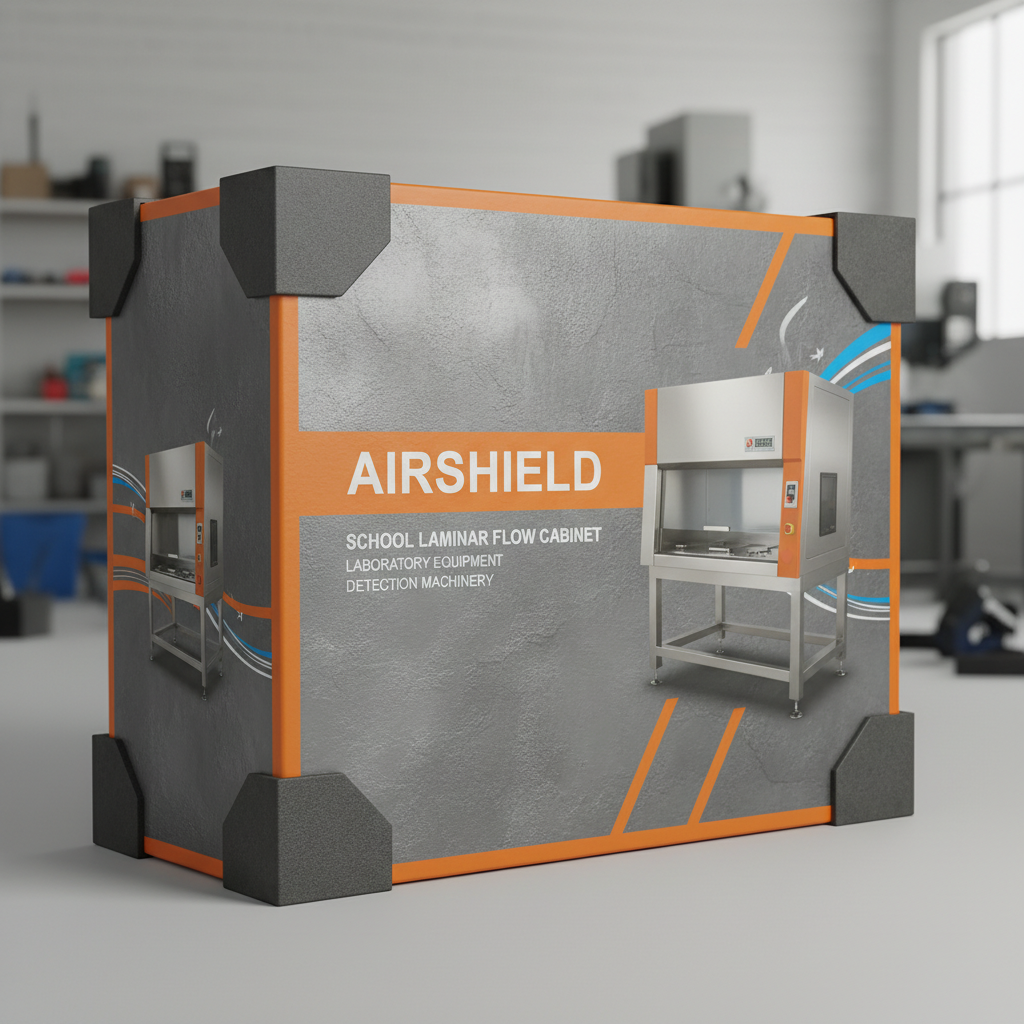
What is a School Laminar Flow Cabinet?
A laminar flow cabinet creates a particulate-free workspace by drawing air through a HEPA filter. This filtered air then flows in a smooth, laminar (layered) stream, preventing contaminants from entering the work area. School laminar flow cabinets are designed to meet the specific needs of educational settings, often prioritizing ease of use, safety features, and affordability. They are crucial for microbiology, biology, and chemistry experiments where maintaining sterility is paramount. Understanding the different types and features available is key to selecting the most appropriate cabinet for your school’s curriculum and requirements. CZLabInstrument offers a range of solutions designed for educational use.
Key Benefit: Laminar flow cabinets are critical in school labs for minimizing contamination during experiments, ensuring reliable and accurate results for students.
Types of School Laminar Flow Cabinets
There are two main types of laminar flow cabinets: vertical and horizontal. Vertical laminar flow cabinets draw air downwards, providing product protection. This is ideal for applications where keeping the sample sterile is critical. Horizontal laminar flow cabinets blow air across the work surface, offering operator protection. This configuration is often preferred when working with hazardous materials. Choosing the right type depends on the specific experiments conducted in the school laboratory. Factors to consider include the level of containment required, the types of materials used, and the potential for exposure to hazardous substances.
Laminar Flow Cabinet Types:
• Vertical Flow: Product protection, downward airflow.
• Horizontal Flow: Operator protection, airflow across the surface.
School Laminar Flow Cabinet Features and Specifications
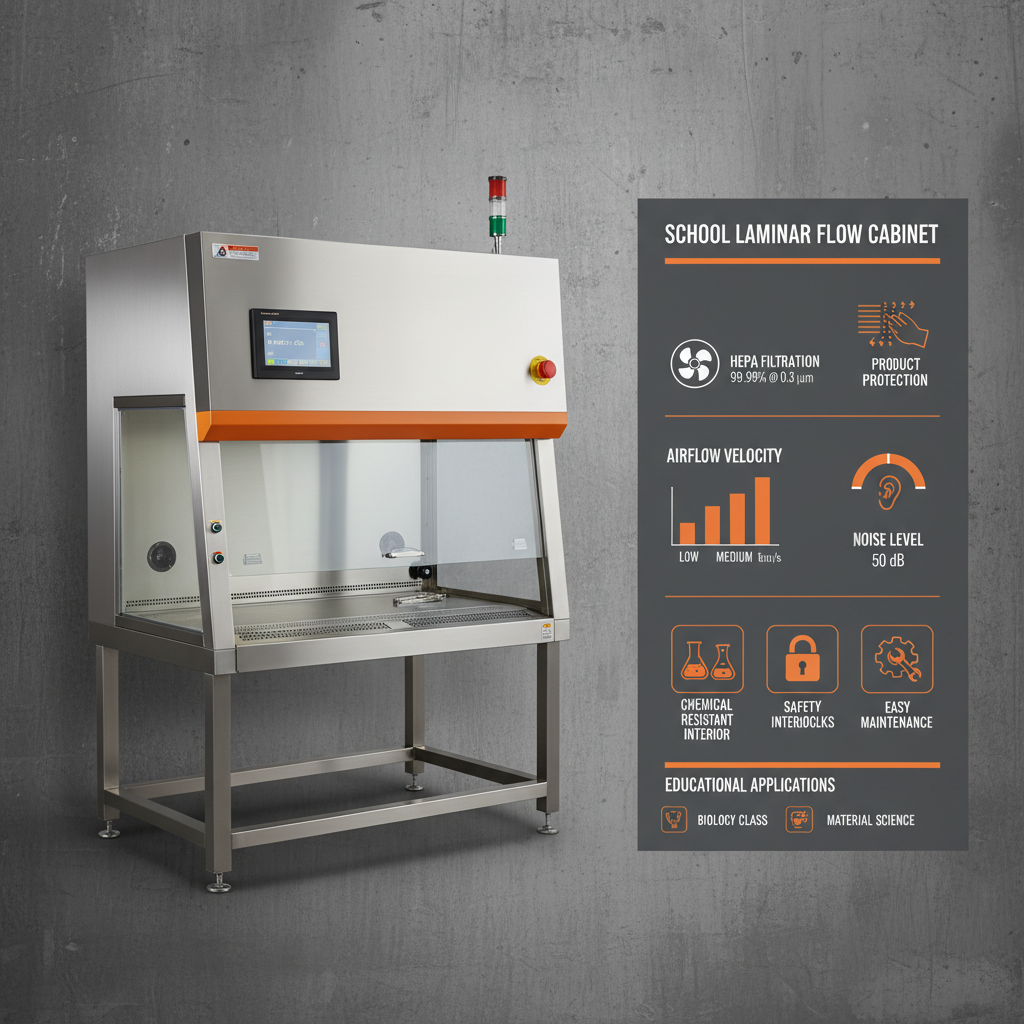
When evaluating school laminar flow cabinets, consider these key features: HEPA filtration efficiency (typically 99.97% for particles 0.3 microns and larger), airflow velocity, UV sterilization capabilities, material construction (stainless steel is common), and digital controls for monitoring and adjusting settings. Also, look for safety features such as alarms that indicate airflow disruptions. A well-equipped cabinet will enhance the reliability and safety of experiments.
Applications in School Laboratories
School laminar flow cabinets have a diverse range of applications, including microbiology cultures, sterile plant propagation, insect rearing, small animal handling, and preparing media. They are also beneficial for experiments requiring precise control over the environment, such as chemical reactions sensitive to airborne contaminants. Providing students with access to these tools enhances their practical skills and prepares them for advanced scientific studies. CZLabInstrument’s cabinets support a wide array of educational applications.
Maintenance and Safety Considerations for School Laminar Flow Cabinets
Regular maintenance is crucial for ensuring the optimal performance and longevity of a school laminar flow cabinet. This includes routinely changing the HEPA filter (typically every 6-12 months, depending on usage), cleaning the work surface with appropriate disinfectants, and verifying airflow velocity. Safety training is also essential for all users, emphasizing proper operating procedures and the importance of wearing personal protective equipment (PPE). A consistent maintenance schedule and thorough training will minimize risks and maximize the benefits of the cabinet.
Conclusion: Investing in a Safe and Productive Learning Environment
A School Laminar Flow Cabinet is an indispensable tool for modern science education. By providing a controlled, sterile environment, these cabinets empower students to conduct accurate experiments, explore scientific concepts, and develop essential laboratory skills. Choosing a cabinet that meets your school's specific needs and prioritizing regular maintenance and safety training will ensure a productive and safe learning environment for years to come.
Frequently Asked Questions (FAQs)
How often should the HEPA filter be replaced in a school laminar flow cabinet?
The HEPA filter should typically be replaced every 6-12 months, depending on the frequency of use and the environment. It’s essential to monitor the filter’s performance regularly using a filter integrity test. If the airflow velocity drops below the recommended level, or if the filter shows signs of contamination, it should be replaced immediately. Always use filters specifically designed for laminar flow cabinets to ensure optimal performance and filtration efficiency. Proper filter replacement is vital for maintaining a sterile work environment.
What cleaning agents are safe to use on a laminar flow cabinet?
Use only cleaning agents that are non-abrasive, non-flammable, and non-toxic. 70% isopropyl alcohol is commonly used for disinfecting the work surface. Avoid using harsh chemicals, such as bleach or strong solvents, as these can damage the cabinet's materials and compromise its performance. Always follow the manufacturer's recommendations for cleaning procedures and approved cleaning agents. Thorough cleaning and disinfection are crucial for maintaining a sterile environment and preventing contamination.
Are laminar flow cabinets noisy?
Laminar flow cabinets do produce some noise due to the fan motors. However, modern cabinets are designed to minimize noise levels. The noise level typically ranges from 50 to 60 decibels, which is comparable to a normal conversation. Choosing a cabinet with vibration dampening features can further reduce noise. It’s important to consider the noise level, especially if the cabinet will be located in a quiet laboratory setting.
How important is airflow velocity in a laminar flow cabinet?
Airflow velocity is critical for maintaining a sterile work environment. A consistent and appropriate airflow velocity (typically 70-100 LFPM) ensures that contaminants are effectively swept away from the work surface. Regularly monitoring the airflow velocity using an anemometer is essential to verify that the cabinet is functioning correctly. If the airflow velocity is too low, contaminants may enter the work area, compromising the experiment. If it’s too high, it can disrupt delicate procedures.


