
Comprehensive Guide to Laboratory Drying Vacuum Oven Applications and Principles
Laboratory Drying Vacuum Oven: A Comprehensive Guide
A Laboratory Drying Vacuum Oven is an essential piece of equipment for a wide range of scientific and industrial applications. From pharmaceutical research to materials science, these ovens provide a controlled environment for removing moisture and volatile substances from samples. Understanding the key features, benefits, and applications of a vacuum oven is critical for achieving accurate and reliable results. Choosing the right oven can significantly enhance your research and development processes, ensuring sample integrity and reproducibility.
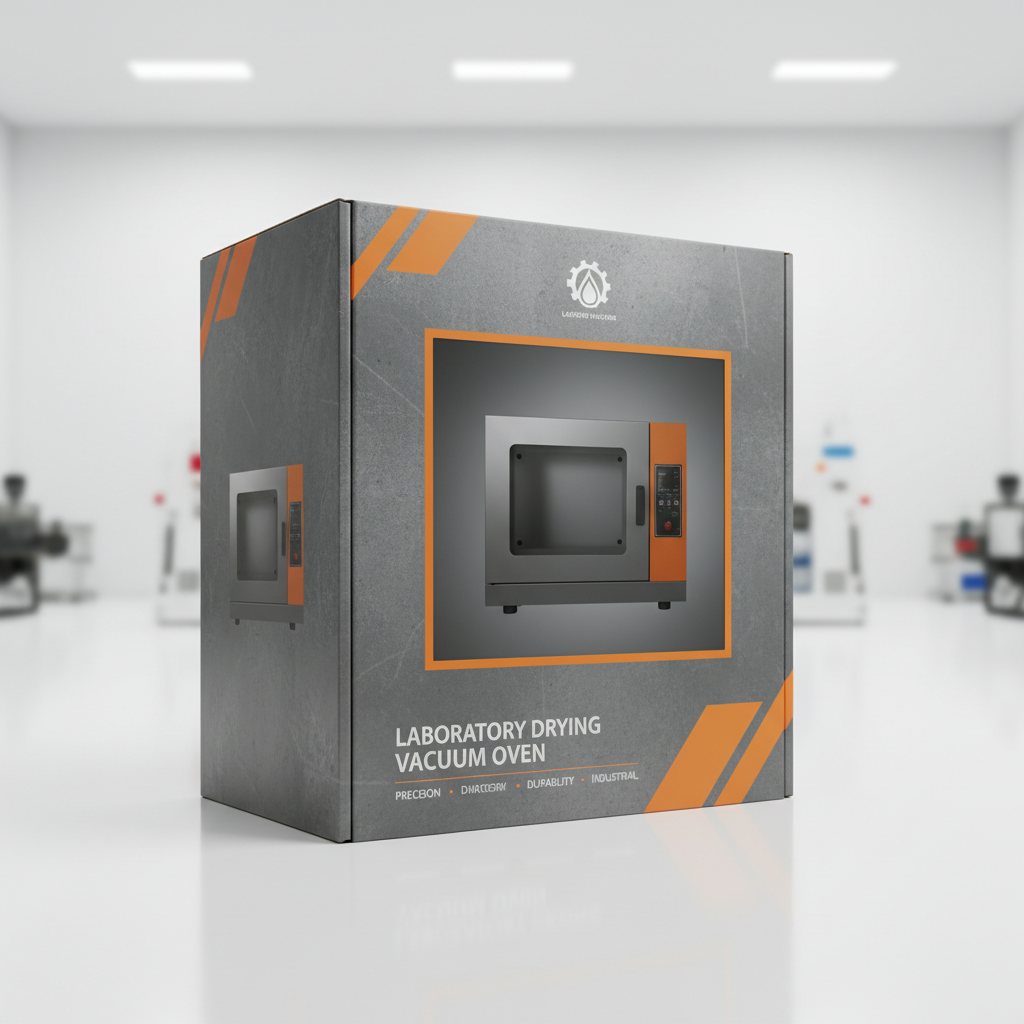
Understanding the Principles of Vacuum Drying
The core principle behind vacuum drying is reducing the pressure surrounding the sample, which lowers the boiling point of liquids, including water. This allows for efficient evaporation at lower temperatures, preserving the integrity of heat-sensitive materials. Unlike conventional ovens that rely on high temperatures, vacuum ovens minimize thermal degradation, making them ideal for drying delicate substances. This process is widely used in various industries where precise control over drying parameters is crucial. The reduction in oxygen levels within the chamber also inhibits oxidation, further protecting the sample. For more details, visit CZ Lab Instrument.
Key Benefits: Minimizes thermal degradation, preserves sample integrity, inhibits oxidation, and efficient drying at lower temperatures.
Key Applications of Laboratory Drying Vacuum Ovens
Laboratory Drying Vacuum Ovens are used across diverse fields. In the pharmaceutical industry, they are vital for drying APIs (Active Pharmaceutical Ingredients) and excipients. Materials science utilizes them for preparing samples for analysis and research. The food industry uses them for moisture content analysis and preservation. Environmental testing labs employ them for sample preparation prior to analysis. They are also essential in the electronics industry for drying PCBs and components. The versatility of these ovens makes them a staple in modern laboratories. Explore application-specific models at CZ Lab Instrument’s website.
Application Areas:
• Pharmaceutical Industry
• Materials Science
• Food Industry
• Environmental Testing
• Electronics Industry
Laboratory Drying Vacuum Oven: Features and Specifications
Modern Laboratory Drying Vacuum Ovens boast a range of features designed for precision and efficiency. Microprocessor control allows for accurate temperature and vacuum regulation. Programmable profiles allow for automated drying cycles. Shelves are often adjustable to accommodate different sample sizes. A robust vacuum pump ensures efficient and consistent vacuum levels. Many models also include features like inert gas purging for sensitive samples. Here's a table outlining typical specifications:
Choosing the Right Vacuum Oven: Key Considerations
Selecting the optimal Laboratory Drying Vacuum Oven involves considering several factors. The chamber volume should be appropriate for your typical sample load. The required temperature range must align with the properties of the materials being dried. The vacuum level needed depends on the volatility of the substance being removed. Digital control and programming capabilities offer greater precision and automation. The quality of the vacuum pump is crucial for efficient performance. CZ Lab Instrument offers a variety of models to suit diverse needs.
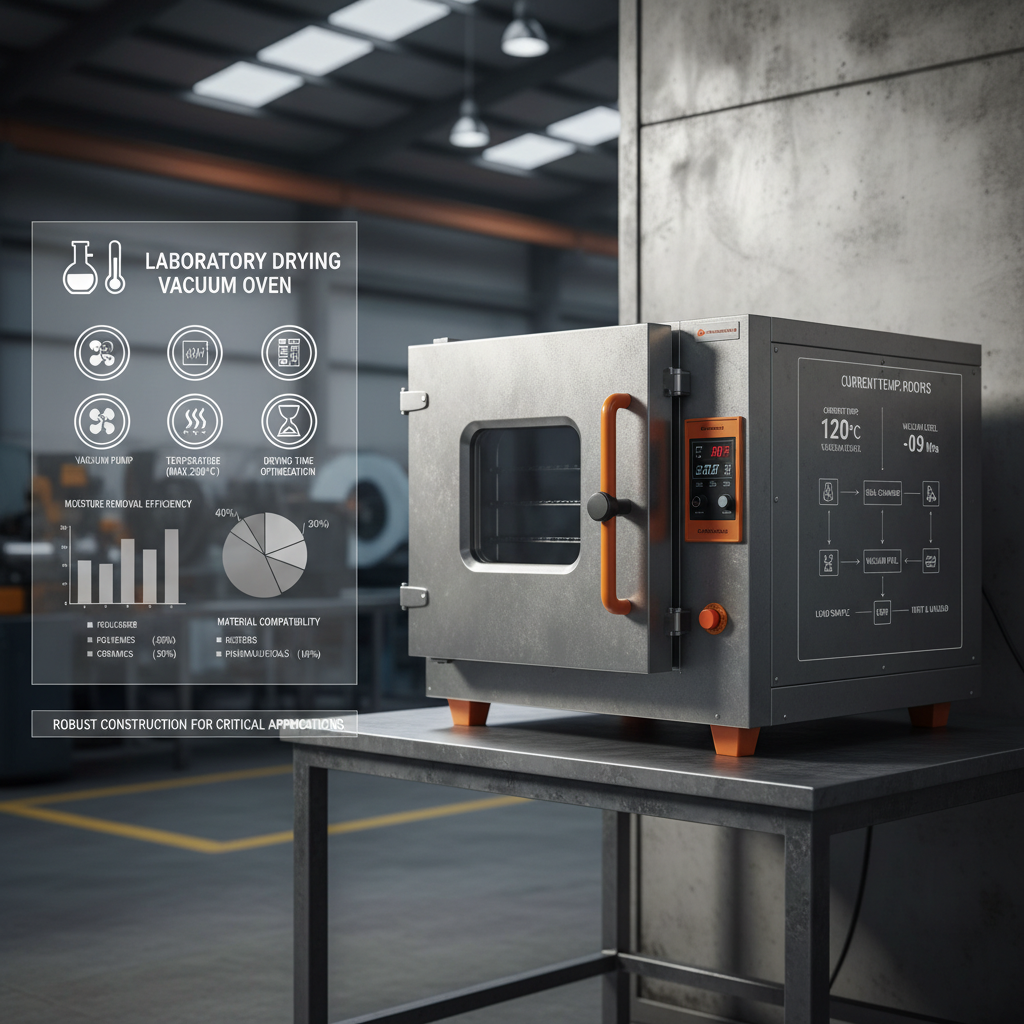
Maintaining and Troubleshooting Your Vacuum Oven
Proper maintenance is vital for ensuring the longevity and performance of your Laboratory Drying Vacuum Oven. Regularly inspect the vacuum pump oil level and replace it as needed. Clean the chamber after each use to prevent contamination. Check the door seal for any signs of wear or damage. If you encounter issues, such as inconsistent vacuum levels or temperature fluctuations, consult the user manual or contact a qualified technician. Routine maintenance will help prevent costly repairs and ensure reliable operation. CZ Lab Instrument provides comprehensive support and maintenance services.
Conclusion: Investing in Quality for Reliable Results
A Laboratory Drying Vacuum Oven is a crucial investment for any laboratory. By choosing a high-quality oven with the right features and adhering to proper maintenance practices, you can ensure accurate, reliable results and maximize the efficiency of your research and development processes. Don't compromise on quality – choose an oven that meets your specific needs.
Frequently Asked Questions (FAQs)
What is the advantage of using a vacuum oven over a traditional convection oven for drying heat-sensitive materials?
The primary advantage lies in the reduced temperature requirement. Vacuum ovens lower the boiling point of liquids, allowing drying to occur at significantly lower temperatures than conventional ovens. This is crucial for heat-sensitive materials as it minimizes thermal degradation and preserves their chemical integrity. Conventional ovens rely on high heat, which can alter or damage delicate samples. The lower temperatures also reduce the risk of oxidation, further protecting the material being dried. This makes vacuum ovens ideal for pharmaceuticals, biological samples, and other temperature-sensitive applications.
How often should the vacuum pump oil be changed?
The frequency of oil changes depends on the usage and the type of substance being dried. As a general guideline, the oil should be changed every 100-200 hours of operation, or at least every three months, even with infrequent use. If you are drying substances that are likely to contaminate the oil (e.g., solvents, volatile chemicals), more frequent changes are recommended. Always refer to the vacuum pump manufacturer's recommendations for specific oil change intervals. Regular oil changes are crucial for maintaining pump efficiency and preventing damage.
What safety precautions should be taken when using a vacuum oven?
Always wear appropriate personal protective equipment (PPE), including safety glasses and gloves. Ensure the oven is properly grounded to prevent electrical hazards. Avoid drying flammable solvents without proper ventilation and explosion-proof features. Never open the chamber while under vacuum, as this can cause a rapid influx of air and potentially damage the sample or oven. Regularly inspect the chamber for cracks or leaks. Refer to the oven's user manual for detailed safety guidelines and follow all instructions carefully.
Can a vacuum oven be used to degas liquids?
Yes, a vacuum oven can be effectively used to degas liquids. Applying a vacuum reduces the partial pressure of dissolved gases in the liquid, causing them to evolve as bubbles. This process is often used to remove dissolved oxygen or other gases from solvents, reagents, or samples before analysis or experimentation. Using a vacuum oven for degassing helps to improve the accuracy and reliability of subsequent processes by eliminating unwanted gas interference.


