
Comprehensive Guide to Laboratory Industrial Drying Oven Selection and Applications
Laboratory Industrial Drying Oven: A Comprehensive Guide
Maintaining precise temperature control is critical across numerous scientific and industrial applications. A Laboratory Industrial Drying Oven is an essential piece of equipment for drying, heating, and evaporating substances with accuracy and reliability. This article provides an in-depth look at these ovens, covering their applications, key features, types, and how to select the right model for your specific needs. Choosing the right oven ensures optimal results and safety in your processes.
Understanding Laboratory Industrial Drying Ovens
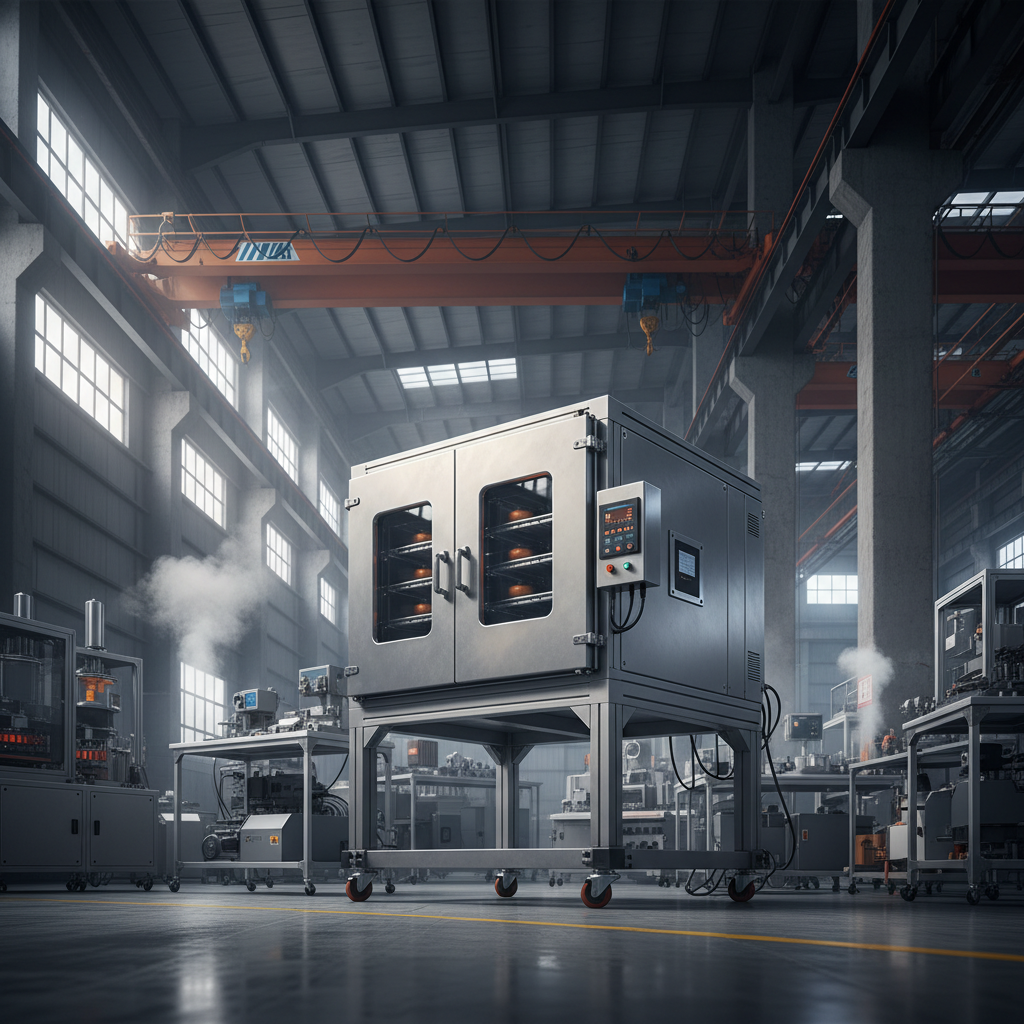
Laboratory industrial drying ovens are designed to remove moisture or other volatile substances from samples through the application of controlled heat. They are used extensively in quality control, research and development, material testing, and manufacturing processes. These ovens provide consistent and uniform heating, crucial for reliable and repeatable results. Different models offer varying temperature ranges, capacity, and features to accommodate diverse applications. Key components include a heating element, temperature controller, insulation, and ventilation system. Selecting a model from a trusted manufacturer like CZ Lab Instrument is vital to guarantee performance and durability.
Key Highlights: Precise temperature control, uniform heating, robust construction, and versatile applications make these ovens indispensable in many industries.
Common Applications of Drying Ovens
The versatility of laboratory industrial drying ovens makes them useful across numerous fields. In the pharmaceutical industry, they're used for drying raw materials and finished products. Food science utilizes them for moisture content analysis and preservation. Materials science employs them for preparing samples for testing and analysis. Chemical laboratories utilize them for solvent evaporation and compound drying. Environmental monitoring relies on them for sample preparation. The ability to precisely control temperature is critical in each of these applications, ensuring accuracy and safety. A quality oven from CZ Lab Instrument provides the consistent performance required for these demanding tasks.
Application Benefits:
• Precise drying and heating
• Consistent and reliable results
• Improved sample preparation
• Enhanced quality control
Laboratory Industrial Drying Oven: Types and Features
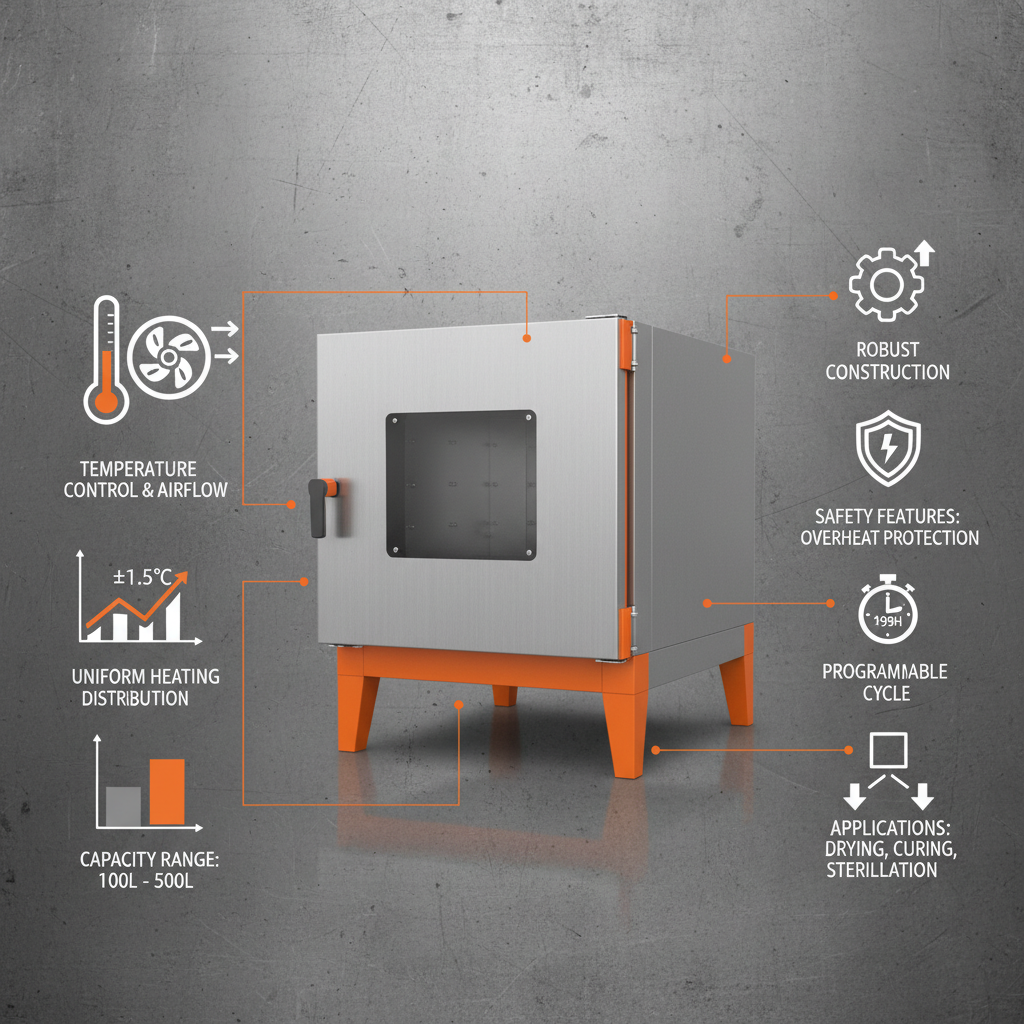
Different types of drying ovens cater to specific needs. Convection ovens use a fan to circulate heated air, ensuring uniform temperature distribution. Gravity convection ovens rely on natural air circulation, which is slower but suitable for less demanding applications. Vacuum ovens remove air from the chamber, lowering the boiling point of liquids and allowing for drying at lower temperatures. Key features to consider include temperature range, chamber size, temperature control accuracy, ventilation system, and safety features like over-temperature protection. A detailed comparison of these features can help you choose the best oven for your laboratory.
Selecting the Right Drying Oven: Key Considerations
Choosing the ideal laboratory industrial drying oven requires careful consideration of your specific requirements. Assess the types of materials you'll be drying, the required temperature range, and the desired level of precision. Chamber size is also crucial; ensure it can accommodate your largest samples. Look for features like digital temperature controllers, programmable timers, and safety mechanisms like over-temperature protection. The build quality and materials used affect durability and longevity. CZ Lab Instrument offers a wide range of models to suit diverse laboratory needs.
Conclusion: Investing in Quality for Reliable Results
A Laboratory Industrial Drying Oven is a fundamental tool for various scientific and industrial processes. Investing in a high-quality oven from a reputable manufacturer like CZ Lab Instrument ensures accurate temperature control, consistent performance, and long-term reliability. Prioritizing these factors will streamline your workflows and deliver dependable results.
Frequently Asked Questions (FAQs)
What safety features should I look for in a drying oven?
Essential safety features include over-temperature protection, which automatically shuts off the oven if the temperature exceeds a pre-set limit. A door safety switch prevents operation when the door is open, minimizing heat loss and potential hazards. Consider models with alarms to alert you to temperature deviations or malfunctions. Also, ensure the oven has proper ventilation to remove any potentially harmful fumes. These features are crucial for protecting personnel and maintaining a safe laboratory environment.
How do I calibrate a laboratory drying oven?
Calibration involves verifying the oven's temperature accuracy using a calibrated thermometer or temperature probe. Place the probe inside the oven and compare the reading to the set temperature. If there's a discrepancy, adjust the oven's temperature controller according to the manufacturer's instructions. Regular calibration is essential to ensure accurate results, and it should be performed at least annually or after any major maintenance. Record the calibration results for documentation purposes.
What is the difference between convection and vacuum drying?
Convection drying uses heated air to evaporate moisture, making it suitable for most samples. Vacuum drying, however, lowers the boiling point of liquids by reducing the pressure, allowing for drying at lower temperatures. This is ideal for heat-sensitive materials or samples that may oxidize in the presence of air. Vacuum drying is also more efficient at removing moisture from porous materials. The choice depends on the properties of the substance being dried.


