
Comprehensive Guide to Laboratory Resistance Furnace Selection and Applications
Laboratory Resistance Furnace: A Comprehensive Guide
A Laboratory Resistance Furnace is a crucial piece of equipment in many scientific and industrial settings. These furnaces provide controlled, high-temperature environments for a variety of applications, including materials testing, heat treatment, and chemical analysis. Selecting the right furnace depends heavily on the specific requirements of your research or production process. This article will explore the key features, types, applications, and considerations when choosing a laboratory resistance furnace, with a focus on quality and reliability. We’ll delve into what makes a superior furnace and how to choose the best option for your needs.
Understanding Laboratory Resistance Furnace Technology
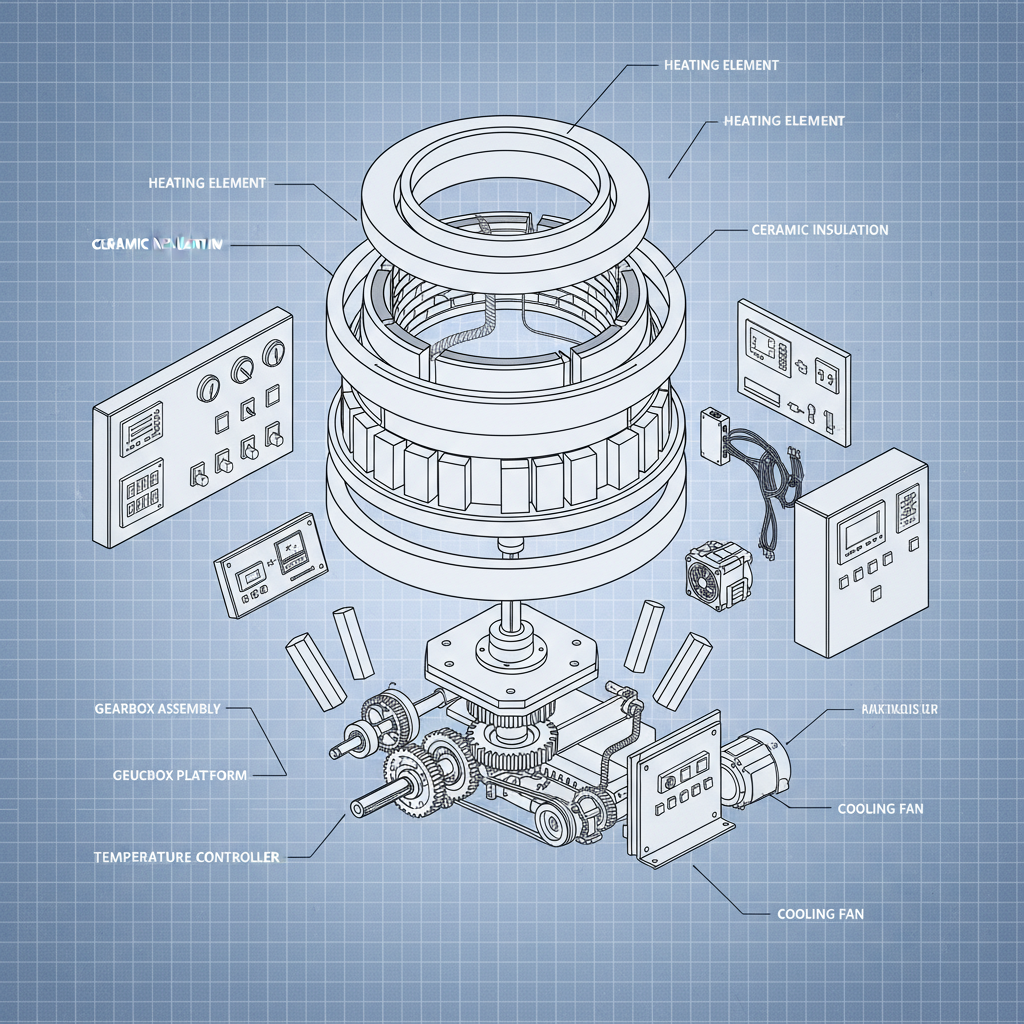
Resistance furnaces operate by passing an electric current through a high-resistance heating element, typically made of materials like Nichrome, silicon carbide, or molybdenum disilicide. The resistance to the current flow generates heat. These furnaces are valued for their relatively simple construction, precise temperature control, and ability to reach high temperatures. The temperature is managed through feedback control systems, often employing thermocouples and sophisticated controllers. Different heating elements offer different maximum temperatures and operating characteristics. Understanding these differences is key to selecting the right furnace for your application. CZ Lab Instrument offers a diverse range of resistance furnaces to meet various requirements.
Key Benefits: Precise temperature control, high-temperature capabilities, relatively simple operation, and versatile applications.
Types of Laboratory Resistance Furnaces
Laboratory resistance furnaces come in several configurations, each suited for different needs. Tube furnaces are ideal for processing materials in a controlled atmosphere, like sintering or reducing gases. Chamber furnaces provide larger workspaces for accommodating multiple samples or larger items. Top-loading furnaces offer easy access for sample loading and unloading. Split-furnace designs allow for the controlled heating of samples while applying an external force or gas flow. Choosing the appropriate type depends on the sample size, desired atmosphere, and experimental setup. Explore furnace types at CZ Lab Instrument.
Furnace Type Overview:
• Tube Furnaces: Ideal for controlled atmospheres and long samples.
• Chamber Furnaces: Offer larger workspaces for multiple samples.
• Top-Loading Furnaces: Provide easy access to the heating chamber.
• Split-Furnace: Allows for controlled heating and external influences.
Laboratory Resistance Furnace Applications
The applications of laboratory resistance furnaces are incredibly diverse. Materials science utilizes them for heat treatment, annealing, and sintering of metals, ceramics, and composites. Chemical research employs them for calcination, decomposition, and drying of compounds. Pharmaceutical industries use them for the synthesis and characterization of drug substances. Quality control laboratories use them for determining ash content and performing thermal stability tests. From academic research to industrial production, these furnaces are essential tools.
Selecting the Right Laboratory Resistance Furnace
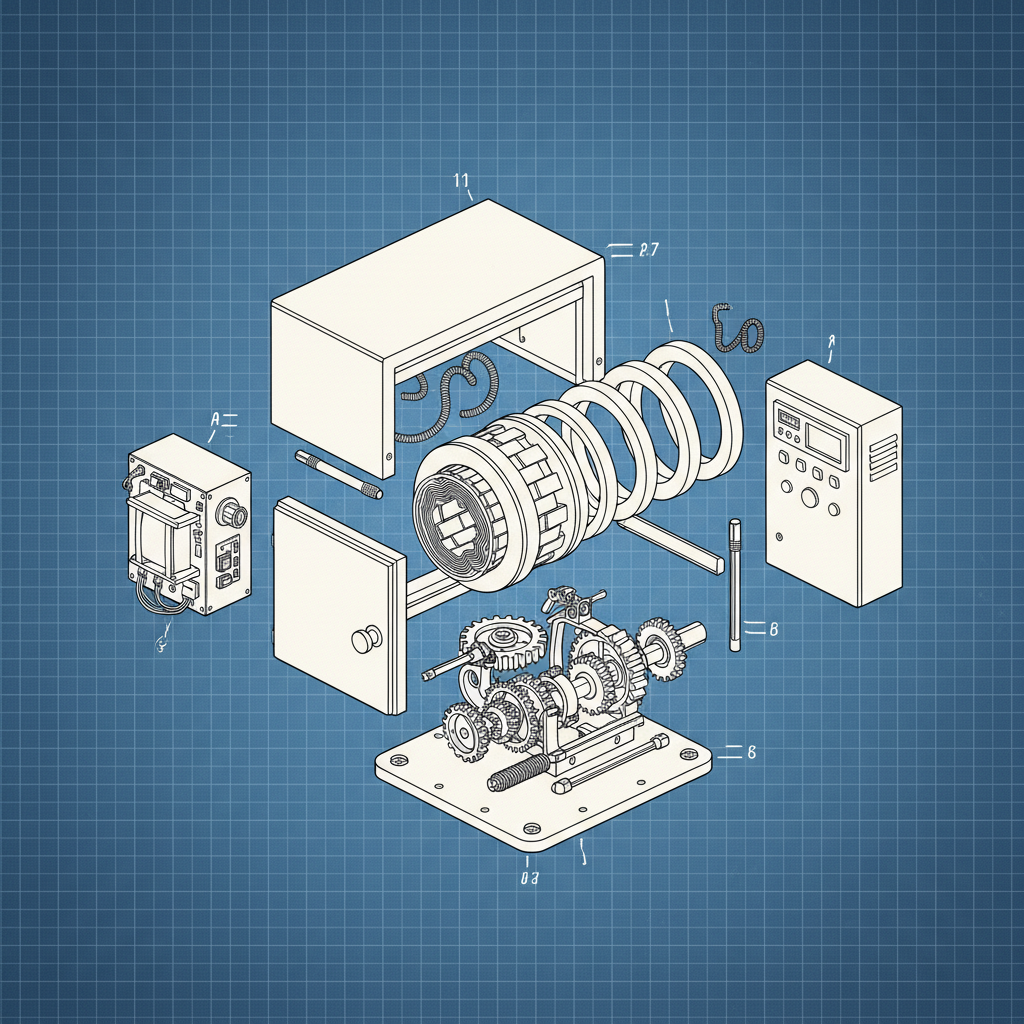
Choosing the right furnace requires careful consideration of several factors. Maximum temperature, chamber size, atmosphere control (inert gas, vacuum, etc.), temperature uniformity, and programming capabilities are all important. Consider the long-term reliability and support offered by the manufacturer. CZ Lab Instrument provides expert guidance to help you select the ideal furnace for your specific application. Look for features like digital controllers, programmable ramping rates, and safety interlocks.
Conclusion: Investing in a Reliable Laboratory Resistance Furnace
A Laboratory Resistance Furnace is a significant investment for any research or industrial facility. Prioritizing quality, reliability, and appropriate features will ensure optimal performance and long-term value. Don't hesitate to consult with experts like those at CZ Lab Instrument to make an informed decision.
Frequently Asked Questions (FAQs)
What is the typical lifespan of a laboratory resistance furnace?
The lifespan of a laboratory resistance furnace typically ranges from 5 to 10 years, depending on usage frequency, operating temperature, and maintenance practices. Regular maintenance, such as checking heating elements and insulation, can significantly extend the furnace's lifespan. The quality of the components used in the furnace also plays a crucial role. Higher-quality furnaces, like those offered by CZ Lab Instrument, are built with durable materials and components designed for long-term reliability.
Can laboratory resistance furnaces be used with different atmospheres?
Yes, many laboratory resistance furnaces can be adapted for use with different atmospheres, such as inert gases (argon, nitrogen) or reducing gases (hydrogen). However, it's crucial to select a furnace specifically designed for controlled atmosphere operation, as not all furnaces are suitable. These furnaces typically feature gas-tight chambers and appropriate gas inlet and outlet connections. Ensure the heating element material is compatible with the desired atmosphere.
What safety features should I look for in a laboratory resistance furnace?
Essential safety features include over-temperature protection, which automatically shuts off the furnace if the set temperature is exceeded. A door interlock prevents operation when the furnace door is open. Proper insulation minimizes external surface temperature. Consider furnaces with alarms or warning systems to alert users to potential issues. CZ Lab Instrument furnaces prioritize safety and incorporate these features.
How important is temperature uniformity?
Temperature uniformity is critical for many applications, especially those requiring precise heat treatment. It refers to how evenly the temperature is distributed throughout the furnace chamber. A furnace with good temperature uniformity ensures that all samples are heated consistently, leading to more reliable and repeatable results. The quality of the heating elements, insulation, and chamber design all contribute to temperature uniformity.


