
Comprehensive Guide to Resistance Furnace Technology and Industrial Applications
Understanding Resistance Furnaces: A Comprehensive Guide
Resistance furnaces are essential tools in a variety of industries, from materials science and heat treating to ceramics and jewelry making. They utilize electrical resistance heating to achieve high temperatures, offering precise control and efficient operation. This article provides an in-depth look at resistance furnaces, exploring their principles, types, applications, benefits, and selection criteria. Understanding these furnaces is crucial for optimizing processes and ensuring quality control. Explore our comprehensive range of laboratory instruments, including advanced furnaces, at CZLab Instrument.
How Do Resistance Furnaces Work?
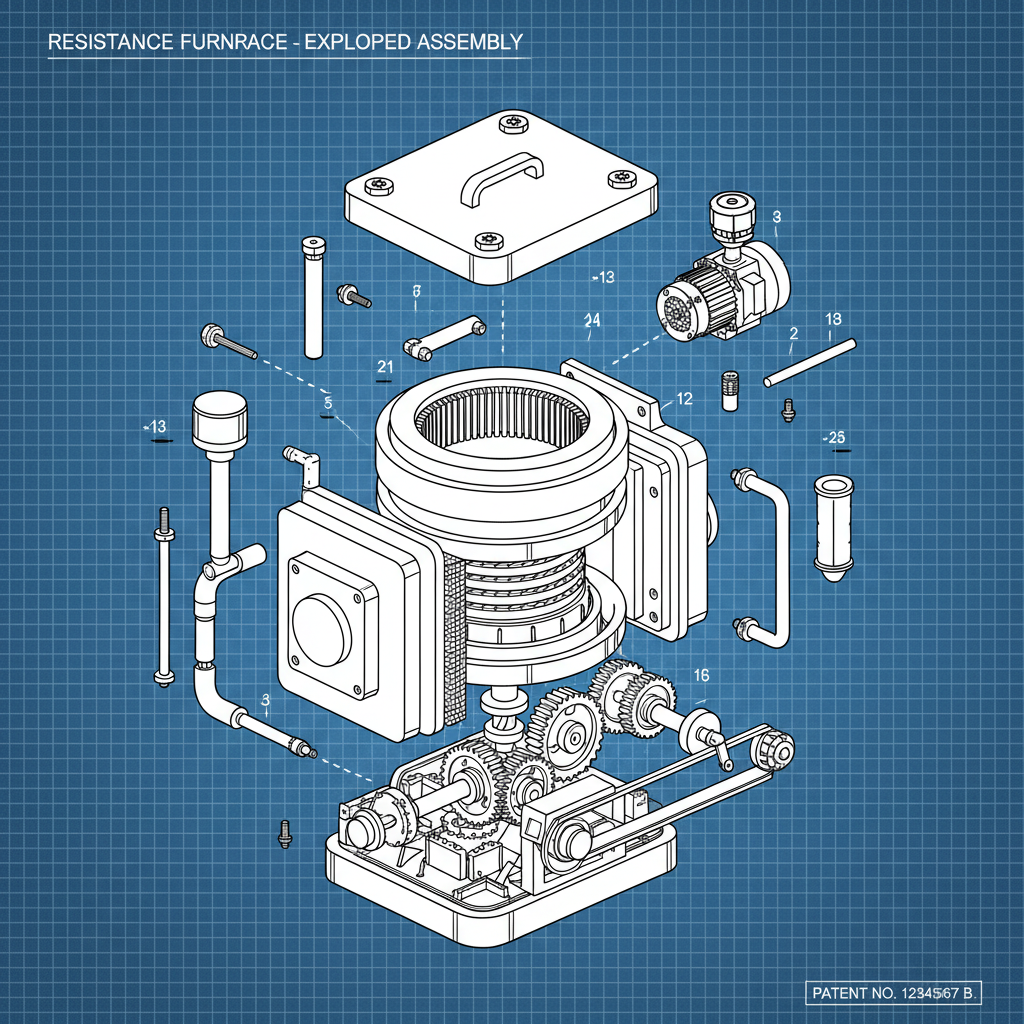
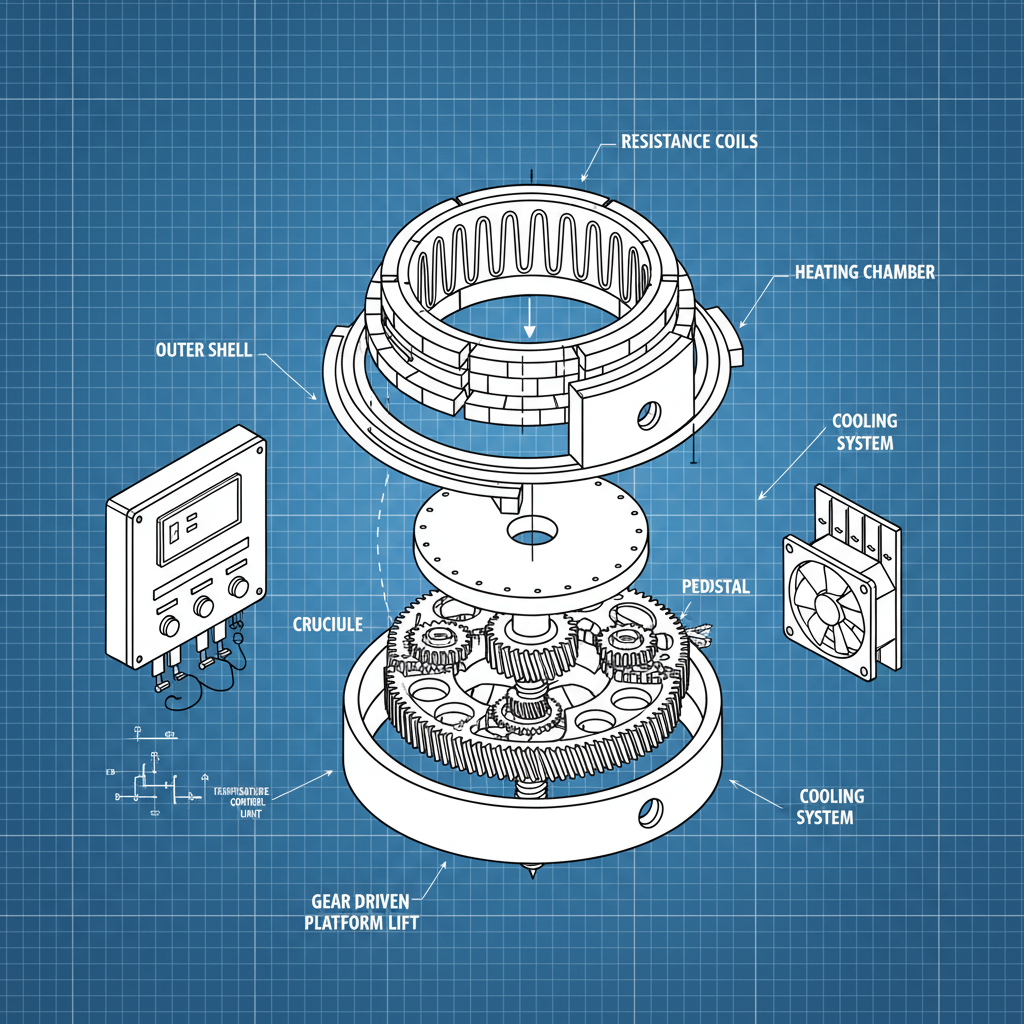
The core principle of a resistance furnace involves passing an electric current through a resistive heating element. This element, typically made of materials like nichrome (nickel-chromium alloy), tungsten, or silicon carbide, resists the flow of electricity, converting electrical energy into heat. The amount of heat generated is directly proportional to the resistance and the square of the current (Joule’s Law: Q = I²Rt). The furnace chamber is insulated to retain this heat, reaching the desired temperature for the specific application. Precise temperature control is achieved through feedback mechanisms like thermocouples connected to sophisticated controllers.
Key Takeaway: Resistance furnaces offer precise temperature control and efficient heating through the conversion of electrical energy into heat via resistive elements.
Types of Resistance Furnaces
Resistance furnaces come in various designs to suit specific applications. Common types include box furnaces, tube furnaces, crucible furnaces, and high-temperature furnaces. Box furnaces are general-purpose and ideal for heat treating large batches. Tube furnaces are used for continuous processing of materials in a tubular form. Crucible furnaces are designed for melting materials in crucibles. High-temperature furnaces, utilizing materials like silicon carbide, can reach extremely high temperatures for specialized applications. The choice depends on factors like sample size, required temperature, and process requirements.
Furnace Type Comparison:
• Box Furnace: General purpose, large batch processing.
• Tube Furnace: Continuous processing, tubular samples.
• Crucible Furnace: Melting materials, crucible containment.
• High-Temperature Furnace: Extreme temperatures, specialized materials.
Applications of Resistance Furnaces
Resistance furnaces have a wide range of applications across various industries. In materials science, they are used for annealing, sintering, and heat treating metals, ceramics, and polymers. The electronics industry utilizes them for semiconductor processing and component manufacturing. The chemical industry employs them for calcination and drying processes. Jewelry making relies on resistance furnaces for casting and soldering. Furthermore, they are crucial in research and development for studying material properties at elevated temperatures. Find the ideal furnace for your needs at CZLab Instrument.
Key Considerations When Choosing a Resistance Furnace
Selecting the right resistance furnace requires careful consideration of several factors. Maximum temperature is a primary concern, dictated by the materials being processed. Chamber size must accommodate the sample volume. Atmosphere control (e.g., inert gas, vacuum) may be necessary for certain applications. Temperature uniformity and accuracy are critical for consistent results. Finally, programmability and control features determine the ease of operation and automation. At CZLab Instrument, we offer expert guidance in selecting the optimal furnace for your specific needs.
Benefits of Using Resistance Furnaces
Resistance furnaces offer numerous advantages. They provide precise temperature control, ensuring consistent and repeatable results. They are generally energy-efficient compared to other heating methods. They offer versatility, accommodating a wide range of materials and applications. They are relatively simple to operate and maintain. They also provide good temperature uniformity, minimizing variations within the chamber. These benefits make them a preferred choice for many industrial and research applications.
Conclusion: Investing in Quality Resistance Furnace Technology
Choosing the right resistance furnace is critical for achieving optimal results in your processes. CZLab Instrument provides a comprehensive selection of high-quality, reliable furnaces designed to meet your specific requirements. With our expert support and commitment to innovation, you can trust us to deliver the solutions you need. Explore our range of furnaces today at CZLab Instrument.
Frequently Asked Questions (FAQs)
What is the typical lifespan of a resistance heating element?
The lifespan of a resistance heating element varies based on operating temperature, voltage fluctuations, and atmospheric conditions. Generally, nichrome elements can last for several thousand hours. However, continuous operation at high temperatures or exposure to corrosive atmospheres can shorten their lifespan. Regular visual inspections for cracks or breaks are recommended. CZLab Instrument offers replacement elements and maintenance services to ensure optimal furnace performance. Proper voltage control and atmospheric protection can significantly extend element life.
How important is insulation in a resistance furnace?
Insulation is critically important in a resistance furnace. Effective insulation minimizes heat loss, reducing energy consumption and maintaining a stable chamber temperature. Different types of insulation materials, such as ceramic fiber or mineral wool, are used depending on the operating temperature and atmosphere. Poor insulation leads to increased energy costs, temperature fluctuations, and potentially damage to the furnace components. The quality of insulation directly impacts the furnace’s efficiency and performance.
Can resistance furnaces be used with different atmospheres?
Yes, many resistance furnaces can be adapted for use with different atmospheres. This is often achieved by sealing the chamber and introducing an inert gas, such as argon or nitrogen, or creating a vacuum. Controlling the atmosphere is crucial for certain applications, such as preventing oxidation or facilitating specific chemical reactions. Furnaces designed for controlled atmospheres typically include gas inlets, outlets, and pressure control systems.
What safety precautions should be taken when operating a resistance furnace?
Operating a resistance furnace requires strict adherence to safety precautions. Always wear appropriate personal protective equipment (PPE), including heat-resistant gloves and eye protection. Ensure proper ventilation to prevent the buildup of fumes or gases. Never touch the furnace chamber while it is hot. Follow the manufacturer’s instructions carefully. Regularly inspect the furnace for any signs of damage or malfunction. Implement lockout/tagout procedures during maintenance or repair.


