
Exploring Vacuum Chambers Applications Types and Benefits for Optimal Results
Understanding Vacuum Chambers: Applications, Types & Benefits
A vacuum chamber is a sealed enclosure from which gases have been removed, creating a partial vacuum. These chambers are indispensable tools in a vast array of scientific, industrial, and research applications. From materials science and semiconductor manufacturing to packaging and degassing, the ability to control the atmospheric environment is paramount. This article will delve into the world of vacuum chambers, exploring their types, benefits, and key considerations when selecting the right chamber for your needs. Investing in the right vacuum chamber is crucial for achieving optimal results and ensuring the integrity of your processes.
The Core Benefits of Using Vacuum Chambers
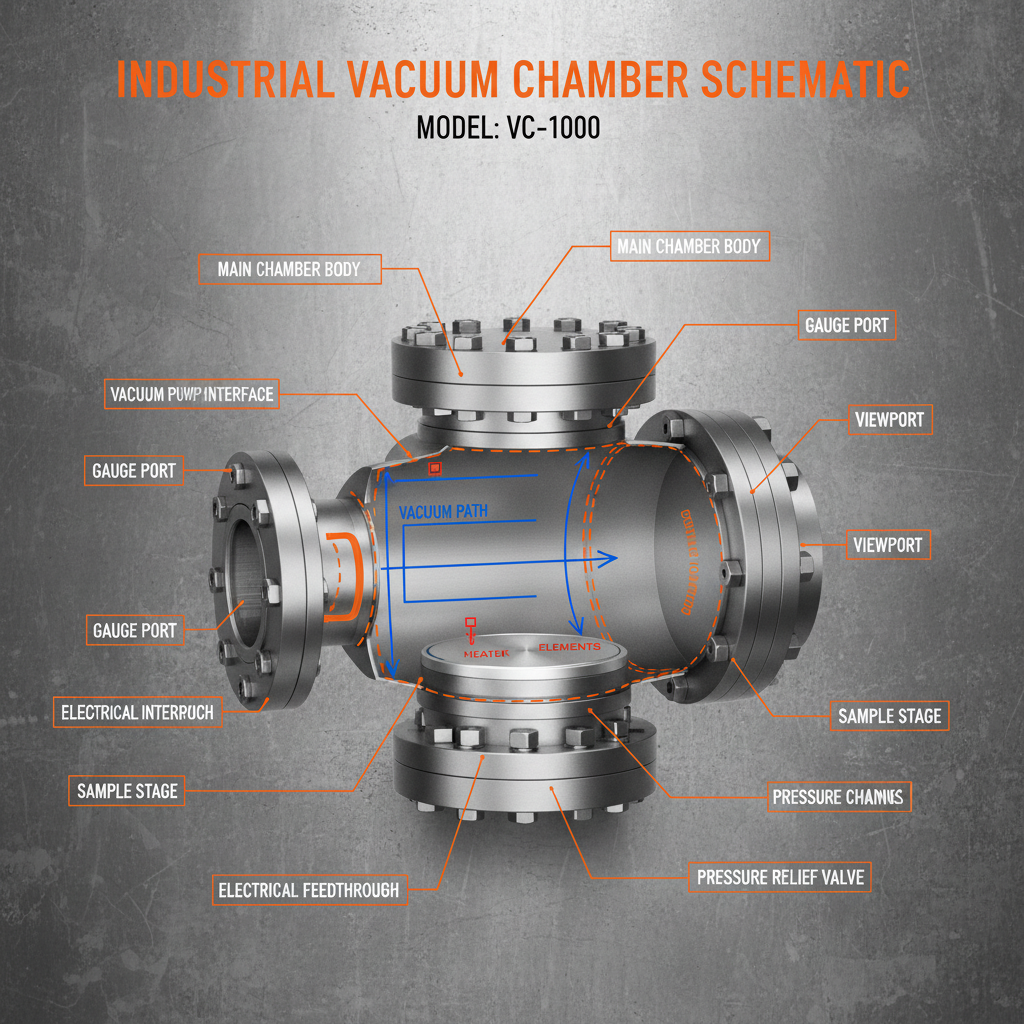
Employing a vacuum chamber offers a multitude of benefits across various fields. Primarily, it eliminates unwanted atmospheric interference, allowing for precise control over chemical reactions and material processing. Reduced atmospheric pressure minimizes oxidation, contamination, and unwanted gas-phase reactions. This is particularly critical in semiconductor manufacturing where even trace amounts of impurities can compromise device performance. Furthermore, vacuum chambers enable processes that are simply impossible at atmospheric pressure, such as evaporation and sputtering. The ability to control the environment enhances product quality, improves process efficiency, and opens up possibilities for innovative research.
Key Advantages: Eliminates atmospheric interference, reduces oxidation, enables unique processes, enhances product quality, and improves process efficiency.
Types of Vacuum Chambers: A Comprehensive Overview
Vacuum chambers aren't one-size-fits-all. They come in various configurations tailored to specific applications. Bell Jar Chambers are a classic design, utilizing a glass or acrylic bell jar sealed onto a base plate. These are often used for simple degassing and coating applications. Rectangular Chambers provide more internal volume and are often preferred for larger-scale experiments and industrial processes. Spherical Chambers offer optimal pressure distribution and are used in high-vacuum applications. Glove Boxes are sealed environments with access ports for manipulating materials in a controlled atmosphere. Selecting the appropriate chamber type depends on factors like size requirements, pressure levels, and specific process needs.
Common Vacuum Chamber Types:
• Bell Jar Chambers
• Rectangular Chambers
• Spherical Chambers
• Glove Boxes
Vacuum Chamber Applications: From Research to Industry
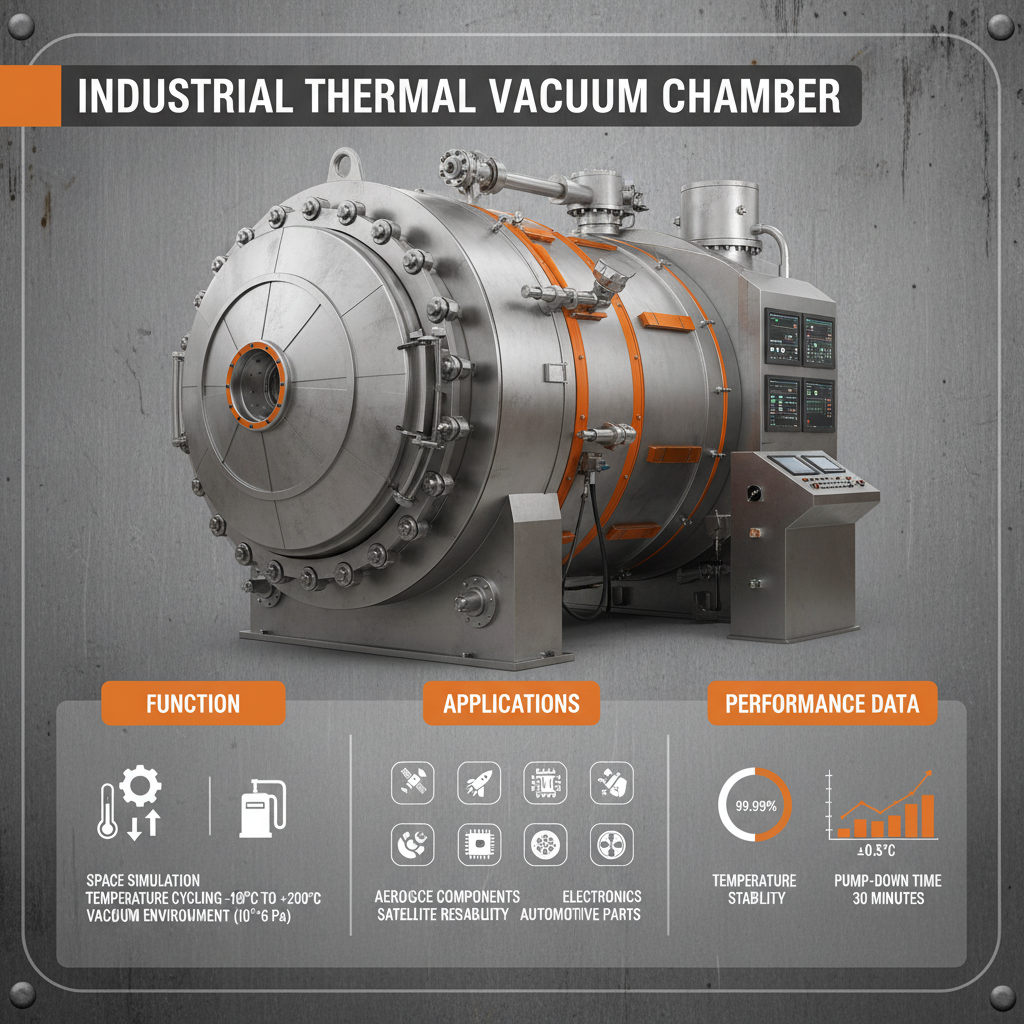
The applications of vacuum chambers are remarkably diverse. In semiconductor manufacturing, they are used for thin film deposition, etching, and ion implantation. Materials science relies on them for studying material properties at low pressures and for creating novel materials. Packaging utilizes vacuum chambers for Modified Atmosphere Packaging (MAP), extending the shelf life of food products. Degassing removes dissolved gases from liquids, improving their performance in applications like epoxy resins and hydraulic fluids. Furthermore, they’re used in metallurgy for vacuum brazing and sintering, and in space simulation to test the performance of equipment in vacuum conditions.
Choosing the Right Vacuum Chamber: Key Considerations
Selecting the ideal vacuum chamber requires careful consideration of several factors. The required vacuum level is paramount - different applications demand different levels of vacuum. Chamber size and shape should be determined by the size and shape of the samples or components being processed. The type of vacuum pump needed (rotary vane, turbomolecular, etc.) depends on the desired vacuum level and pumping speed. Material compatibility with the process gases and samples is also critical. Finally, consider features like viewports, feedthroughs, and heating/cooling options. Partnering with a reputable supplier like CZ Lab Instrument ensures you receive a chamber tailored to your specific needs.
Conclusion: Enhancing Processes with Vacuum Technology
Investing in a high-quality vacuum chamber unlocks a wealth of possibilities for research, development, and industrial applications. From precise control over atmospheric environments to enabling groundbreaking scientific discoveries, the benefits are undeniable. By carefully considering your specific needs and partnering with an experienced supplier like CZ Lab Instrument, you can ensure a successful implementation and maximize the value of your investment.
Frequently Asked Questions (FAQs)
What is the difference between rough vacuum and high vacuum?
Rough vacuum, typically achieved with rotary vane pumps, ranges from atmospheric pressure down to about 1 Torr. It’s commonly used for degassing and rough pumping applications. High vacuum, achieved with turbomolecular pumps or diffusion pumps, goes below 1 Torr, often reaching levels of 10-6 Torr or even lower. High vacuum is required for applications demanding ultra-clean environments, such as surface analysis, semiconductor manufacturing, and space simulation. The choice depends on the specific process requirements and the level of cleanliness needed.
What are common vacuum chamber materials?
Stainless steel is the most common material for vacuum chambers due to its durability, resistance to corrosion, and low outgassing rate. Aluminum is used for lighter-weight chambers, particularly in applications where thermal conductivity is important. Glass and acrylic are used for bell jar chambers, offering visibility but are limited by their pressure rating. The choice of material depends on the pressure requirements, the process gases used, and the desired level of cleanliness.
How do I maintain a vacuum chamber?
Regular maintenance is crucial for ensuring optimal performance and longevity. This includes cleaning the chamber interior to remove contaminants, checking for leaks using a helium leak detector, inspecting and replacing seals and o-rings, and maintaining the vacuum pump according to the manufacturer's instructions. Proper maintenance prevents vacuum loss, minimizes contamination, and extends the lifespan of the equipment. CZ Lab Instrument offers comprehensive support and maintenance services to assist with your chamber upkeep.
What is outgassing and why is it important?
Outgassing refers to the release of gases from the chamber walls, seals, and other internal components. These gases can increase the pressure inside the chamber, reducing the vacuum level and contaminating the process environment. Materials with low outgassing rates, such as stainless steel and certain polymers, are preferred for vacuum applications. Baking the chamber under vacuum can accelerate outgassing, removing adsorbed gases and improving the ultimate vacuum level.


