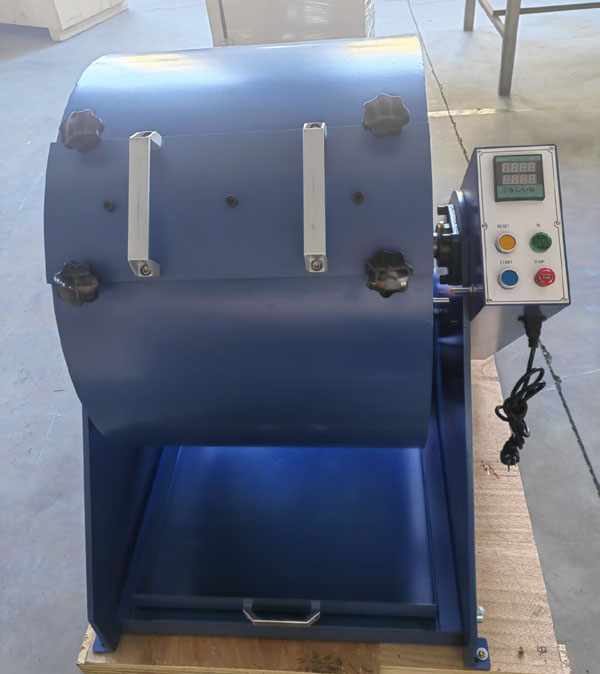
CoarseGrained Soil Electric Compaction Apparatus China Factory Suppliers
Looking for reliable China suppliers? Our factory provides the Lab Coarse-Grained Soil Electric Compaction Apparatus for precise geotechnical analysis. Featuring gear-driven rotation and GBT50123-2019 compliance, it ensures uniform density and superior performance for soil research and quality control.
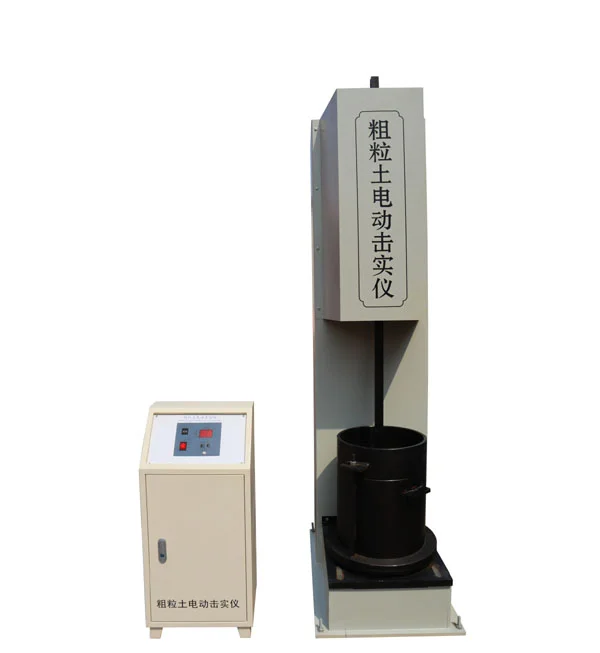
The Lab Coarse-Grained Soil Electric Compaction Apparatus is a high-precision instrument engineered for the stabilization and density testing of gravel and sand. Developed in strict accordance with GB/T50123-2019 and DL/T5356-2006 standards, this equipment is essential for ensuring the structural integrity of foundations in civil engineering and hydropower projects. By integrating an innovative gear-driven rotation system, it eliminates common mechanical failures such as hammer dropping or lifting issues found in traditional chain systems.
Designed for professional laboratories, this electric compactor optimizes the compaction process by reducing voids between coarse particles, significantly enhancing the soil's bearing capacity. Whether applied in road construction, bridge foundation preparation, or landfill management, this apparatus provides a sustainable, low-emission, and highly efficient alternative to manual or diesel-powered compaction methods, ensuring uniform density and superior infrastructure resilience.
Detailed Parameters
| Voltage | 380V 50Hz | Motor Power | 750W |
|---|---|---|---|
| Cylinder Inner Diameter | φ300 × 288 mm | Shield Tube | φ300 × height 100mm |
| Compaction Energy | 592.2; 2684.9 KJ/m³ | Hammer Weights | 15.5kg / 35.2kg |
| Hammer Dimensions | φ150mm (Bottom) / 600mm ± 2mm (Height) | Height Tracking Error | ≤ ±1% |
| Strikes per Layer | 1 – 99 times | Overall Dimensions | 770 × 550 × 1860 mm |
Key Advantages
Standard Compliance
Fully compliant with GB/T50123-2019 and DL/T5356-2006 for authoritative geotechnical testing.
High Efficiency
Achieves optimal soil density in significantly shorter timeframes compared to manual methods.
Gear Rotation System
Innovated gear-type transmission prevents hammer dropping and ensures smooth vertical movement.
Precision Control
Automatic height tracking with error ≤ ±1% ensures uniform compaction across all layers.
Labor Reduction
Automated striking and lifting cycles reduce operational costs and enhance workplace safety.
Eco-Friendly
Low noise and zero emissions compared to diesel machinery, ideal for modern lab environments.
Product Gallery
Management Platforms
Quality Assurance
Strict adherence to international manufacturing standards for every unit produced.
Technical Support
Expert guidance on equipment calibration and soil testing methodology.
Real-time Monitoring
Integrated tracking of strike counts and height for precise data recording.
Regulatory Compliance
Ensuring all lab results meet the stringent requirements of geotechnical codes.
Logistics Management
Secure industrial packaging ensuring safe delivery of heavy laboratory machinery.
Maintenance Plans
Scheduled servicing to maintain gear precision and motor efficiency.
Investment Return Comparison
| Metric | Traditional Manual Method | Electric Compactor System |
|---|---|---|
| Processing Time | High (Labor Intensive) | Very Low (Automated) |
| Data Accuracy | Subjective / Variable | High / Standardized |
| Labor Costs | HighRecurring Expense | Low Operational Cost |
| Consistency | Low (Human Error) | Exceptional (Electronic Control) |
| Environmental Impact | High Noise/Dust | Low Noise / Clean Energy |
Frequently Asked Questions
The equipment is developed according to the Chinese standard GB/T50123-2019 "Standard for Geotechnical Testing Methods" and the power industry standard DL/T5356-2006.
The gear rotation system avoids common failures associated with chain-type transmissions, specifically preventing the hammer from dropping or becoming stuck during the lift cycle.
Yes, it is specifically designed for coarse-grained soils, which include gravel and sand, ensuring high bearing capacity and stability.
The system utilizes electronic sensors to track the compaction height in real-time, maintaining a strict error margin of ≤ ±1% for consistent results.
Common applications include road and highway construction, foundation preparation for bridges and buildings, and maximizing space efficiency in landfills.
The apparatus requires a 380V 50Hz power supply and is equipped with a 750W motor for heavy-duty operation.