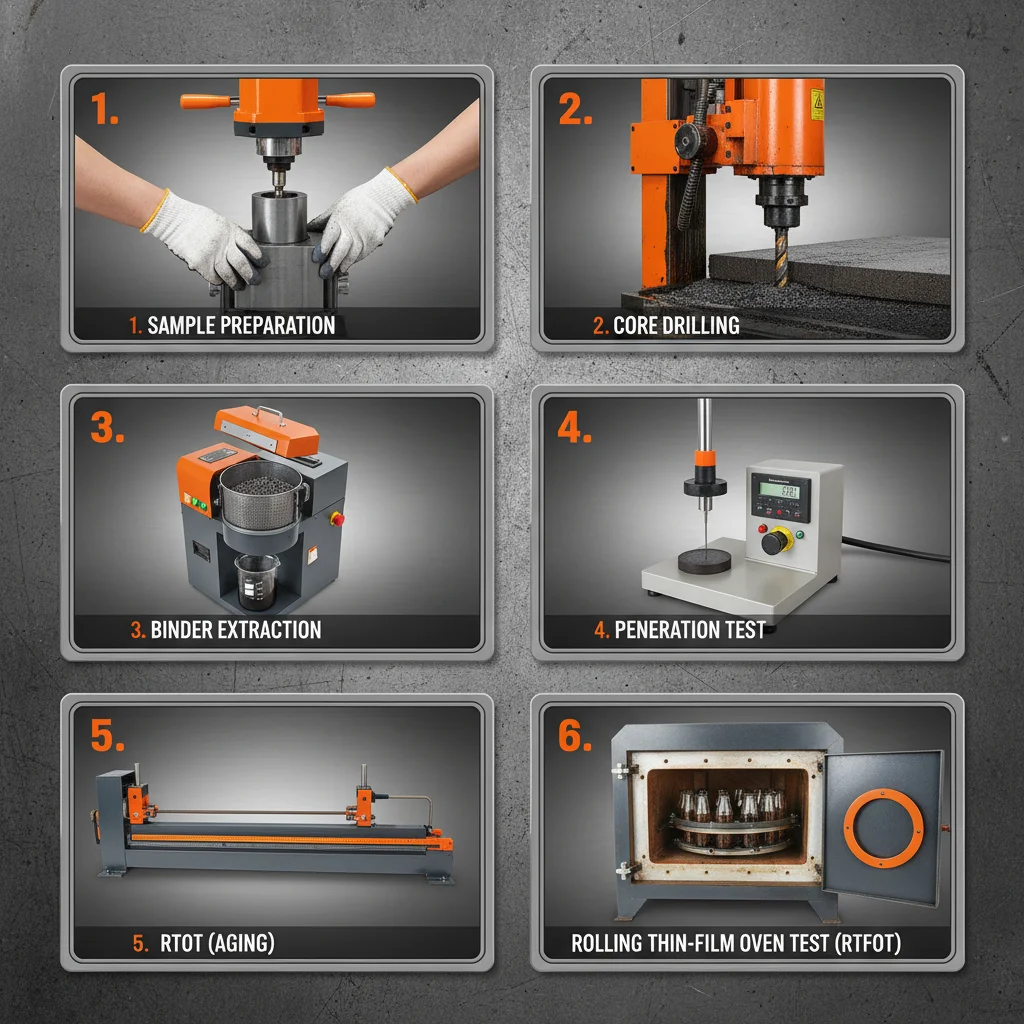
A Jaw Crusher factory specializes in the design and production of primary crushing machinery used to reduce large rocks and ores into smaller, manageable sizes. These facilities integrate heavy-duty engineering with precision metallurgy to ensure that the equipment can withstand extreme compressive forces while maintaining structural integrity during continuous industrial operations.
In the broader context of material testing and processing, the efficiency of a crushing plant directly impacts the quality of downstream analysis. Whether for mining, construction, or laboratory sample preparation, the ability to achieve consistent particle size reduction is critical for ensuring that materials meet national and international standards for testing and application.
This comprehensive guide examines the technical operational requirements of jaw crushing systems, evaluates the selection criteria for industrial procurement, and provides an analysis of how specialized instrument manufacturing enhances the precision of material processing in modern industrial laboratories.

1Core Mechanics of Jaw Crusher factory Systems

The fundamental principle of a jaw crusher is the application of compressive force between a fixed jaw and a moving jaw. As the eccentric shaft rotates, the moving jaw pushes the material against the fixed plate, crushing the ore through a "V" shaped chamber. This mechanism is designed specifically for primary crushing, handling the largest feed sizes before materials are passed to secondary or tertiary crushers.
Efficiency in a Jaw Crusher factory depends heavily on the angle of the jaw plates and the stroke length of the moving jaw. A well-engineered system minimizes "pancaking," where material is compressed without fracturing, by optimizing the crushing chamber's geometry to encourage natural flow and gravity-fed discharge.
Furthermore, the integration of high-strength manganese steel ensures that the jaws can handle abrasive materials without premature wear. The structural frame must be cast or welded to withstand the cyclic loading and vibration inherent in heavy-duty crushing operations.
2Technical Specifications and Material Selection
The selection of materials for crushing plates is the most critical technical decision in a Jaw Crusher factory. Most manufacturers utilize Hadfield manganese steel due to its work-hardening properties; the more the material is impacted, the harder the surface becomes, which significantly extends the lifespan of the wear parts.
From a structural perspective, the flywheel design is essential for maintaining momentum. By storing kinetic energy, the flywheel allows the crusher to handle sudden surges of hard material without stalling the motor, ensuring a constant throughput and reducing mechanical stress on the drive belt and bearings.
Precision engineering also extends to the lubrication system. Automated grease injection systems are now standard in high-capacity factories to reduce friction in the eccentric shaft bearings, which are subject to extreme pressure and heat during continuous 24-hour operation cycles.
3Industrial Applications and Workflow Integration
Jaw crushers are indispensable in mining, quarrying, and recycling industries. In mining, they serve as the first stage of the comminution process, breaking down run-of-mine ore into a size suitable for cone crushers or SAG mills. In construction, they process reclaimed concrete and asphalt for reuse in road foundations.
Integrating these machines into a workflow requires careful planning of the feed hopper and conveyor systems. Overfeeding can lead to bridging, where large rocks block the mouth of the crusher, while underfeeding reduces the overall plant efficiency and increases the cost per ton of material processed.
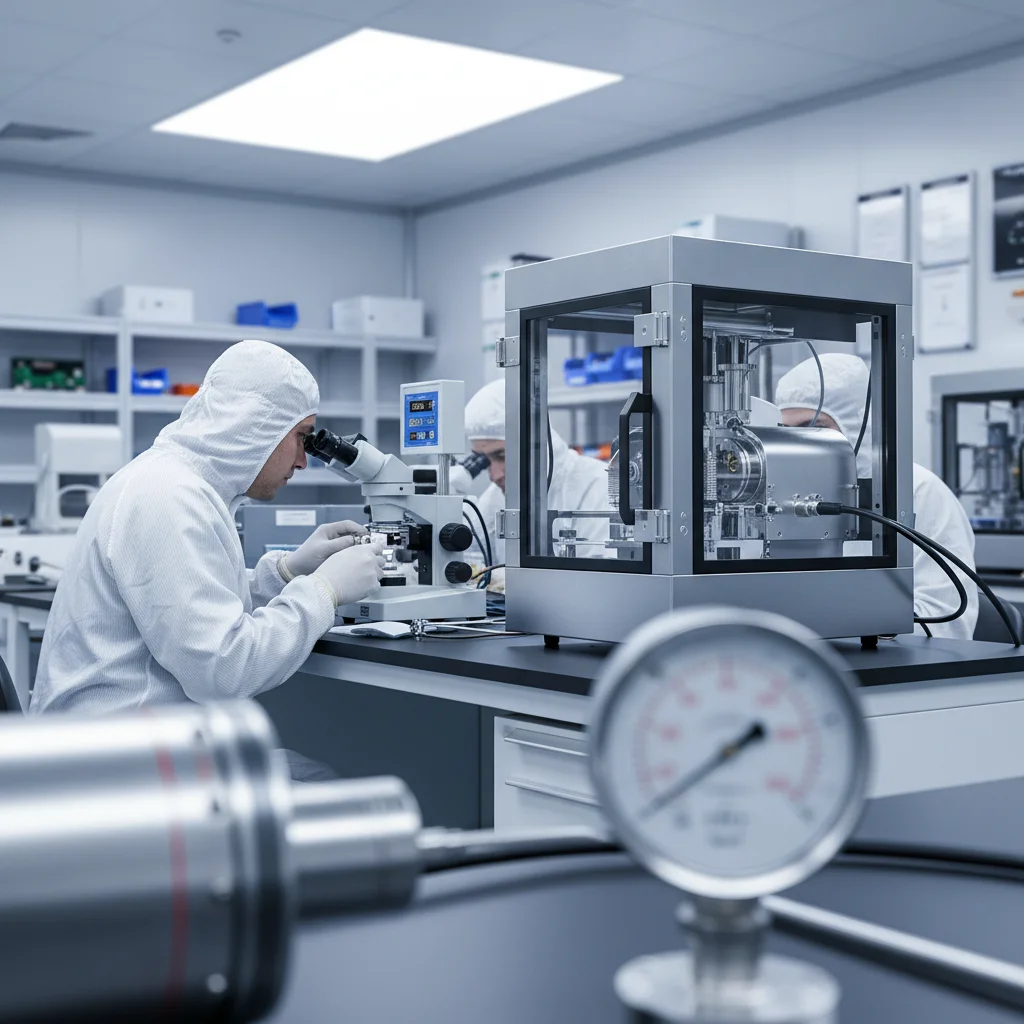
In laboratory settings, micro-jaw crushers are used for sample preparation. These smaller units must ensure that the sample is reduced to a specific size without introducing contamination from the crushing plates, which is vital for accurate chemical analysis and geotechnical testing.
4Performance Metrics and Efficiency Analysis
Evaluating a Jaw Crusher factory requires looking beyond the maximum capacity (tons per hour). Key performance indicators include the reduction ratio—the ratio of the feed size to the product size—and the energy consumption per ton. A higher reduction ratio reduces the load on secondary crushers, lowering total system energy costs.
Mechanical availability is another critical metric. The time required for jaw plate replacement and the frequency of bearing maintenance directly impact the return on investment. Advanced factories utilize modular designs that allow for the rapid swap of wear parts, reducing downtime from days to hours.
Jaw Crusher factory Performance Metrics
Analyzing the power draw curve helps operators identify "critical size" materials that cause the machine to work harder without increasing throughput. By adjusting the feed size or the CSS, operators can optimize the machine to operate at its peak efficiency point on the power curve.
5Procurement Criteria for Heavy-Duty Machinery
When procuring from a Jaw Crusher factory, buyers must prioritize the compatibility of the machine with the specific hardness (Mohs scale) and abrasiveness of the material. A machine designed for limestone will fail rapidly if used for granite or basalt due to the different wear rates on the manganese steel plates.
The availability of spare parts is a decisive factor. Since jaw plates are consumables, a reliable supply chain for replacements is mandatory. Procurement teams should evaluate the manufacturer's ability to provide customized jaw profiles (e.g., corrugated vs. smooth) to optimize the crushing action for specific ore types.
Additionally, the electrical requirements and motor efficiency ratings (IE3 or IE4) should be reviewed to ensure the facility's power grid can support the startup current (inrush current) of the heavy-duty motors without causing voltage drops across the plant.
6Future Trends in Automated Crushing Technology
The industry is shifting toward "Smart Crushing," where sensors monitor the vibration and acoustic signatures of the jaw crusher in real-time. By using AI-driven diagnostics, factories can predict when a jaw plate is nearing the end of its life or if a bearing is beginning to fail, moving from reactive to predictive maintenance.
Automation is also being applied to the CSS adjustment. Hydraulic adjustment systems now allow operators to change the discharge setting remotely via a PLC interface, eliminating the need for manual shimming and reducing the risk of injury to personnel during machine stops.
Sustainability is becoming a focal point, with newer designs focusing on reducing noise pollution and dust emissions. Integrated dust suppression systems and sound-dampening enclosures are becoming standard requirements for factories operating near urban areas or in environmentally sensitive zones.
7Comparative Analysis of Crushing Solutions
Selecting the right equipment involves comparing the jaw crusher against other primary options like gyratory crushers or impactors. While jaw crushers are superior for hard, abrasive materials, impactors are often preferred for softer materials where a more cubical product shape is required for high-grade concrete.
The following table provides a decision-matrix based on typical industrial requirements, helping procurement teams align the machinery with their specific material properties and production goals.
| Equipment Type | Best Use Case | Main Strength | Primary Limitation |
|---|---|---|---|
| Standard Jaw | Hard Rock / Ore | High Compressive Strength | Linear Product Shape |
| Hydraulic Jaw | Variable Feed | Easy CSS Adjustment | Higher Initial Cost |
| Impact Crusher | Soft Limestone | Excellent Product Shape | High Wear on Abrasives |
| Gyratory Crusher | Ultra-High Volume | Continuous High Throughput | Massive Footprint |
| Lab Jaw Crusher | Sample Prep | High Precision Sizing | Low Capacity |
| Mobile Jaw | On-site Quarrying | Flexibility / Mobility | Lower Stability |
Ultimately, the choice depends on the balance between capital expenditure (CAPEX) and operating expenditure (OPEX). A jaw crusher typically offers a lower entry cost and lower maintenance for hard materials compared to gyratory systems, making it the optimal choice for medium-to-large scale mining operations.
Frequently Asked Questions
Conclusion
The selection and operation of equipment from a Jaw Crusher factory are pivotal to the success of any material processing stream. By focusing on the synergy between material hardness, structural durability, and precise CSS management, operators can maximize throughput while minimizing the total cost of ownership. As the industry moves toward AI-driven predictive maintenance and automated adjustments, the efficiency of primary crushing will continue to rise.
For organizations seeking specialized laboratory or industrial crushing solutions that adhere to strict technical parameters, reviewing professional equipment specifications is essential. Detailed product information and configuration options for related material testing instruments can be explored at www.czlabinstrument.com to ensure optimal system integration.