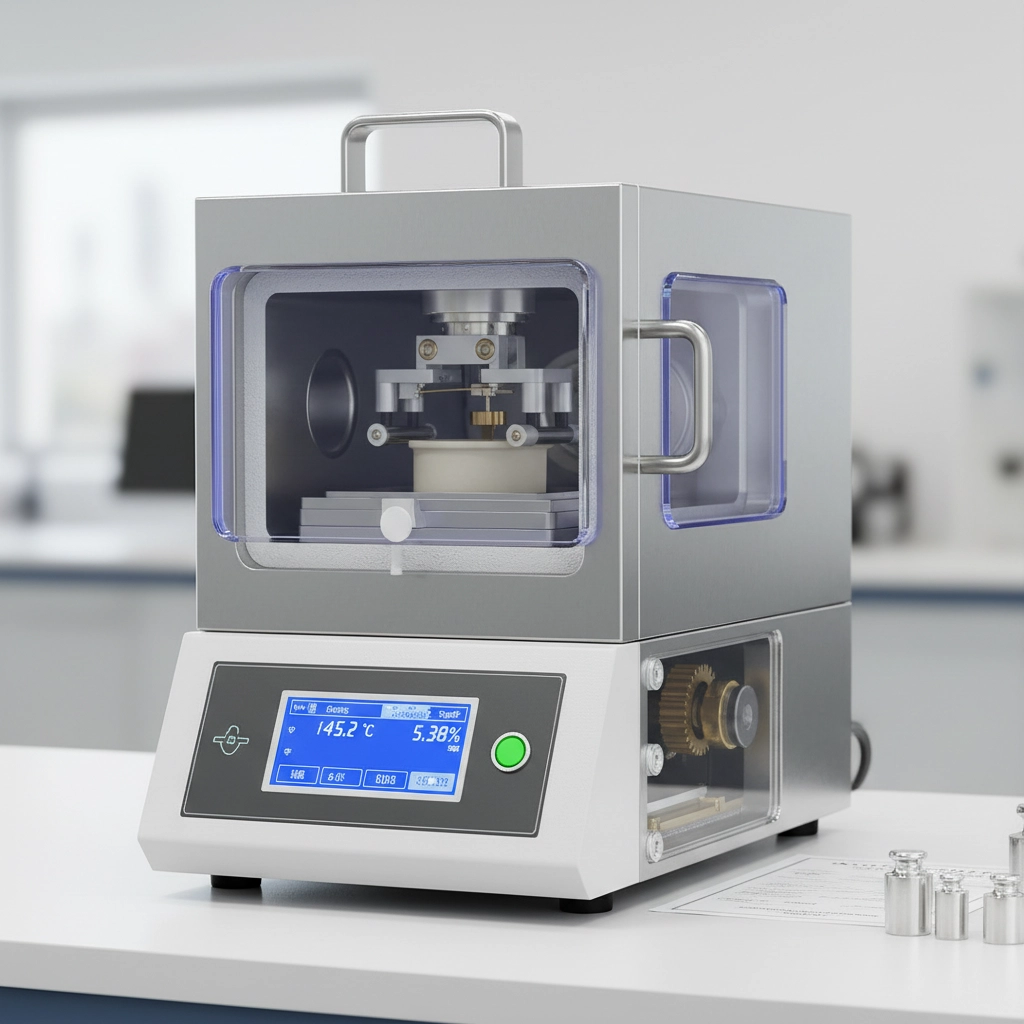
The preparation of high-quality asphalt specimens is a cornerstone of modern pavement engineering, ensuring that roads can withstand immense traffic loads and varying climatic conditions. In the laboratory setting, achieving precise density and stability requires specialized equipment that can simulate real-world compaction energy. This is where the role of a professional Lab Asphalt Mixture Mixer and compactor becomes indispensable for quality control.
Globally, the infrastructure sector is shifting toward more sustainable and durable materials, necessitating rigorous testing protocols to validate new bituminous mixes. From highways in North America to urban roads in Asia, the ability to consistently produce Marshall specimens allows engineers to determine the optimum asphalt content, which directly prevents premature road failure and costly maintenance.
By utilizing a Lab Asphalt Mixture Mixer and the associated Marshall compaction instruments, laboratories can ensure that every sample is uniform, repeatable, and compliant with international standards such as AASHTO and ASTM. This precision not only enhances safety but also optimizes the use of raw materials in large-scale construction projects.

The Role of Lab Asphalt Mixture Mixer in Pavement Engineering
The integration of a Lab Asphalt Mixture Mixer and Marshall compaction system is critical for simulating the stresses that asphalt pavements face during their service life. By applying a standardized amount of energy via a weighted hammer, the equipment allows technicians to evaluate the density and stability of the mix. This process is essential for selecting the correct asphalt binder content, ensuring that the final road surface neither suffers from rutting due to softness nor cracking due to excessive brittleness.
Beyond simple mixing, the precision of the compaction process determines the credibility of Marshall stability and flow value tests. When a laboratory employs a high-quality automatic compactor, it eliminates the variability associated with manual hammering, providing objective data that can be compared across different projects and climatic zones. This scientific approach ensures that infrastructure is built to last, contributing to safer transportation networks worldwide.
Technical Specifications of Marshall Compaction Equipment
To achieve a high degree of accuracy, the equipment must adhere to strict mechanical parameters. For instance, a standard electrical compactor typically features a drop distance of 457±1.5mm and a compaction speed of approximately 60±5 times per minute. These precise movements ensure that the energy transferred to the asphalt specimen is consistent across every single blow, which is fundamental for repeatable laboratory results.
Hammer weights are specifically calibrated to meet international standards, often providing options like 10210g±10g or 4536±9g to accommodate different testing requirements. The use of mold cylinders with diameters of 152.4mm or 101.6mm allows for the production of various specimen sizes, ensuring versatility for different mix designs. This level of detail prevents the introduction of errors during the specimen preparation phase.
Modern units are powered by stable electrical systems, typically 380V/50HZ with a power consumption of around 350W, integrating digital control systems for pre-setting the number of clicks (from 0 to 999 times). The automatic counting and stopping mechanisms significantly reduce operator fatigue and human error, making the Lab Asphalt Mixture Mixer ecosystem far more efficient than traditional manual methods.
Core Components for Consistent Specimen Preparation
The reliability of a Lab Asphalt Mixture Mixer system depends on the synergy between its mechanical and control components. A robust trip mechanism is essential, as it ensures the hammer falls from the exact same height for every stroke, maintaining a constant energy input. This mechanical consistency is what separates professional-grade laboratory instruments from basic industrial equipment.
Supporting the hammer is often an ASTM-compliant oak pedestal or a reinforced metal base, which keeps the hammer in perfect perpendicular alignment to the base. Additionally, a dedicated mold holder is used to keep the cylinder securely positioned, preventing any shifting during the high-impact compaction process. These structural details are vital for maintaining the geometric integrity of the asphalt specimen.
The digital interface provides the final layer of precision, allowing users to preset the exact number of blows required for specific asphalt mix designs. By automating the count and the stop sequence, the Lab Asphalt Mixture Mixer workflow becomes a streamlined process that guarantees that every specimen produced in the lab is an identical representation of the design mix.
Comparing Manual and Automated Compaction Efficiency
When analyzing the transition from manual to automated systems, the most significant gain is in repeatability. Manual compaction relies heavily on the operator's consistency, which can fluctuate due to fatigue or technique. In contrast, an automated system ensures that the hammer weight and drop height are invariant, leading to a much tighter distribution of test results and higher confidence in the stability data.
Furthermore, the throughput of a laboratory increases substantially with automation. Digital presets allow multiple specimens to be prepared in rapid succession without manual counting, which is particularly beneficial for high-frequency testing environments like university research centers or government quality inspection departments.
Comparative Efficiency of Asphalt Preparation Methods
Global Applications and Standard Compliance
The application of the Lab Asphalt Mixture Mixer and Marshall compactor extends far beyond simple road building; it is a global requirement for infrastructure certification. In Europe and North America, compliance with AASHTO T 245 and ASTM D6926 is mandatory for government-funded highway projects. These standards ensure that the road materials used are capable of handling the specific axle loads of the region.
In developing regions, the portability and ease of use of these instruments allow for field testing, enabling engineers to make real-time adjustments to the asphalt mix at the construction site. This flexibility reduces waste and prevents the need for costly teardowns of improperly compacted pavement, proving that high-precision laboratory tools have a direct positive impact on the economic efficiency of civil engineering.
Long-Term Value of High-Precision Laboratory Instruments
Investing in a professional-grade Lab Asphalt Mixture Mixer system offers long-term value by reducing the risk of structural failure in the field. When stability and flow values are accurately measured in the lab, the resulting pavement exhibits higher durability and a longer service life. This translates to fewer potholes and reduced maintenance cycles, which is a significant win for both taxpayers and government agencies.
From an operational standpoint, the use of reinforced structures and high-quality materials in the equipment's construction ensures a long lifespan for the instrument itself. Companies like Cangzhou Blue Beauty Instrument Co., Ltd. emphasize ISO9001 quality management, ensuring that the machines can withstand years of heavy daily use in demanding laboratory environments without losing their calibration.
Moreover, the emotional value of "trust" cannot be overstated. When a construction firm can provide certified test data backed by recognized instrumentation, it builds an unbreakable reputation for quality. This trust allows firms to secure larger, more complex infrastructure contracts, transforming a simple piece of lab equipment into a strategic business asset.
Future Trends in Digital Asphalt Testing Solutions
The future of the Lab Asphalt Mixture Mixer is moving toward full digital transformation and the "Smart Lab" concept. We are seeing an increase in integrated sensors that can monitor compaction energy in real-time, providing a digital footprint for every specimen produced. This allows for complete traceability, where every road segment can be linked back to the exact laboratory parameters used to design its mix.
Sustainability is another driving force. Future iterations of compaction equipment are being designed to accommodate "green" asphalt mixes, including those incorporating recycled plastics or warm-mix asphalt (WMA) technologies. These materials behave differently under compaction, requiring more nuanced control over temperature and impact energy, which will drive the development of even more sophisticated automated systems.
Ultimately, the convergence of AI-driven analysis and automated specimen preparation will minimize human intervention even further. By analyzing patterns in stability data, future systems may be able to suggest the optimal mix design automatically, drastically shortening the R&D cycle for new pavement materials.
Analysis of Laboratory Asphalt Preparation Methods and Standards
|
Methodology
|
Precision Level
|
Standard Compliance
|
Application Area
|
| Manual Compaction |
Low (4/10) |
Basic Local Standards |
Small Field Tests |
| Electric Marshall Mixer |
High (8/10) |
AASHTO / ASTM |
Govt. Laboratories |
| Automatic Compactor |
Very High (9/10) |
BS 598 / International |
University Research |
| Digital Preset System |
Excellent (10/10) |
Global Quality Certs |
High-Speed QC Labs |
| Warm Mix Adaptation |
Medium (7/10) |
Eco-Standards |
Green Infrastructure |
| Custom-Weight System |
High (8/10) |
Project-Specific |
Specialized Pavement |
FAQS
The primary purpose is to prepare standardized asphalt mixture specimens for Marshall stability and flow testing. By simulating the compaction energy applied during road construction, it allows engineers to determine the optimum asphalt binder content, ensuring the road has maximum strength and minimum deformation under traffic loads.
Automatic compactors eliminate human variability by using a fixed drop height and a calibrated hammer weight. The digital control system ensures an exact number of blows for every sample, which removes operator fatigue as a factor and produces highly repeatable and objective test data compliant with ASTM and AASHTO standards.
Most professional instruments are designed to meet AASHTO T 245, ASTM D6926, and BS 598 standards. These specifications dictate the hammer weight, drop distance, and specimen dimensions required to ensure that the lab results are globally recognized and technically valid for civil engineering projects.
Yes, most high-quality systems are designed to be versatile. They typically support mold cylinders of 152.4mm (6 inches) and 101.6mm (4 inches). However, the compaction molds themselves are usually ordered separately to match the specific requirements of the mix design being tested.
Regular calibration of the drop height and hammer weight is essential. Operators should also ensure the trip mechanism is clean and well-lubricated to prevent friction from affecting the fall distance. Periodic checks of the electrical control system ensure the auto-counting feature remains accurate.
While primarily laboratory instruments, many electrical compactors are designed with robust housings and portable footprints that allow them to be used in field quality inspection agencies. This allows for immediate analysis of asphalt mixes on-site, ensuring the construction matches the laboratory design.
Conclusion
The precision of a Lab Asphalt Mixture Mixer and its accompanying compaction system is the invisible foundation of every durable road and highway. By bridging the gap between theoretical mix design and real-world application, these instruments ensure that asphalt pavements meet the rigorous demands of stability, flow, and density. From the automated counting of blows to the strict adherence to AASHTO and ASTM standards, the transition to digital and automated testing has fundamentally improved the reliability of infrastructure quality control.
Looking ahead, the integration of smart sensors and sustainable material testing will continue to evolve, making the role of high-precision laboratory equipment even more critical. For engineering firms and research institutions, investing in robust, ISO-certified instrumentation is not just about compliance—it is about ensuring the safety and longevity of the global transportation network. To explore professional-grade solutions for your laboratory, visit our website: www.czlabinstrument.com