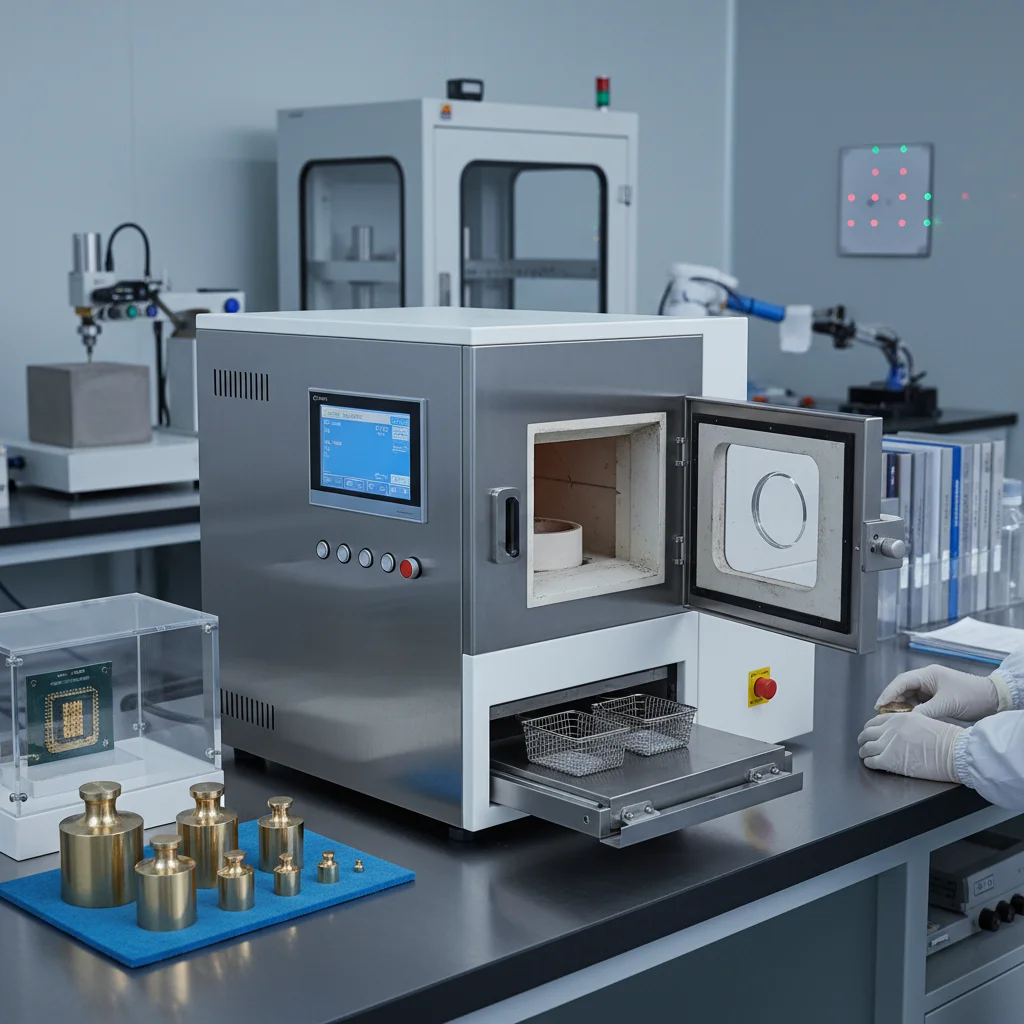
The precision of material testing in the construction industry relies heavily on the consistency of sample preparation. For professionals dealing with high-performance pavement and structural materials, the ability to achieve a perfectly homogeneous mix is the foundation of any reliable lab result. An Automatic Bitumen mixture mixer, or more specifically a high-precision laboratory concrete mixer, ensures that aggregates and binders are distributed evenly, eliminating the human error associated with manual mixing.
Globally, the demand for infrastructure longevity has led to stricter adherence to international standards such as ISO and national compulsory guidelines. In the realm of civil engineering, the failure to properly mix test samples can lead to inaccurate compression and tension data, potentially compromising the safety of bridges, highways, and buildings. This is why investing in automated mixing technology is no longer a luxury but a necessity for quality control laboratories and research institutes worldwide.
The 60L Laboratory Mini Concrete Mixer represents a pinnacle of scientific design, blending robust mechanical engineering with user-centric controls. By integrating a three-axis transmission system and double-horizontal shafts, this equipment serves as a highly efficient Automatic Bitumen mixture mixer alternative for concrete and asphalt-based research, providing a cleaner discharge and a more uniform mixture than traditional single-shaft models.

Engineering Design of the Automatic Bitumen mixture mixer
The engineering philosophy behind the 60L Laboratory Mini Concrete Mixer focuses on maximum stability and minimal vibration. By utilizing a three-axis transmission system, the primary transmission shaft is strategically placed in the midst of the mixing chamber's two sideplates. This design choice significantly boosts the operational stability of the Automatic Bitumen mixture mixer, preventing the chassis from shifting during the processing of heavy-load materials.
Furthermore, the double-horizontal shaft configuration ensures that the material is folded and sheared repeatedly, which is critical for removing lumps and ensuring a homogeneous distribution. This tectonic type has been meticulously developed to meet and exceed the national compulsory industry JG244-2009 standards for Concrete Test Mixer Standards, making it a reliable tool for high-stakes laboratory environments.
Industrial Relevance and Global Standards
In the global construction landscape, the integrity of road and building materials is non-negotiable. The use of an Automatic Bitumen mixture mixer ensures that every sample tested in the lab mirrors the actual conditions of the construction site. When mixing proportions are skewed or uneven, the resulting data on compressive strength or viscosity can be misleading, leading to costly structural failures or inefficient material waste.
Adhering to standards like JG244-2009 is not merely about compliance; it is about creating a universal language of quality. Laboratories across the world rely on these benchmarks to validate their research and ensure that materials used in public infrastructure are safe. The precise machining of all components in this 60L mixer allows for interchangeable parts, reducing downtime and ensuring that the machine operates within the strict tolerances required by global auditing bodies.
As urban centers expand in Asia, Africa, and South America, the demand for rapid, reliable testing is surging. The transition from manual mixing to automated systems reduces human fatigue and eliminates the variability introduced by different operators. By standardizing the mixing process, the industry can move toward more sustainable building practices, utilizing optimized material ratios that reduce the carbon footprint of concrete and bitumen production.
Core Mechanical Components and Stability
The durability of the Automatic Bitumen mixture mixer is rooted in its material selection. The work chamber is constructed from high-quality steel tubing with a thickness of 10mm, providing the structural rigidity needed to withstand the abrasive nature of aggregates. This ensures that the chamber does not warp or wear down prematurely, maintaining a consistent volume and mixing environment over thousands of cycles.
Central to the mixing efficiency are the blades, crafted from 40 Manganese Steel (casting) with a thickness of 12mm. The precise gap of 1mm between the blade and the inner chamber is critical; it prevents material buildup in the "dead zones" and ensures that every cubic centimeter of the mixture is actively processed. This high-torque interaction is what allows the Automatic Bitumen mixture mixer to handle heavy loads without compromising on uniformity.
Operationally, the machine utilizes a dual-motor system: a powerful 3.0KW mixing motor and a dedicated 0.75KW discharging motor. This separation of functions means that the mixing process is never interrupted by the mechanics of unloading. When it is time to discharge, the unit turns 180 degrees, utilizing a low-force driving shaft that minimizes energy consumption and optimizes the occupied space within a crowded laboratory.
Performance Metrics and Operational Efficiency
Operational efficiency in a laboratory is measured by the speed of throughput and the repeatability of results. The 60L capacity of this Automatic Bitumen mixture mixer is ideal for small to medium-sized batches, allowing researchers to run multiple trial variations without wasting expensive additives. The high rotational speed of the dual shafts eliminates lumps and inconsistencies, ensuring that the "workability" of the concrete or bitumen mixture is measured accurately.
Beyond raw power, the precision of the control system allows for the exact adjustment of mixing time and speed. This is vital when testing different grades of cement or varying bitumen viscosities, as over-mixing can lead to material degradation while under-mixing results in poor bonding. The synergy between the 3.0KW motor and the manganese steel blades creates a high-shear environment that accelerates the homogenization process.
Comparative Efficiency of Automatic Bitumen mixture mixer Configurations
Practical Applications in Research and Industry
The versatility of the 60L Laboratory Mini Concrete Mixer makes it indispensable across various sectors. In scientific research institutes, it is used to test new chemical admixtures and sustainable binders, where a precise Automatic Bitumen mixture mixer setup is required to isolate the effect of the additive from mixing variables. By ensuring a consistent base mix, researchers can confidently attribute changes in material strength to their experimental variables.
In commercial mixing plants and detection units, the machine serves as the primary tool for quality assurance (QA) and quality control (QC). Before a large-scale pour or pavement lay, a small-scale sample is processed in the mixer to verify the slump and consistency. Its compact size also makes it suitable for mobile laboratories or on-site testing in remote industrial zones, where ensuring the quality of the mix before full-scale production can save millions in potential rework costs.
User-Centric Safety and Ergonomic Features
Operating heavy machinery in a lab setting requires a strict focus on safety. The 60L mixer is equipped with a comprehensive protective cover that prevents accidental contact with the rotating shafts, ensuring the operator's well-being during high-speed cycles. This safety-first approach is complemented by an intuitive control panel with a clear display, allowing technicians to monitor mixing times without needing to stand in immediate proximity to the machine.
Ergonomics play a critical role in reducing workplace fatigue. The design of the Automatic Bitumen mixture mixer incorporates easy-to-use controls and a layout that minimizes the physical strain of loading and unloading materials. The 180-degree discharge mechanism is specifically engineered to allow the mixture to flow out naturally, reducing the need for manual scraping or lifting of heavy aggregates.
Furthermore, the maintenance of the machine is simplified through a modular design. All components have been precisely machined to be universal and interchangeable. This means that weaker components, such as the mixing blades, can be replaced quickly with minimal tools, ensuring that the laboratory's workflow is not disrupted by lengthy repair periods.
Technical Specifications and Comparison
When evaluating an Automatic Bitumen mixture mixer, the technical parameters provide the most objective measure of capability. The 60L model stands out due to its 3.0KW mixing power and the use of 40 Manganese Steel casting for the blades. These specs ensure that the machine can handle not only standard concrete but also denser, more viscous bitumen mixtures that would stall a lesser machine.
Comparing this to traditional mixers, the double-horizontal shaft system provides a significantly more uniform distribution of material. While single-shaft mixers often leave "dead zones" at the edges of the chamber, the 1mm gap between the blade and the wall in this model ensures total coverage. The weight of approximately 700kg provides the necessary inertia to keep the machine stable during peak torque.
Ultimately, the value of the equipment is found in the balance between capacity, power, and precision. A 60L nominal capacity is the "sweet spot" for laboratory work—large enough for statistically significant samples, but compact enough for easy transportation and storage. The wooden case packing ensures that the precision-machined components arrive in perfect alignment, ready for immediate deployment.
Detailed Technical Analysis of the 60L Automatic Bitumen mixture mixer
|
Parameter Category
|
Technical Specification
|
Material/Standard
|
Performance Impact
|
| Tectonic Type |
Double-horizontal shafts |
JG244-2009 |
High homogeneity |
| Motor Power |
3.0KW Mixing / 0.75KW Discharge |
Industrial Grade |
Heavy load capacity |
| Blade Material |
40 Manganese Steel |
Casting |
Extreme wear resistance |
| Chamber Wall |
10mm Thickness |
High Quality Steel Tube |
Structural rigidity |
| Blade Clearance |
1mm Distance |
Precision Machined |
Zero dead-zone mixing |
| Overall Weight |
Approx 700kg |
Heavy Duty |
Low vibration/stability |
FAQS
The double-horizontal shaft design creates a more complex mixing motion, combining shearing and folding. This ensures that the binder is evenly distributed across all aggregate surfaces, eliminating the lumps common in single-shaft or manual mixing. It provides a higher degree of homogeneity, which is essential for meeting strict laboratory standards like JG244-2009.
Yes, 60L is widely considered the ideal capacity for lab-scale research and quality control. It allows for several standard-sized test cubes or cylinders to be cast from a single batch, ensuring that all samples in a series are identical. It balances the need for statistical significance with the practicality of lab space and material costs.
Manganese steel is known for its "work-hardening" property, meaning it becomes harder and more wear-resistant as it is subjected to impact and abrasion. In an Automatic Bitumen mixture mixer, the blades are constantly rubbing against hard aggregates; this material choice ensures the blades maintain their thickness and edge for much longer than standard carbon steel.
Absolutely. While optimized for concrete, its high torque and precise mixing make it excellent for bitumen mixtures, soil-cement stabilizers, and other heavy-duty industrial pastes. As long as the material does not exceed the motor's load capacity and is non-corrosive to steel, the mixer will perform efficiently.
Primary maintenance includes regular lubrication of the transmission shafts and checking the 1mm gap between the blades and the chamber wall. Because the components are universal and interchangeable, replacing worn blades is straightforward. We recommend cleaning the chamber after each use to prevent material buildup that could affect mixing precision.
By placing the primary transmission shaft centrally between the two sideplates, the system distributes the centrifugal forces more evenly across the chassis. This prevents the "walking" effect often seen in smaller mixers, reducing noise and vibration, and ensuring that the precision of the mix is not compromised by mechanical instability.
Conclusion
The 60L Laboratory Mini Concrete Mixer stands as a critical tool for any facility dedicated to the precision of material science. By combining a robust double-horizontal shaft design, high-grade manganese steel components, and a strict adherence to JG244-2009 standards, it provides the consistency and reliability required for an Automatic Bitumen mixture mixer application. Its ability to eliminate human error and produce homogeneous samples ensures that the data derived from these mixes is accurate, repeatable, and scientifically valid.
As the construction industry moves toward more complex, sustainable, and high-performance materials, the reliance on automated, high-precision mixing technology will only grow. Investing in professional-grade equipment not only enhances the quality of current research but also safeguards the future of our infrastructure. For those seeking to elevate their laboratory standards and ensure absolute quality control, we invite you to explore our full range of solutions. Visit our website: www.czlabinstrument.com