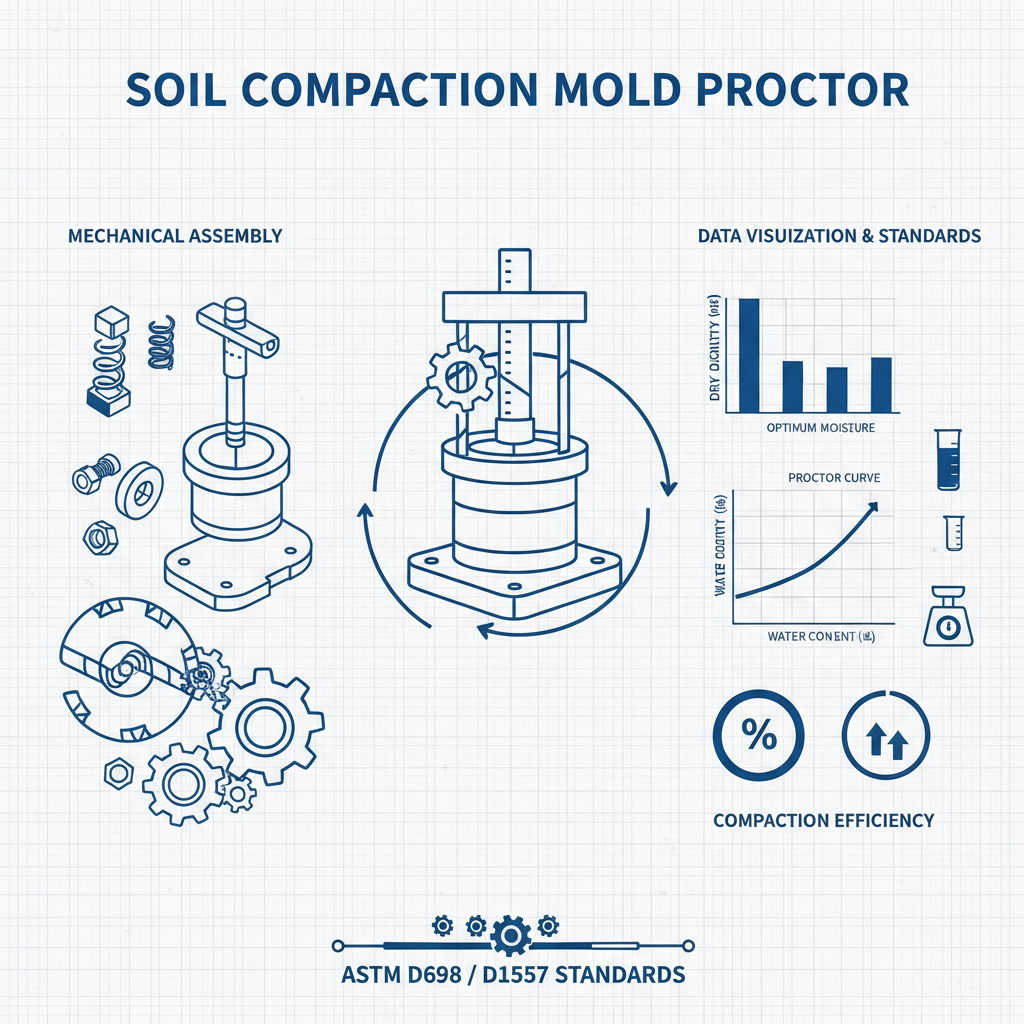
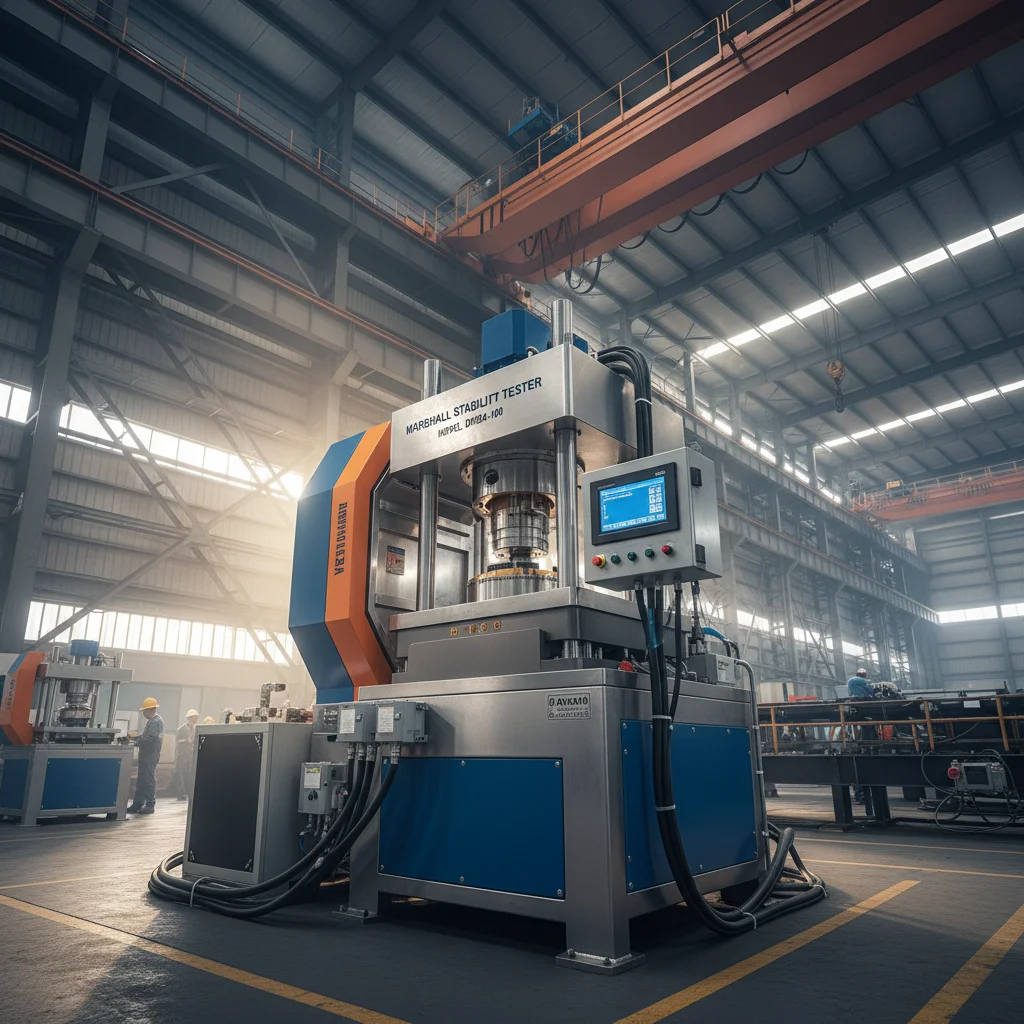
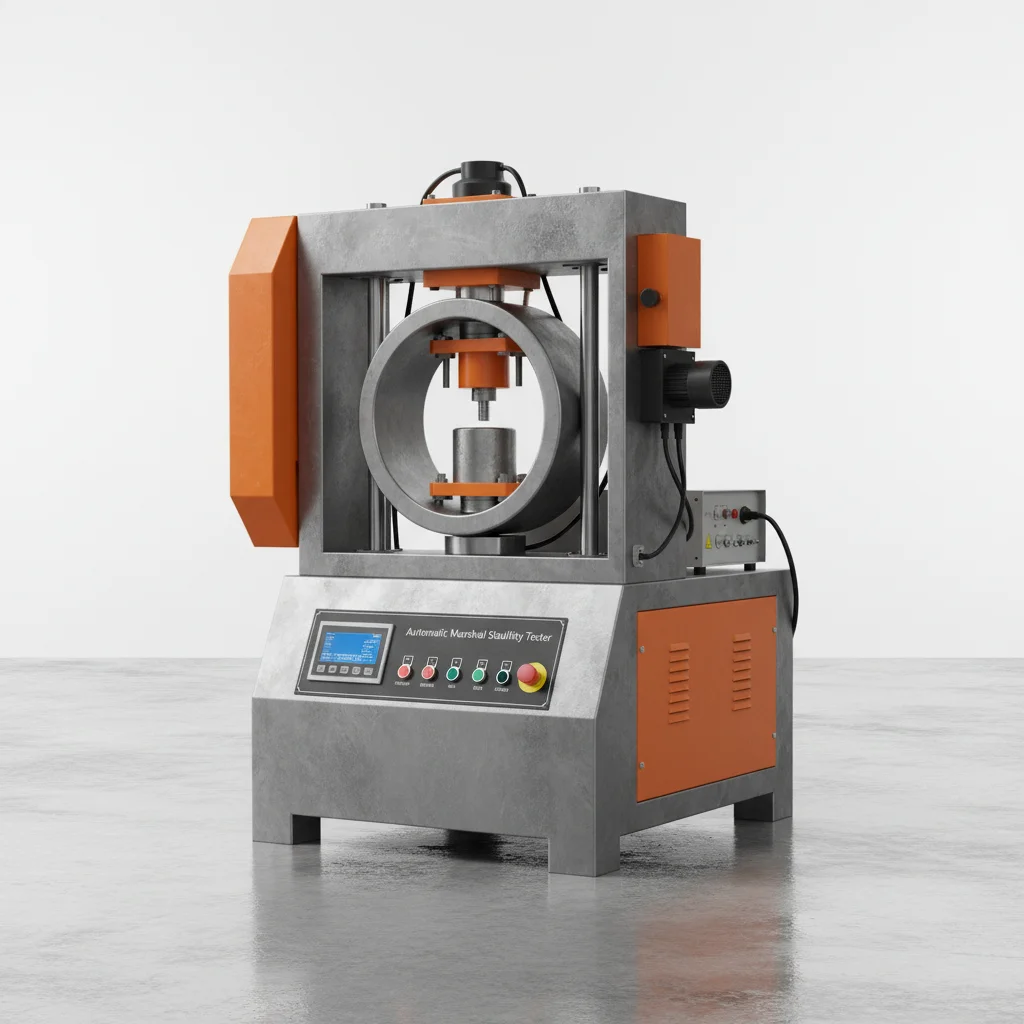
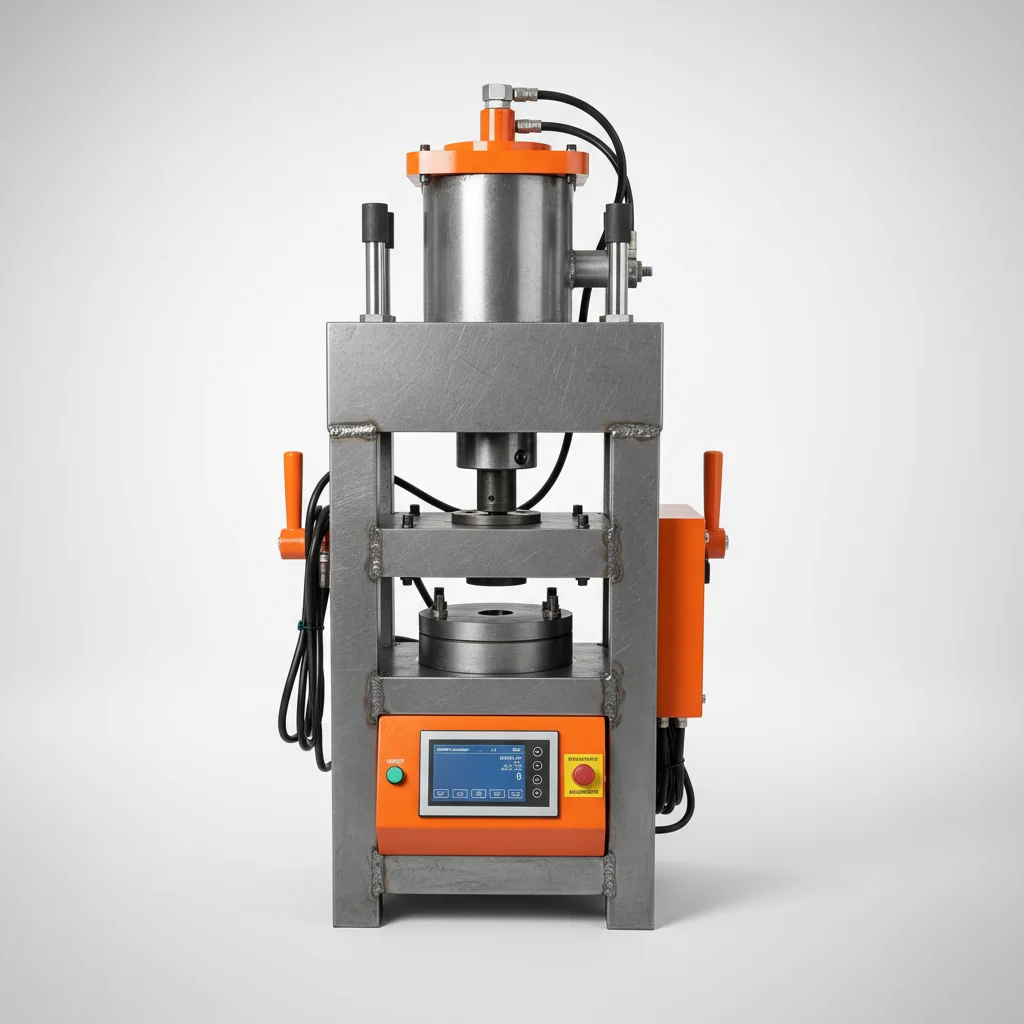
Soil Compaction Mold Proctor testing is a cornerstone of civil engineering and construction, ensuring the stability and longevity of structures from roadways and building foundations to dams and airports. It's a globally recognized standard for determining the optimal moisture content and density required for compacted soil, maximizing its load-bearing capacity and minimizing settlement. Understanding this process is crucial for anyone involved in earthwork construction, quality control, or geotechnical investigations.
The importance of accurate soil compaction testing stems from the direct correlation between properly compacted soil and structural integrity. Insufficient compaction can lead to premature failure, costly repairs, and even safety hazards. Conversely, over-compaction can be equally detrimental, leading to reduced permeability and increased susceptibility to frost heave. The consistent application of the Soil Compaction Mold Proctor method minimizes these risks.
Modern advancements in soil compaction equipment and testing methodologies continue to refine the Soil Compaction Mold Proctor process, increasing efficiency and accuracy. This is vital as infrastructure demands grow, especially in rapidly developing regions and in the face of increasingly challenging environmental conditions. Investing in proper equipment and training is paramount for project success and public safety.
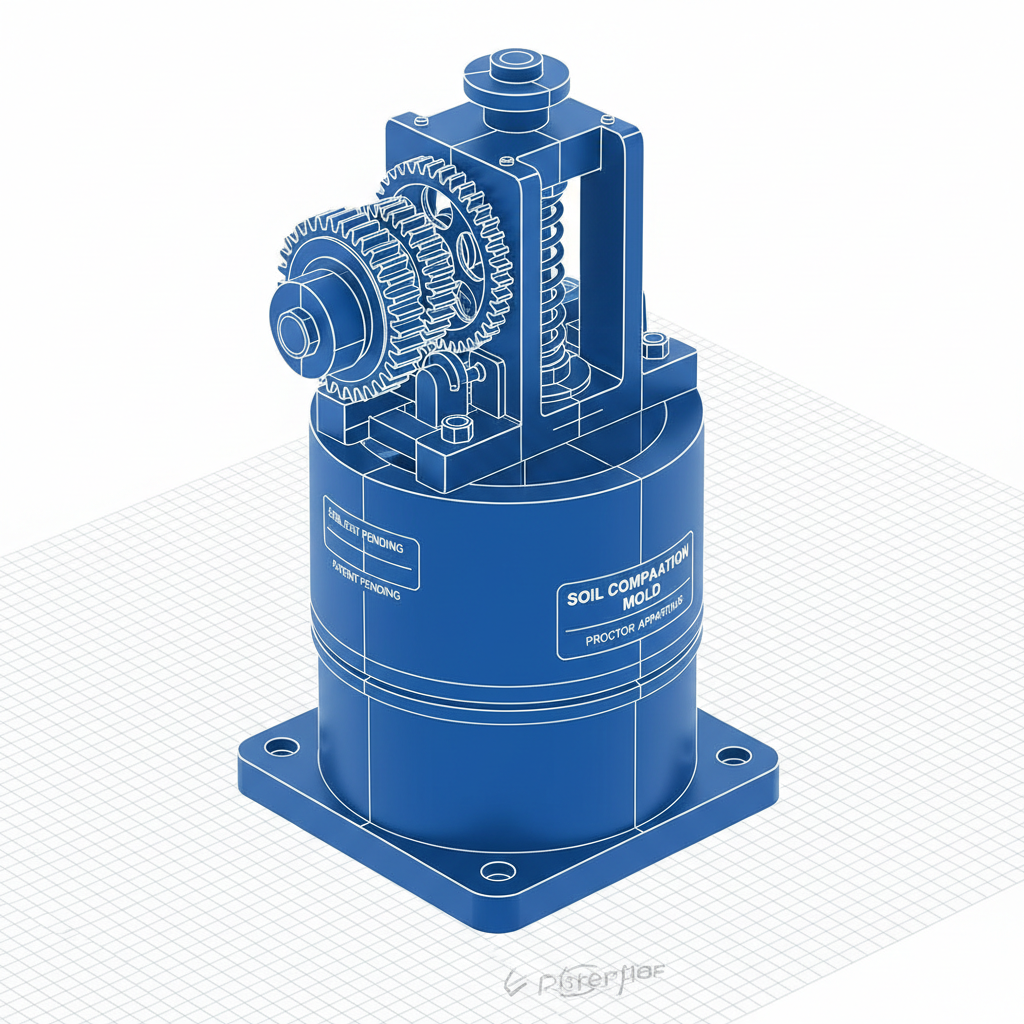
The Fundamentals of Soil Compaction Mold Proctor
The Soil Compaction Mold Proctor method, at its core, is a laboratory procedure designed to determine the relationship between the moisture content of a soil and its maximum dry density. This relationship is crucial for achieving optimal compaction in the field. It relies on systematically compacting soil samples in a standardized mold using controlled energy.
Understanding the principles behind this method ensures that construction projects are built on a solid foundation. The ability to accurately assess soil properties leads to more durable, cost-effective, and environmentally responsible infrastructure. Proper compaction is not merely a construction step; it’s an investment in the long-term performance and safety of any structure.
Global Relevance and Industry Standards
Soil compaction is a globally relevant issue, influencing construction projects in every corner of the world. From the mega-cities of Asia to the remote infrastructure projects of Africa and the expansive highway systems of North America, the principles of Soil Compaction Mold Proctor testing are universally applied. International standards, such as those defined by ASTM and ISO, provide a framework for consistent testing procedures.
The World Bank and other international development organizations emphasize the importance of robust geotechnical investigations, including accurate soil compaction testing, for infrastructure projects in developing countries. These projects often represent significant investments in economic growth and social welfare, making the reliability of the foundation critical.
Failure to adhere to these standards can have devastating consequences, leading to project delays, increased costs, and, in extreme cases, structural failures that endanger lives. Global standardization ensures quality control and promotes best practices in construction worldwide.
Defining Soil Compaction Mold Proctor
Soil Compaction Mold Proctor is a standardized laboratory test that determines the maximum dry density achievable for a given soil type, along with the optimum moisture content at which this density is achieved. This is accomplished by compacting the soil in layers within a cylindrical mold of a specific volume, using a standardized hammer weight and drop height.
This process directly addresses the need for stable foundations in modern construction. By understanding the soil’s compaction characteristics, engineers can design and implement effective compaction strategies on construction sites. The method simulates the compaction forces applied by heavy machinery during construction, offering a predictive assessment of field performance.
The significance extends beyond simple construction; it underpins the safety and resilience of critical infrastructure, ensuring long-term performance and minimizing the risk of costly failures. The Soil Compaction Mold Proctor test is therefore a fundamental element of responsible construction practices.
Core Components of Effective Compaction
Several key factors influence the effectiveness of soil compaction and the accuracy of Soil Compaction Mold Proctor testing. These include soil type (grain size distribution, plasticity), moisture content, compactive effort (energy applied during compaction), and the proper selection of compaction equipment.
Durability of equipment is paramount, ensuring consistent results over numerous tests and projects. Scalability refers to the ability to adapt the testing process to different soil types and project sizes. Cost efficiency is achieved through optimized testing procedures and reliable equipment. And finally, accuracy of results dictates the reliability of the entire construction project.
Comparison of Compactive Effort Methods in Soil Compaction Mold Proctor
Applications Across Diverse Sectors
The Soil Compaction Mold Proctor test finds application in a remarkably broad spectrum of industries. In civil engineering, it’s essential for road construction, building foundations, dam construction, and airport runways. Geotechnical engineers rely on the data to assess site suitability and design appropriate foundation systems.
In post-disaster relief operations, rapid assessment of soil conditions is critical for establishing temporary shelters and infrastructure. In remote industrial zones, where access to sophisticated testing facilities may be limited, portable compaction equipment and field testing methods become invaluable.
Mining operations require accurate soil compaction data for the construction of tailings dams and access roads. Agricultural applications benefit from understanding soil compaction to optimize drainage and root growth. The consistent application of Soil Compaction Mold Proctor principles ensures safety and stability in these diverse settings.
Long-Term Benefits and Value Proposition
Investing in accurate Soil Compaction Mold Proctor testing delivers significant long-term benefits. Reduced maintenance costs stemming from more durable infrastructure are a key financial advantage. Enhanced safety, ensuring structural stability and minimizing the risk of failures, is paramount.
The environmental benefits are also substantial, stemming from reduced material consumption and the longer lifespan of structures. The trust engendered by adhering to industry standards strengthens reputation and client confidence. The method represents a blend of economic prudence, social responsibility, and engineering innovation.
Future Innovations in Soil Compaction
The future of soil compaction testing is poised for innovation. Automation of the Soil Compaction Mold Proctor process, utilizing robotic systems for sample preparation and testing, promises increased efficiency and reduced human error. Digital integration, incorporating real-time data analysis and cloud-based reporting, will enable more informed decision-making.
The development of advanced sensors to monitor soil compaction in situ, eliminating the need for laboratory testing, is another exciting frontier. Sustainable materials and techniques, such as the use of recycled aggregates and bio-based stabilizers, will further reduce the environmental impact of construction.
These advancements, coupled with a continued emphasis on standardization and quality control, will ensure that soil compaction testing remains a vital component of sustainable infrastructure development for decades to come.
Table Summarizing Challenges and Solutions in Soil Compaction Mold Proctor Testing
| Challenge |
Impact on Results |
Proposed Solution |
Implementation Cost (1-10) |
| Inconsistent Hammering |
Variable Compactive Effort |
Automated Compaction Device |
7 |
| Sample Disturbance |
Reduced Accuracy of MDD |
Improved Sampling Techniques |
3 |
| Operator Variability |
Subjectivity in Moisture Content Assessment |
Standardized Training Programs |
4 |
| Equipment Calibration |
Inaccurate Measurements |
Regular Calibration Schedules |
5 |
| Non-Representative Samples |
Misleading Results |
Stratified Random Sampling |
6 |
| Data Recording Errors |
Incorrect Data Analysis |
Digital Data Logging Systems |
8 |
FAQS
The primary purpose is to determine the maximum dry density attainable for a given soil, and the optimum moisture content at which that density is achieved. This information is critical for ensuring adequate compaction during construction, which directly impacts the stability and longevity of structures. The Soil Compaction Mold Proctor method provides a standardized way to assess these key soil properties, allowing engineers to design and build safer, more durable infrastructure.
Moisture content plays a crucial role in soil compaction. As moisture increases, soil particles are more easily rearranged, leading to higher densities. However, beyond the optimum moisture content, excessive water reduces interparticle friction, hindering compaction and decreasing density. The Soil Compaction Mold Proctor test precisely identifies this optimum moisture level, providing essential data for effective field compaction.
The Proctor method can be applied to a wide range of soil types, including sands, silts, clays, and mixtures thereof. There are different variations of the test (Standard Proctor, Modified Proctor) tailored to different soil types and compactive efforts. The choice of method depends on the anticipated compaction conditions in the field and the specific requirements of the project.
The main difference lies in the compactive effort – the amount of energy applied during the compaction process. The Modified Proctor test uses a heavier hammer and greater drop height, resulting in a higher compactive effort and typically a higher maximum dry density. Modified Proctor is often used for heavier construction projects like highway embankments, while Standard Proctor is suitable for lighter applications.
The frequency of testing depends on project specifications, soil variability, and the type of construction. Typically, testing is performed for each lift (layer) of compacted soil, with a minimum number of tests per lift specified in the project requirements. It's crucial to adhere to these specifications to ensure consistent and adequate compaction throughout the project.
Common causes include improper moisture content during compaction, inadequate compactive effort, and the presence of obstructions within the soil. Insufficient testing or improper interpretation of test results can also lead to failures. Regular quality control and adherence to established standards are essential to prevent these issues and ensure long-term stability.
Conclusion
In conclusion, the Soil Compaction Mold Proctor test remains an indispensable tool for civil engineers and construction professionals worldwide. Its ability to accurately determine optimal compaction parameters ensures the stability, durability, and safety of a wide range of infrastructure projects. From roads and buildings to dams and airports, the principles of this method underpin the foundations of modern society.
Looking ahead, continued innovation in automation, digital integration, and sustainable materials will further enhance the efficiency and effectiveness of soil compaction testing. Investing in proper training, equipment, and quality control measures is paramount for maintaining high standards and ensuring the long-term resilience of our built environment. Visit our website at www.czlabinstrument.com to learn more about our comprehensive range of soil testing equipment and services.