0%

Table of Contents

Automatic Soils Compactor technology represents a crucial advancement in construction, infrastructure development, and disaster relief. Its ability to rapidly and effectively prepare land for building, road construction, or emergency housing significantly reduces project timelines and costs. Globally, the demand for efficient soil stabilization solutions is growing, driven by rapid urbanization, infrastructure needs in developing nations, and the increasing frequency of natural disasters. Understanding the principles and applications of Automatic Soils Compactor is therefore vital for engineers, construction professionals, and humanitarian organizations alike.

The global construction industry is valued at trillions of dollars annually, with soil preparation representing a significant portion of overall project expenses. Traditional methods are often labor-intensive, time-consuming, and can be inconsistent in their results. This leads to delays, cost overruns, and potentially compromised structural integrity. Automatic Soils Compactor offers a solution to these challenges, providing a standardized, efficient, and reliable approach to ground preparation.

The deployment of efficient soil compaction techniques directly impacts the stability and longevity of structures, influencing safety and sustainability. From airport runways to foundation work, reliable soil preparation is paramount. The development and implementation of Automatic Soils Compactor systems are, therefore, not merely a technological improvement, but a crucial investment in global infrastructure resilience.
Automatic Soils Compactor

Introduction to Automatic Soils Compactor
Automatic Soils Compactor

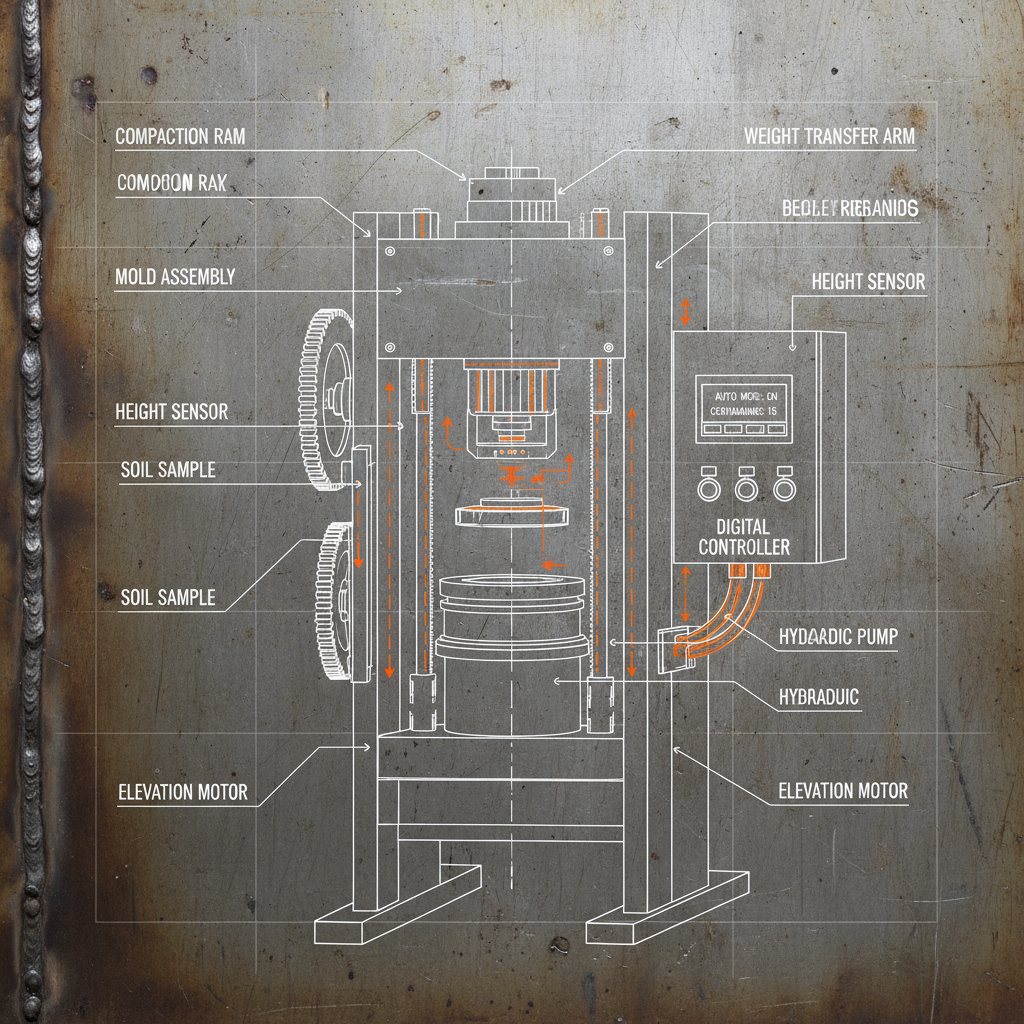
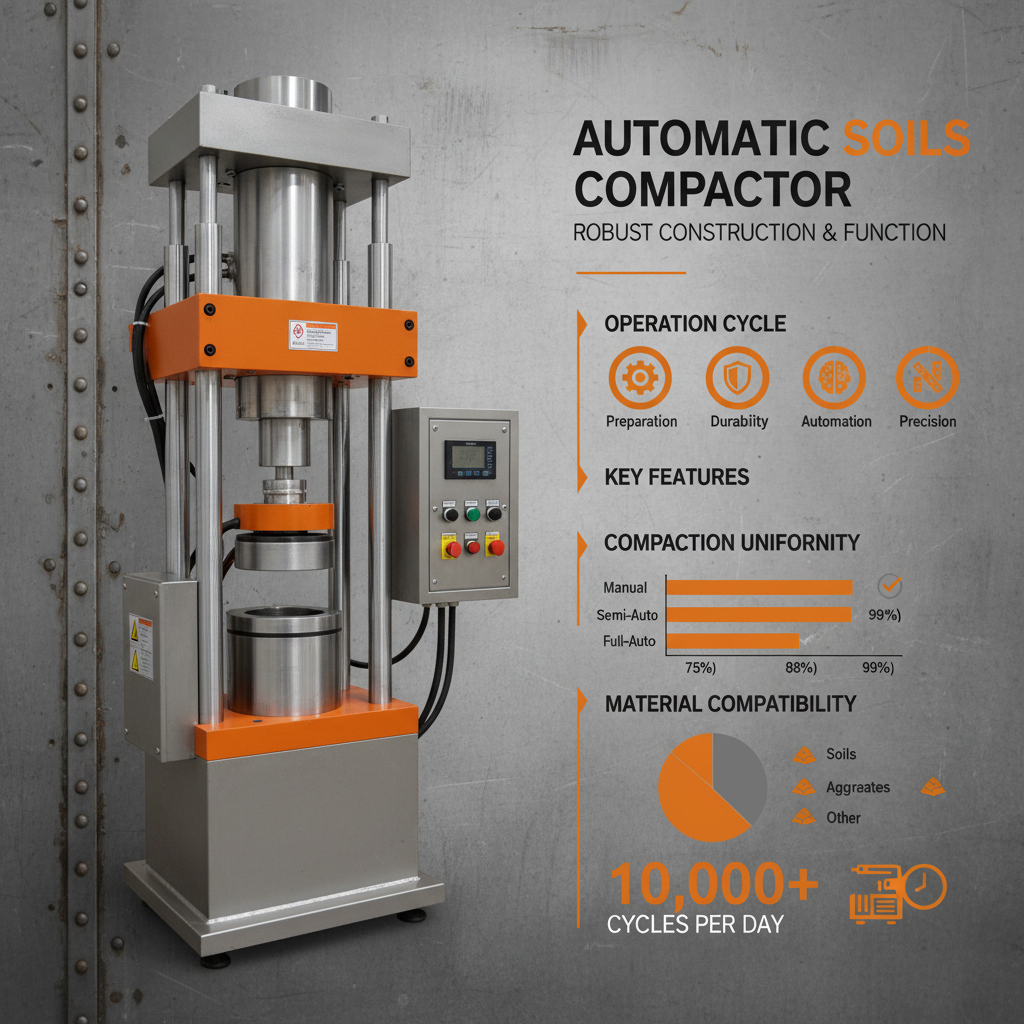
Automatic Soils Compactor encompasses a range of technologies designed to mechanically stabilize and densify soil without requiring significant manual labor. These systems can range from remotely operated rollers and plate compactors to sophisticated self-leveling and compaction units. The primary goal is to increase the load-bearing capacity of the soil, improving its suitability for construction or other applications. Automatic Soils Compactor are transforming industries.

The use of automation significantly improves the consistency and efficiency of soil compaction, minimizing the risk of errors and reducing project timelines. Modern systems often incorporate sensors and control algorithms to optimize compaction levels, ensuring that soil meets required specifications. This leads to improved structural integrity, reduced maintenance costs, and enhanced safety.

Defining Automatic Soils Compactor

Automatic Soils Compactor refers to the use of robotic or automated machinery to perform the task of soil compaction, which is the process of increasing the density of soil by reducing air voids. This is crucial for creating a stable foundation for buildings, roads, and other infrastructure. Unlike traditional methods relying heavily on manual labor, Automatic Soils Compactor utilizes programmed movements and often, sensor feedback to achieve optimal compaction levels.

This technology directly addresses the challenges associated with manual compaction, such as inconsistent results, high labor costs, and potential for worker injury. The automation ensures a standardized process, producing predictable and reliable outcomes. It bridges the gap between labor-intensive traditional techniques and the demands of modern, large-scale construction projects.

The application extends beyond standard construction. Humanitarian aid organizations, for example, benefit greatly from the rapid deployment capabilities of these systems in establishing temporary shelters and infrastructure following natural disasters, where time and resources are severely constrained.

Core Components and Factors

Several key factors contribute to the effectiveness of an Automatic Soils Compactor system. Durability is paramount, as the machines must withstand harsh operating conditions. Robust construction, utilizing high-quality materials, is essential for minimizing downtime and maintenance costs. The ability to operate in diverse terrains and weather conditions is also critical.

Scalability refers to the system's adaptability to projects of varying sizes. Modular designs and adjustable compaction parameters allow the same system to be used for small-scale residential projects and large-scale infrastructure developments. This flexibility maximizes the return on investment.

Cost Efficiency is a significant driver of adoption. While the initial investment in an Automatic Soils Compactor system may be higher than traditional methods, the reduced labor costs, faster project completion times, and improved material efficiency often result in substantial long-term savings. Precision is another factor. Integrated sensors and control systems ensure accurate and consistent compaction, minimizing the risk of structural failures. Finally, Remote Operation capabilities enhance safety and enable operation in hazardous or inaccessible areas.

Global Applications & Use Cases

Automatic Soils Compactor systems are deployed across a broad spectrum of applications worldwide. In the construction industry, they are vital for preparing foundations for buildings, roads, bridges, and airports. The speed and precision they offer are especially valuable in large-scale infrastructure projects, minimizing delays and ensuring consistent quality.

In post-disaster relief operations, Automatic Soils Compactor systems are used to quickly prepare land for temporary shelters, hospitals, and sanitation facilities. Their ability to operate independently of a large workforce makes them ideal for deploying to remote or damaged areas. Regions prone to earthquakes, hurricanes, and floods increasingly rely on these technologies for rapid response.

Furthermore, Automatic Soils Compactor plays a key role in mining and resource extraction. They are used to create stable access roads, prepare sites for equipment, and rehabilitate land following mining operations. In remote industrial zones, where skilled labor may be scarce, these automated systems provide a reliable and cost-effective solution for maintaining essential infrastructure.

Comparison of Automatic Soils Compactor Methods

Advantages and Long-Term Value

The benefits of implementing Automatic Soils Compactor extend far beyond immediate cost savings. The increased reliability and consistency of soil preparation directly translate to longer-lasting infrastructure, reducing maintenance requirements and minimizing the risk of costly repairs. This is a crucial consideration for long-term sustainability.

Moreover, the reduced labor requirements enhance worker safety by minimizing exposure to physically demanding and potentially hazardous tasks. This fosters a more positive work environment and demonstrates a commitment to ethical practices. The precision of the compaction process contributes to reduced material waste, aligning with principles of environmental responsibility.

Future Trends and Innovations

The future of Automatic Soils Compactor is poised for significant advancements, driven by trends in robotics, artificial intelligence, and sustainable construction. The integration of machine learning algorithms will enable systems to adapt to varying soil conditions in real-time, optimizing compaction parameters for maximum efficiency.

The development of more energy-efficient and environmentally friendly systems is also a key focus. Exploring alternative power sources, such as solar and electric, will further reduce the carbon footprint of construction projects. Furthermore, the convergence of digital technologies, such as Building Information Modeling (BIM), will facilitate seamless integration of Automatic Soils Compactor data into the overall project lifecycle.

Challenges and Solutions

Despite its numerous advantages, the widespread adoption of Automatic Soils Compactor faces certain challenges. The initial investment cost can be a barrier for some organizations, particularly smaller contractors. Additionally, the need for specialized training and maintenance can present logistical hurdles.

However, innovative financing models, such as leasing and pay-per-use arrangements, can mitigate the cost barrier. The development of user-friendly interfaces and remote diagnostic capabilities can simplify maintenance and reduce the need for highly specialized technicians. Ongoing research and development will continue to address these challenges, making Automatic Soils Compactor more accessible and effective.

Furthermore, standardization of data formats and communication protocols will enable seamless integration with existing construction management systems, fostering greater collaboration and efficiency across the entire project lifecycle.

Summary of Challenges and Solutions in Automatic Soils Compactor Implementation

Challenge Impact Level (1-10) Proposed Solution Solution Feasibility (1-10)
High Initial Investment Cost 8 Leasing Programs & Pay-per-Use Models 7
Specialized Training Required 6 Online Training Modules & Certification Programs 9
Maintenance Complexity 7 Remote Diagnostics & Preventative Maintenance Schedules 8
Integration with Existing Systems 5 Standardized Data Formats & API Development 6
Limited Adaptability to Highly Variable Soil 4 AI-Powered Real-Time Adjustment of Compaction Parameters 5
Dependence on Power Source 6 Hybrid & Electric Powered Systems 7

FAQS

What are the primary advantages of using an Automatic Soils Compactor over traditional methods?

Automatic Soils Compactor offers several key advantages, including increased efficiency, improved consistency, reduced labor costs, and enhanced safety. Traditional methods are often labor-intensive and prone to inconsistencies, leading to potential structural issues. Automatic systems deliver standardized results, minimizing risks and optimizing project timelines. Furthermore, reducing manual labor exposure enhances worker well-being and decreases the likelihood of workplace accidents.

How does the cost of an Automatic Soils Compactor compare to the long-term costs of manual compaction?

While the initial investment in an Automatic Soils Compactor may be higher, the long-term costs are often significantly lower. Reduced labor requirements, faster project completion times, and minimized rework due to inconsistent compaction translate to substantial savings. Furthermore, the increased durability of structures built with properly compacted soil reduces maintenance and repair expenses over the lifespan of the project, resulting in a positive return on investment.

What types of soil are best suited for Automatic Soils Compactor technology?

Automatic Soils Compactor systems can be adapted to a wide range of soil types, including sand, gravel, silt, and clay. However, the specific technology and compaction parameters must be adjusted based on the soil's composition and moisture content. Modern systems often include sensors that analyze soil properties in real-time, allowing for optimized compaction regardless of the soil type. Certain heavily organic soils may require pre-treatment.

What level of training is required to operate and maintain an Automatic Soils Compactor?

Operating an Automatic Soils Compactor typically requires specialized training to ensure proper usage and safety. Training programs cover topics such as system operation, maintenance procedures, troubleshooting, and data interpretation. Manufacturers often offer comprehensive training courses. Maintenance may require skilled technicians, however, remote diagnostic capabilities are increasing and lessening the need for highly skilled field technicians.

What safety features are incorporated into Automatic Soils Compactor systems?

Safety is a paramount concern in the design of Automatic Soils Compactor systems. Features commonly include emergency stop mechanisms, proximity sensors to prevent collisions, and remote operation capabilities to minimize human exposure to hazardous environments. Many systems also incorporate diagnostic monitoring to detect potential malfunctions and prevent accidents. Compliance with relevant safety standards is a key priority.

How does Automatic Soils Compactor contribute to sustainable construction practices?

Automatic Soils Compactor promotes sustainable construction by reducing material waste through precise compaction, minimizing the carbon footprint by optimizing energy efficiency, and extending the lifespan of infrastructure, which lessens the need for frequent repairs and replacements. Furthermore, automated systems can be powered by renewable energy sources, further enhancing their environmental benefits. The reduction in labor reduces transportation related emissions as well.

Conclusion

Automatic Soils Compactor represents a significant advancement in construction and infrastructure development, offering substantial benefits in terms of efficiency, cost savings, safety, and sustainability. By automating the crucial process of soil compaction, these systems enable projects to be completed faster, with greater precision, and with a reduced environmental impact. The long-term value of this technology extends far beyond immediate financial gains, contributing to the creation of more resilient and durable infrastructure.

As technology continues to evolve, we can expect further innovations in Automatic Soils Compactor, driven by advancements in robotics, artificial intelligence, and sustainable materials. Investing in and adopting these technologies is crucial for building a more efficient, safe, and sustainable future. Visit our website at www.czlabinstrument.com to learn more about our range of Automatic Soils Compactor solutions and how they can benefit your projects.

William Thompson

William Thompson

William Thompson is a Senior Research Engineer in the R&D Department at Cangzhou Blue Beauty Instrument Co., Ltd. He specializes in the development of new testing methodologies and instrument designs for building materials and construction applications. William holds a Master’s degree in Mechanical Engineering and contributes to the company's patent portfolio through innovative research. He collaborates closely with the production department to translate research findings into practical, high-performance products. He excels in the design of instruments that are user-friendly and provide accurate, reliable data, contributing to the company’s leadership position in the industry. William is always exploring new technologies and materials to enhance product functionality.
Previous Advancements in Road Infrastructure with Digital Automatic Marshall Compactor
Next Advancements in Automatic Proctor CBR Compactors for Soil Testing and Infrastructure Development
Leave Your Message

If you are interested in our products, you can choose to leave your information here, and we will be in touch with you shortly.