
Comprehensive Guide to Biosafety Cabinet for Lab Safety and Research
Biosafety Cabinet for Lab: A Comprehensive Guide
Maintaining a safe and controlled laboratory environment is crucial for scientific research and handling hazardous materials. A biosafety cabinet for lab plays a vital role in protecting personnel, samples, and the environment. This article provides a detailed overview of biosafety cabinets, their classifications, applications, and key considerations when choosing the right cabinet for your laboratory needs. Understanding the features and benefits of these cabinets is essential for ensuring optimal safety and research integrity.
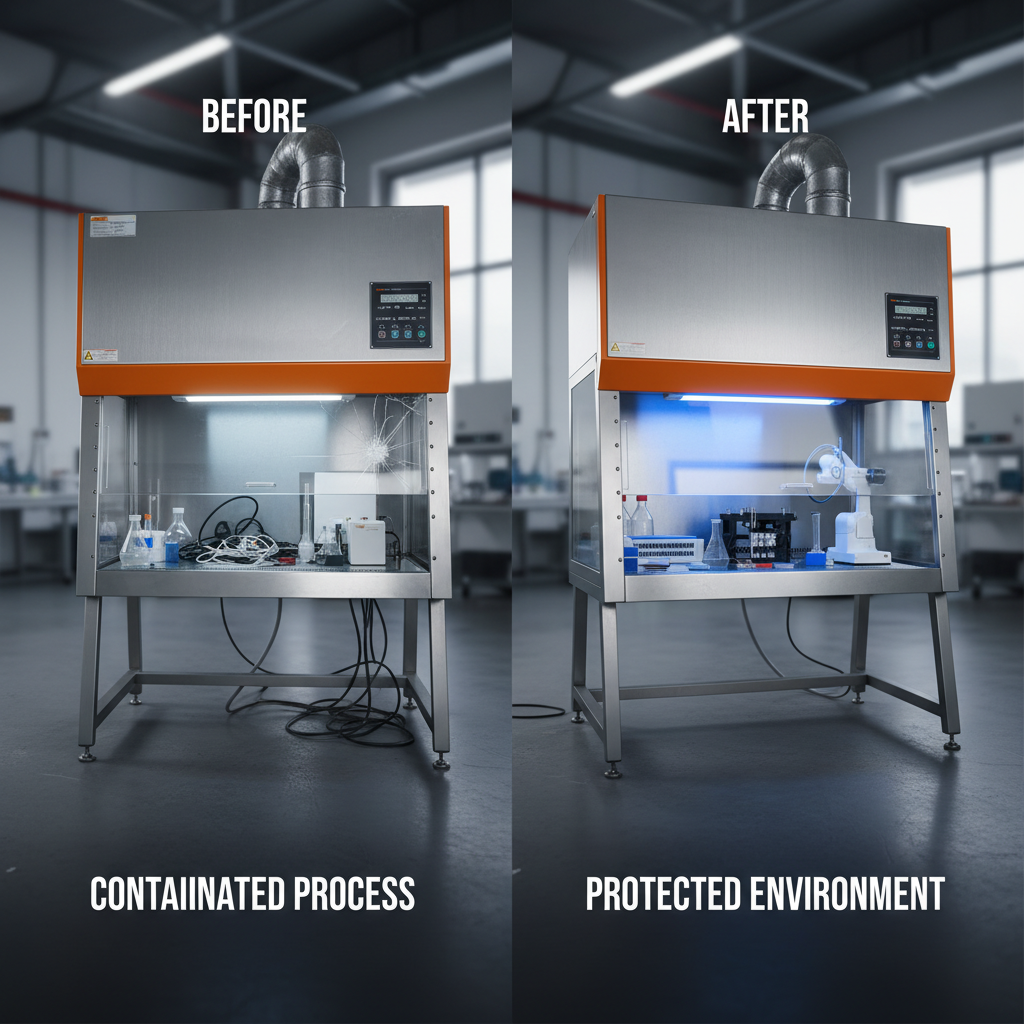
Understanding Biosafety Cabinets: Your Lab's First Line of Defense
Biosafety cabinets (BSCs) are engineered enclosures that provide personnel, product, and environmental protection when working with infectious agents. They achieve this through high-efficiency particulate air (HEPA) filtration, airflow patterns, and containment features. BSCs aren't just equipment; they are a crucial component of a comprehensive lab safety program. Properly selecting and maintaining a BSC is paramount to minimizing risks associated with handling biological hazards. CZ Lab Instrument offers a range of biosafety cabinets designed to meet diverse research needs.
Key Benefits: Protection of personnel, product, and the environment; Containment of aerosols; HEPA filtration for clean air; Compliance with safety regulations.
Biosafety Cabinet Classes: Choosing the Right Protection Level
Biosafety cabinets are classified into different classes (Class I, II, and III) based on their level of containment and protection. Class I BSCs provide personnel and environmental protection but no product protection. Class II BSCs are the most commonly used and offer personnel, product, and environmental protection. Class III BSCs provide the highest level of containment and are used for working with highly hazardous materials. Understanding these classifications is vital for selecting the appropriate cabinet for your specific research applications and risk assessment. CZ Lab Instrument's experts can help you determine the best cabinet class for your needs.
Classifications at a Glance:
• Class I: Personnel & Environmental Protection
• Class II: Personnel, Product & Environmental Protection
• Class III: Maximum Containment
Class II Biosafety Cabinet Types: A Detailed Comparison
Within Class II, there are several subtypes (A2, B1, B2) each with distinct airflow patterns and exhaust systems. Type A2 cabinets are the most common, recirculating some air back into the lab after HEPA filtration. Type B1 cabinets exhaust all air to the outside, and Type B2 cabinets connect to a dedicated exhaust system and are often used for handling hazardous toxins. Choosing the right type depends on the nature of the work and the availability of exhaust connections.
Key Considerations When Choosing a Biosafety Cabinet
Several factors influence the choice of a biosafety cabinet. These include the type of work being performed, the biosafety level of the agents being handled, laboratory space, budget, and regulatory requirements. Ensure the cabinet is certified and meets relevant standards (e.g., NSF/ANSI 49). Regular maintenance and certification are crucial for ensuring the cabinet's continued effectiveness. A qualified service technician should perform annual certification.
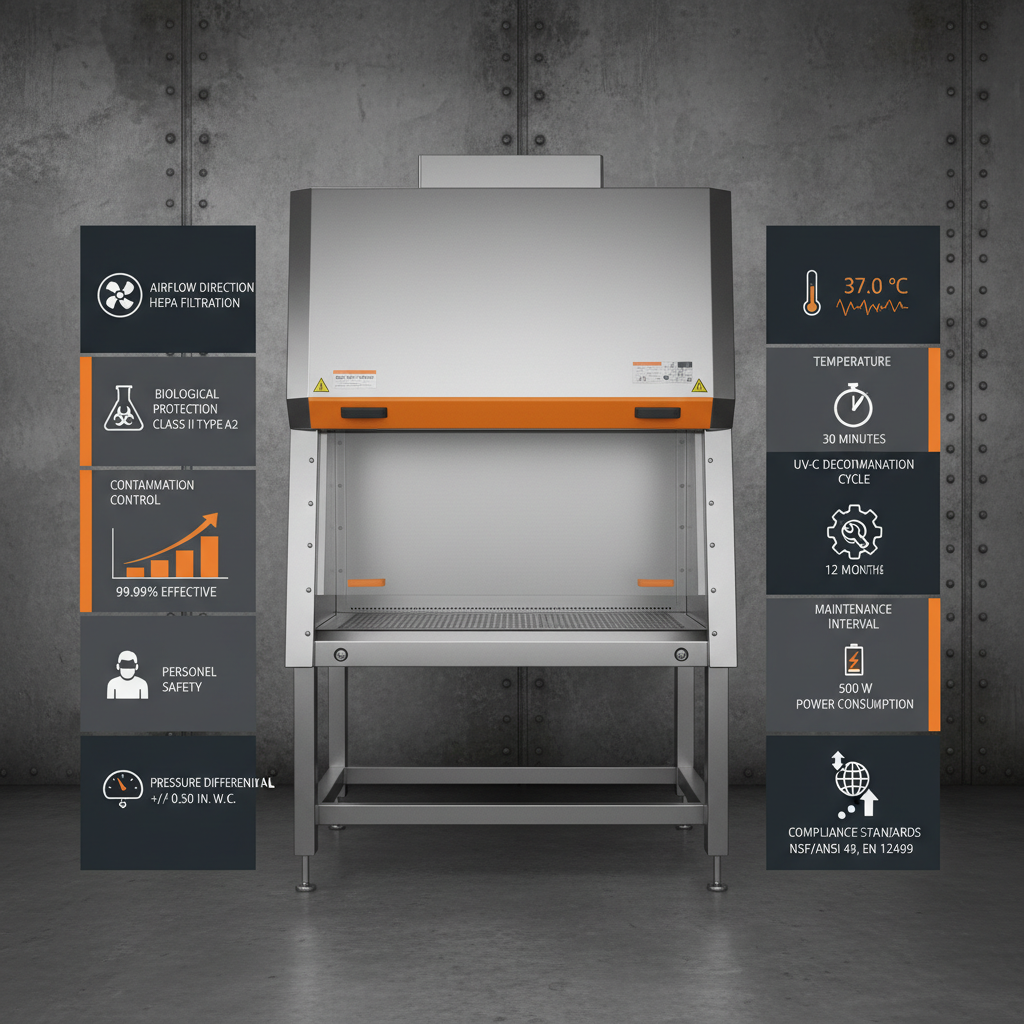
Maintaining Your Biosafety Cabinet for Optimal Performance
Proper maintenance is essential to guarantee the longevity and efficacy of your biosafety cabinet. Regular cleaning, filter changes, and airflow monitoring are crucial. Develop a written maintenance schedule and train personnel on proper procedures. Avoid obstructing airflow patterns by overcrowding the cabinet. Promptly report any malfunctions or unusual noises to a qualified service technician. Following these guidelines will ensure your biosafety cabinet provides reliable protection for years to come. CZ Lab Instrument provides comprehensive service and support options.
Conclusion: Investing in Safety and Research Integrity
A biosafety cabinet for lab is an indispensable piece of equipment for any laboratory working with potentially hazardous materials. Choosing the right cabinet, understanding its classifications, and implementing a robust maintenance program are vital for protecting personnel, samples, and the environment. Investing in a high-quality biosafety cabinet and prioritizing safety protocols are crucial for ensuring reliable research results and a safe working environment.
Frequently Asked Questions (FAQs)
What is the typical lifespan of a Class II biosafety cabinet?
The lifespan of a Class II biosafety cabinet is generally 10-15 years with proper maintenance. However, regular certification and diligent upkeep are crucial for maximizing its longevity. Factors such as usage frequency, the types of agents handled, and environmental conditions can influence its lifespan. Annual certification by a qualified technician is mandatory to ensure continued safety and compliance. Replace the cabinet if significant issues are identified during certification or if the structural integrity is compromised.
How often should HEPA filters be replaced in a biosafety cabinet?
HEPA filters should be replaced at least annually, or more frequently if indicated by filter integrity testing during certification. Filter integrity testing should be performed twice a year. Contamination, high airflow resistance, or physical damage to the filter necessitate immediate replacement. Using genuine replacement filters recommended by the manufacturer is essential to maintain the cabinet’s performance.
What are the best practices for cleaning a biosafety cabinet?
Cleaning procedures should follow the manufacturer’s recommendations. Generally, disinfect the work surface before and after each use with an appropriate disinfectant. Avoid using harsh chemicals or abrasive cleaners. Wipe from the rear to the front of the cabinet, and avoid disrupting airflow patterns. Regularly decontaminate the cabinet according to established protocols. Always wear appropriate personal protective equipment (PPE) during cleaning and disinfection procedures.


