
Precision 7L Concrete Air Meter for Construction Quality Control
The Essential Guide to the 7L Concrete Air Meter for Quality Control
In the world of high-performance construction, the air content of fresh concrete is a critical factor that determines the durability, workability, and freeze-thaw resistance of a structure. To ensure these parameters are met, professionals rely on the 7L Concrete Air Meter, a precision instrument designed to measure the volume of air in fresh concrete. Whether you are managing a massive infrastructure project or a residential build, understanding how to utilize this tool can prevent costly structural failures and ensure compliance with international engineering standards. In this guide, we will explore the technical nuances and practical advantages of using a high-capacity air meter in modern construction.
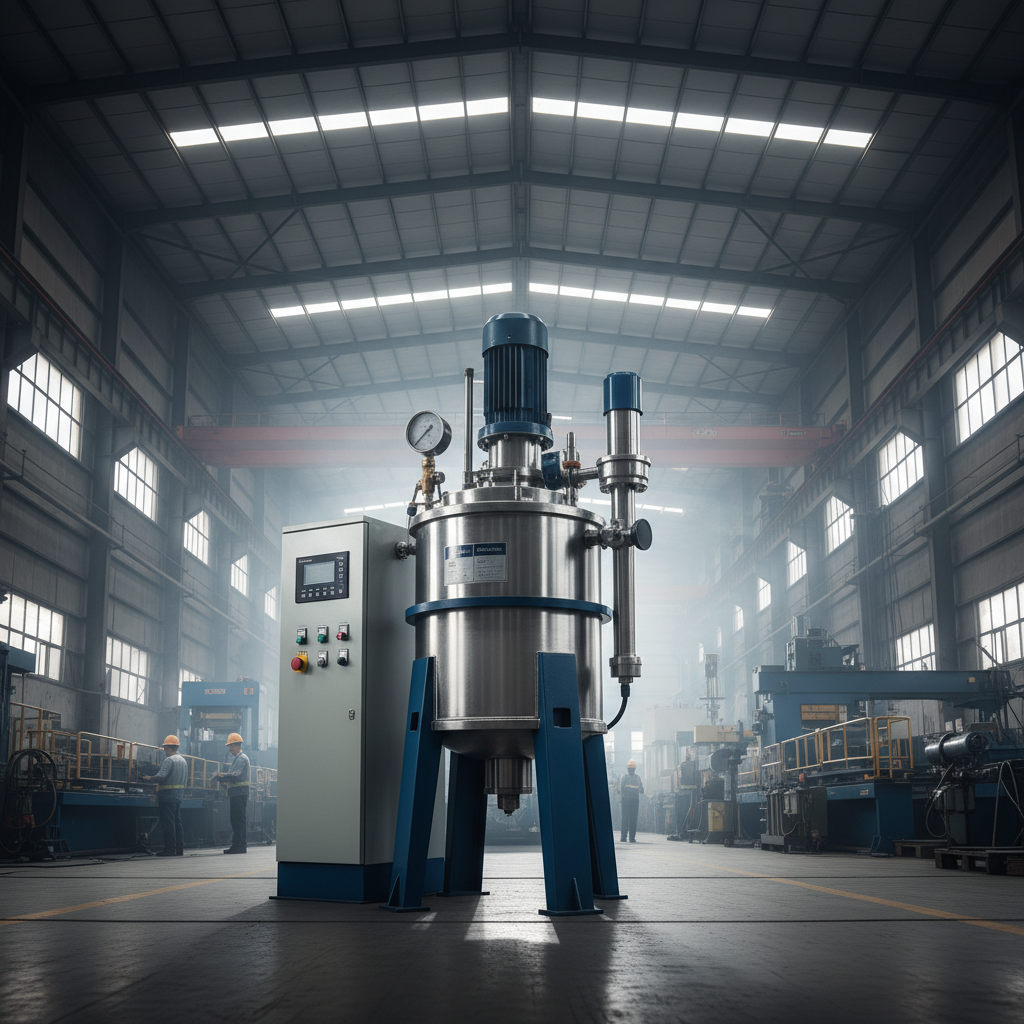
How the 7L Concrete Air Meter Ensures Structural Integrity
The primary purpose of the 7L Concrete Air Meter is to determine the percentage of air voids within a concrete mix. Too little air can leave concrete vulnerable to cracking during freeze-thaw cycles, while too much air can significantly reduce the compressive strength of the material. By utilizing a 7-liter capacity bowl, the device provides a larger sample volume, which often results in more representative data for mixes containing large aggregates. This precision allows engineers to adjust the mix design in real-time, ensuring that the final pour meets the exact specifications required for the environment.
Expert Insight: A 7L capacity is particularly advantageous for heavy-duty industrial concrete, as it minimizes the "edge effect" and provides a more stable reading compared to smaller 5L or 6L alternatives.
Operating Principles of the 7L Concrete Air Meter
The device operates on the principle of pressure-volume relationship (Boyle's Law). The concrete sample is placed in the 7L bowl, compacted, and then sealed. Water is introduced to fill the remaining space, and air pressure is applied. By measuring the change in volume of the air trapped within the concrete under known pressure, the device calculates the exact air content. The 7L Concrete Air Meter is engineered to minimize leakage and maximize pressure stability, which is essential for achieving lab-grade accuracy in the middle of a noisy, dusty construction site.
7L Concrete Air Meter Specifications and Performance
When selecting testing equipment, technical specifications are the only way to ensure the tool is fit for purpose. The 7L model is designed for durability and high precision. Below is a detailed specification table highlighting the capabilities of a professional-grade unit found at CZ Lab Instrument.
Comparing the 7L Concrete Air Meter vs. Other Methods
There are various ways to test air content, including the volumetric method and the gravimetric method. However, the 7L Concrete Air Meter (Pressure Method) is the industry standard for most field tests due to its speed and reliability. Unlike the gravimetric method, which requires a laboratory furnace and hours of drying, the pressure method provides results in minutes, allowing for immediate decision-making on the job site.
Maintenance Tips for Your 7L Concrete Air Meter
To maintain the high accuracy of your 7L Concrete Air Meter, regular maintenance is non-negotiable. Concrete is abrasive and alkaline, which can wear down seals and clog valves over time. First, always clean the bowl and the pump assembly immediately after each use to prevent cement paste from hardening. Second, check the O-rings and gaskets for wear; a tiny leak can lead to significant measurement errors. Finally, calibrate your device periodically using a certified calibration kit to ensure that your site readings remain compliant with ASTM or EN standards.
Maintenance Checklist:
• Thoroughly wash the 7L bowl after every test cycle.
• Inspect seals for cracks or deformations monthly.
• Lubricate the pump handle and moving parts as specified.
• Perform a zero-point calibration check weekly.
Conclusion: Elevating Quality with Precision Testing
The 7L Concrete Air Meter is more than just a piece of equipment; it is a safeguard for the longevity of any concrete structure. By providing accurate, repeatable, and fast measurements of air content, it allows engineers to optimize mix designs and avoid the devastating effects of freeze-thaw damage. For those committed to excellence in construction, investing in a high-quality air meter from CZ Lab Instrument ensures that every cubic meter of concrete poured is a step toward a safer, more durable future.
Frequently Asked Questions (FAQs)
Why is the 7L size preferred over smaller air meters?
The 7L capacity is preferred primarily because it accommodates a larger volume of concrete, which is essential for mixes with large coarse aggregates. In smaller bowls, large stones can occupy a disproportionate amount of space, leading to "sampling bias" and inconsistent results. The 7L volume provides a more statistically representative sample of the overall batch, ensuring that the air content reading is accurate regardless of the aggregate size used in the project.
How often should I calibrate my 7L Concrete Air Meter?
For high-stakes projects, we recommend a full calibration check at the start of every project and then at regular intervals—typically every 3 to 6 months depending on the frequency of use. However, a "quick check" using a known air-free sample should be done weekly. Constant exposure to the harsh environment of a construction site can cause minor shifts in the pressure gauge or seal integrity, so regular calibration is the only way to ensure your data holds up under audit or inspection.
Can the pressure method be used for all types of concrete?
The pressure method used by the 7L Concrete Air Meter is suitable for most standard concrete mixes. However, it may not be the ideal choice for very lightweight concrete or concrete containing extremely high amounts of air (such as cellular concrete), where the gravimetric method is often preferred. For standard structural, pavement, and industrial concrete, the pressure method is the most efficient and widely accepted standard worldwide.
What causes incorrect readings in air content testing?
Incorrect readings are usually caused by three main factors: improper consolidation, air leaks, and temperature fluctuations. If the concrete is not rodded or tamped correctly into the 7L bowl, "honeycombing" can occur, creating artificial air pockets that inflate the reading. Similarly, a worn-out seal on the lid will allow air to escape, leading to a falsely low reading. Finally, because the device relies on pressure and volume, extreme temperature differences between the concrete and the ambient air can slightly skew results if not accounted for.


