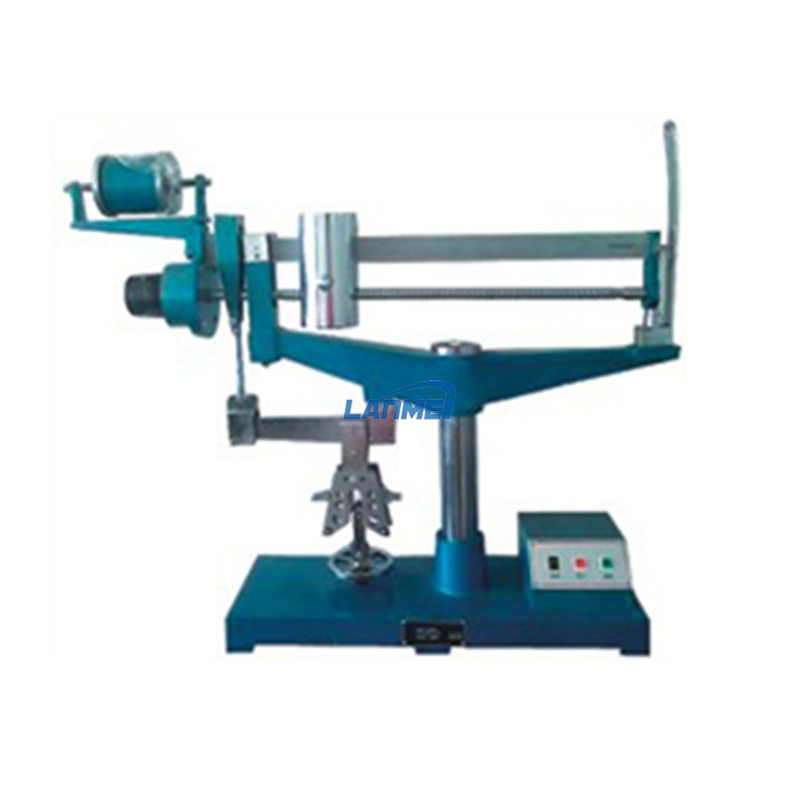
Professional Electric Soil Multifunctional Compactor Factory and Suppliers in China
Get high-precision electric lab soil multifunctional compactors from leading China factory suppliers. Engineered for water conservancy, railway, and airport projects to determine dry density and moisture content. Supports CBR and resilience modulus tests with automated digital counting.
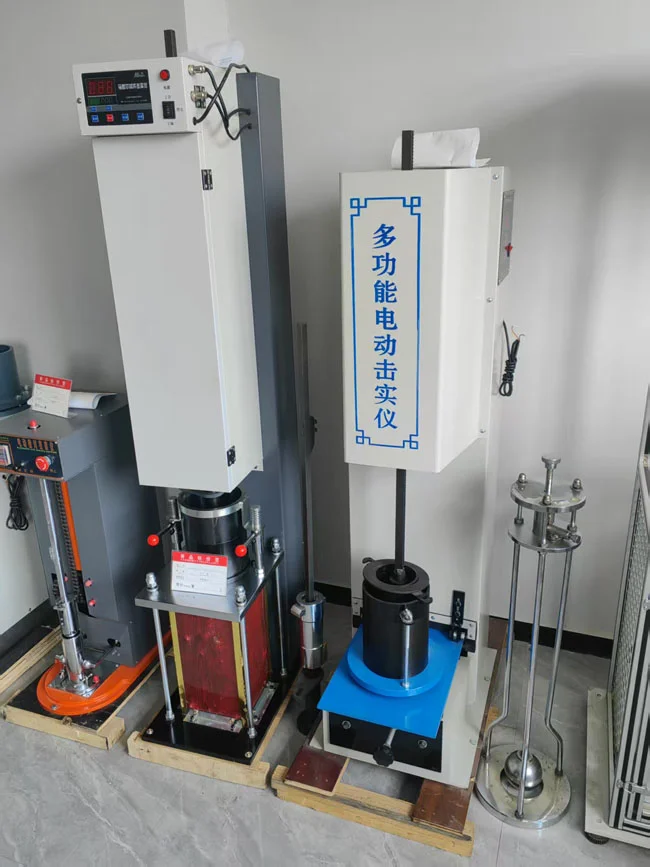
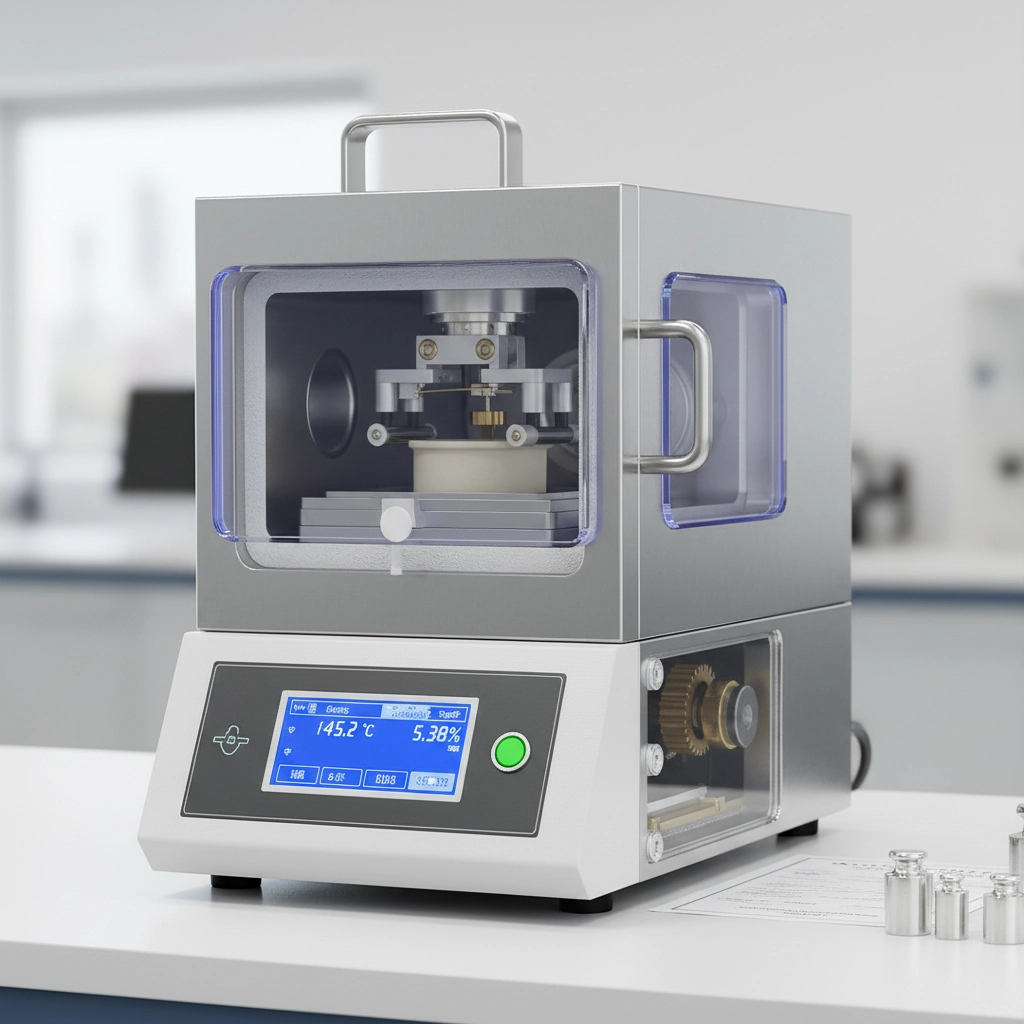
The Electric Lab Soil Multifunctional Compactor is a professional-grade, high-precision instrument engineered for critical foundational engineering projects. It is indispensable for construction across water conservancy dams, highways, railways, airports, and general civil building works. By utilizing standardized compaction methods, this versatile system enables geotechnical engineers to precisely determine the relationship between soil density and water ratio, ensuring the identification of critical dry density and optimal moisture content for structural stability.
Designed for maximum versatility and strict compliance, the equipment supports both light and heavy compaction modes and is fully compatible with CBR and resilience modulus tests. To ensure industrial reliability, it features an upgraded rack-and-pinion drive system that eliminates common hammer drop failures. With integrated digital displays, automatic counting, and cyclic operation, this compactor maximizes testing efficiency while adhering strictly to JTG3430 – 2020 and other international national standards.
Detailed Parameters
| Power Supply | 220V / 750W | Main Machine Weight | 170kg |
|---|---|---|---|
| Overall Dimensions | 450 × 950 × 1600mm | Drive System | Rack-and-Pinion Drive |
| Heavy Hammer Wt. | 4.5kg (Standard) | Light Hammer Wt. | 2.5kg (Standard) |
| Heavy Drop Height | 450mm / 457mm | Light Drop Height | 300mm / 305mm |
| Striking Speed | 28-39 times/minute | Control System | Auto Counting & Shutdown |
Key Advantages
Industrial Durability
Built with high-grade materials to withstand rigorous laboratory use and various abrasive soil-cement mixtures.
Automated Efficiency
Features automatic cyclic operation and hammer lifting, significantly reducing manual labor and human fatigue.
Multi-Standard Compliance
Fully complies with Ministerial, National, and Water Conservancy standards, including the JTG3430 – 2020 protocol.
Digital Precision
Integrated digital display and automatic numbering ensure precise tracking of compaction cycles without error.
Versatile Testing
Expertly prepares specimens for CBR, resilience modulus, and various soil-cement strength tests.
Eco-Friendly Operation
Optimizes material usage to reduce waste, supporting sustainable construction and geotechnical research.
Product Gallery
Management Platforms
Specimen Preparation
Efficiently prepare standardized soil-cement samples for comprehensive strength testing.
Energy Control
Adjustable compaction energy settings to meet specific geotechnical project requirements.
Cycle Monitoring
Real-time tracking of strike counts via an intuitive digital interface for zero error.
Quality Assurance
Ensures consistent dry density plotting to determine optimal moisture content accurately.
Site Integration
Portable enough for field tests while remaining robust for permanent laboratory setups.
System Reliability
Rack-and-pinion mechanism prevents hammer misalignment and failure during operation.
Investment Return Comparison
| Comparison Feature | Manual Compactor | Electric Multifunctional |
|---|---|---|
| Labor Cost | High (Manual Effort) | Low (Automated) |
| Testing Speed | Slow/Inconsistent | Fast/Standardized |
| Data Accuracy | Prone to Human Error | High (Digital Counting) |
| Versatility | Single Standard | Multi-Standard Support |
| ROI Period | Long (Labor Heavy) | Short (Efficiency Gain) |
Frequently Asked Questions
This instrument complies with the industry standards of the People’s Republic of China (JTG3430 – 2020), as well as specific Ministerial, National, and Water Conservancy standards for both light and heavy compaction.
Yes, it is specifically designed to satisfy the specimen preparation requirements for California Bearing Ratio (CBR) tests and resilience modulus tests.
The rack-and-pinion system avoids common issues found in chain-drive systems, such as dropped hammers or hammers that fail to lift, ensuring smoother and safer continuous operation.
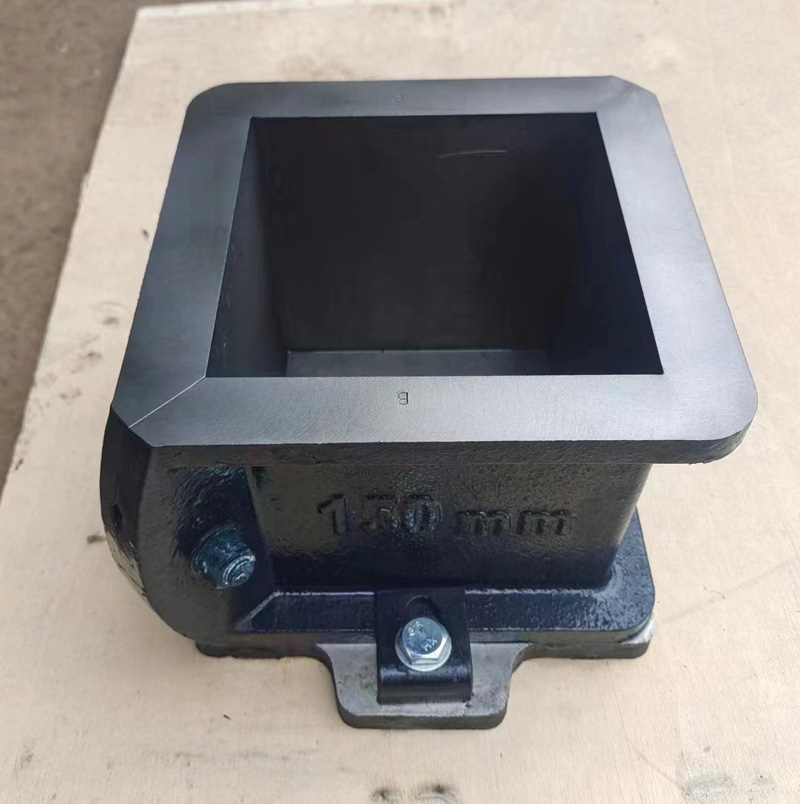
No, compaction moulds need to be ordered separately to match the specific test cylinder sizes (e.g., φ100mm, φ152mm) required for your project.
By performing multiple tests at varying moisture levels, the machine allows for the accurate plotting of curves between water content and dry density to identify the optimal moisture point.
The instrument is designed for use in both environments, including traffic scientific research departments, universities, construction unit laboratories, and on-site field tests.