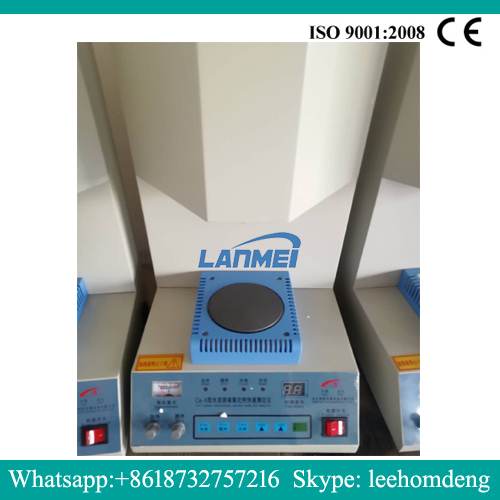
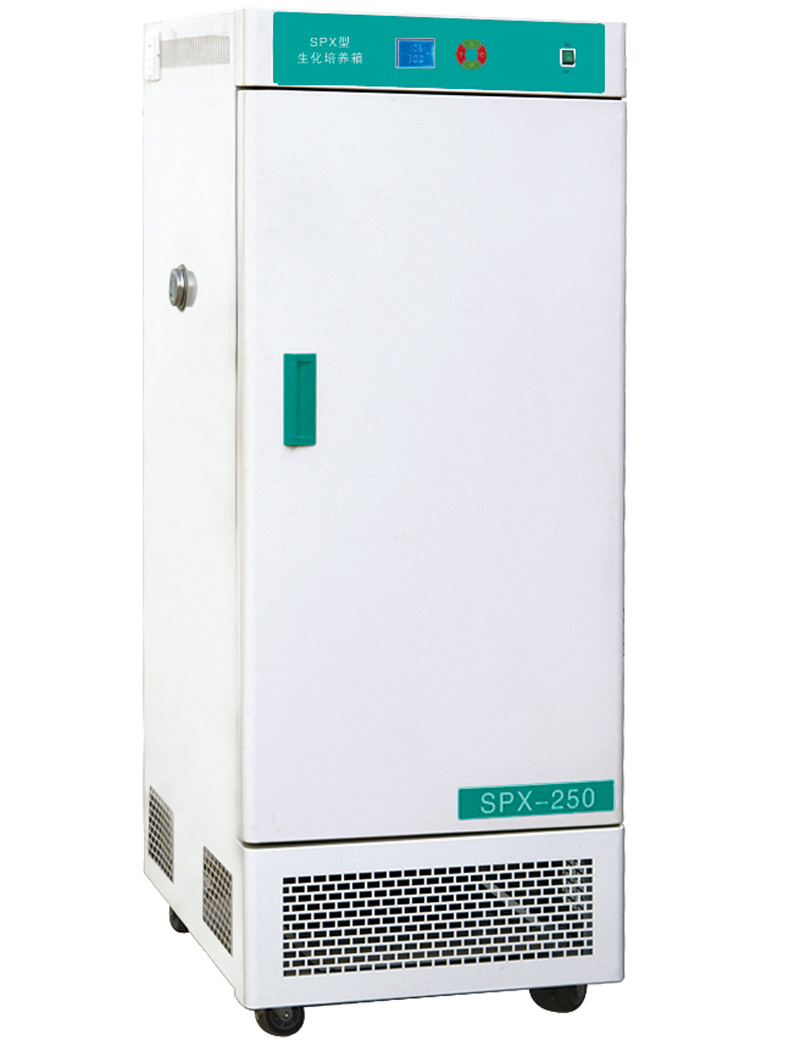
Advanced biochemical incubators Solutions for Nigeria's Research Sector

Empowering Nigerian laboratories with precision-engineered thermal control and sample preparation instruments to accelerate scientific breakthroughs in West Africa.

Current State of Laboratory Instrumentation in Nigeria

Analyzing the intersection of tropical climates and industrial testing requirements.

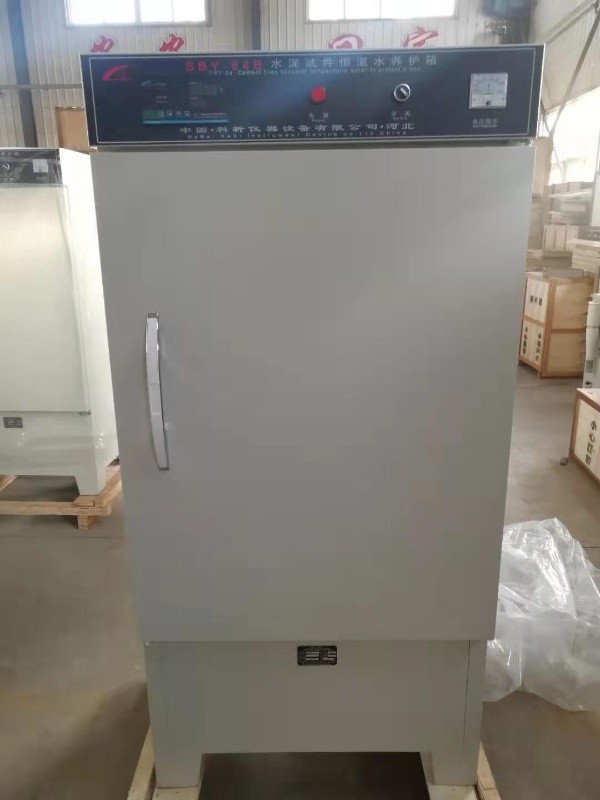
In Nigeria, the manufacturing and research sectors face unique challenges due to high ambient humidity and fluctuating power grids. The demand for a reliable Cooling incubator has surged as laboratories strive to maintain precise temperature gradients for sensitive biological samples despite the external tropical heat.

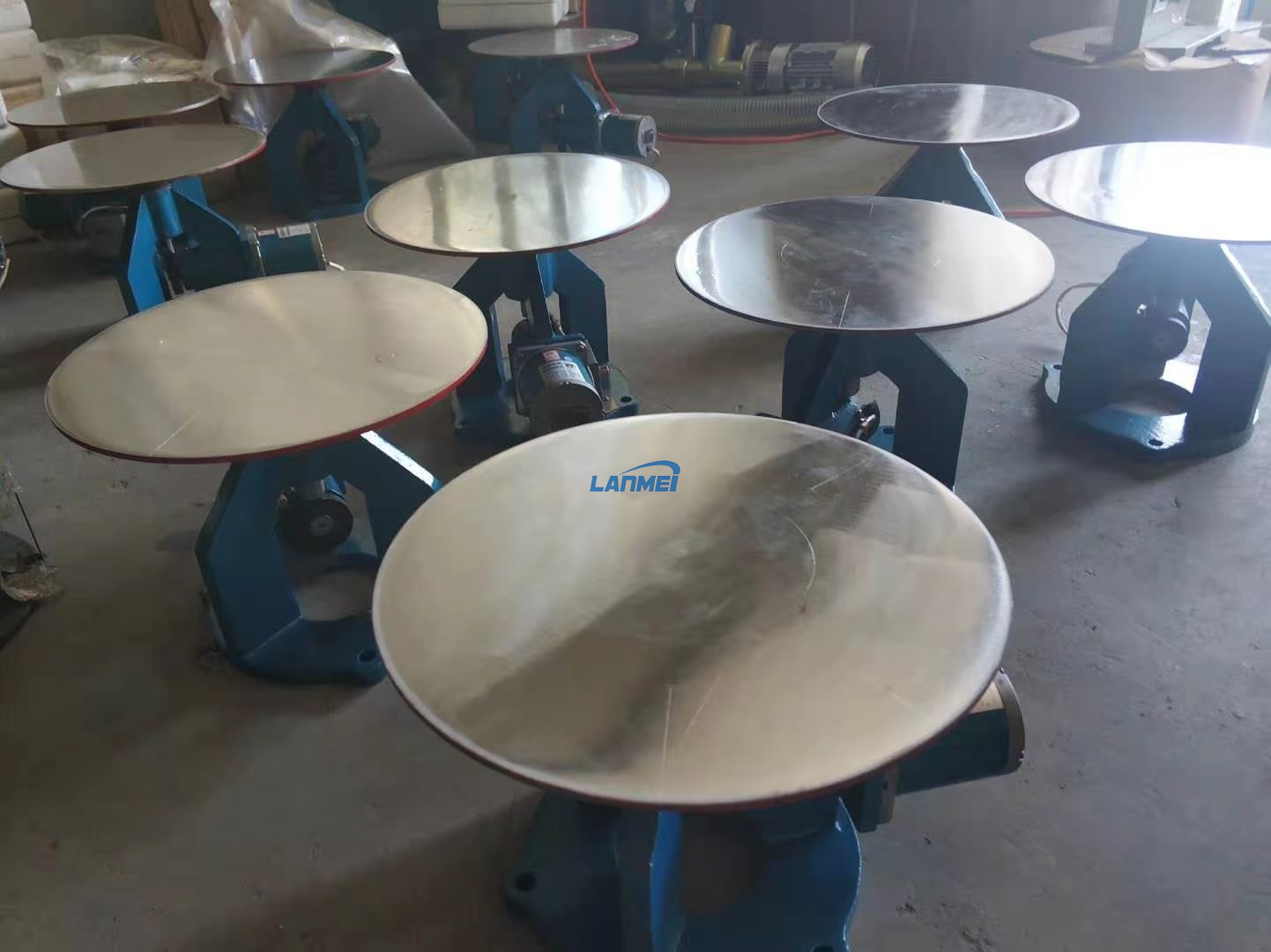
The industrial landscape, particularly in Lagos and Kano, is seeing a shift toward formalized material testing. This has led to an increased adoption of the Laboratory sample Crusher to ensure standardized sample homogeneity for mineral and agricultural analysis, reducing the reliance on manual, inconsistent preparation methods.

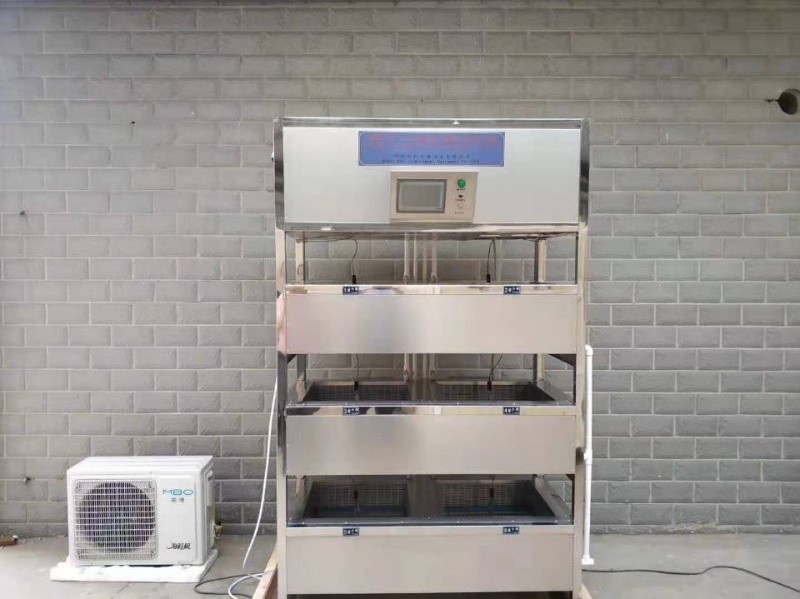
Furthermore, the growth of biotech hubs in Nigeria requires sophisticated Lab BOO incubator systems. These facilities are transitioning from basic heating boxes to precision-controlled environments that can withstand local voltage instability while ensuring the integrity of biochemical reactions.
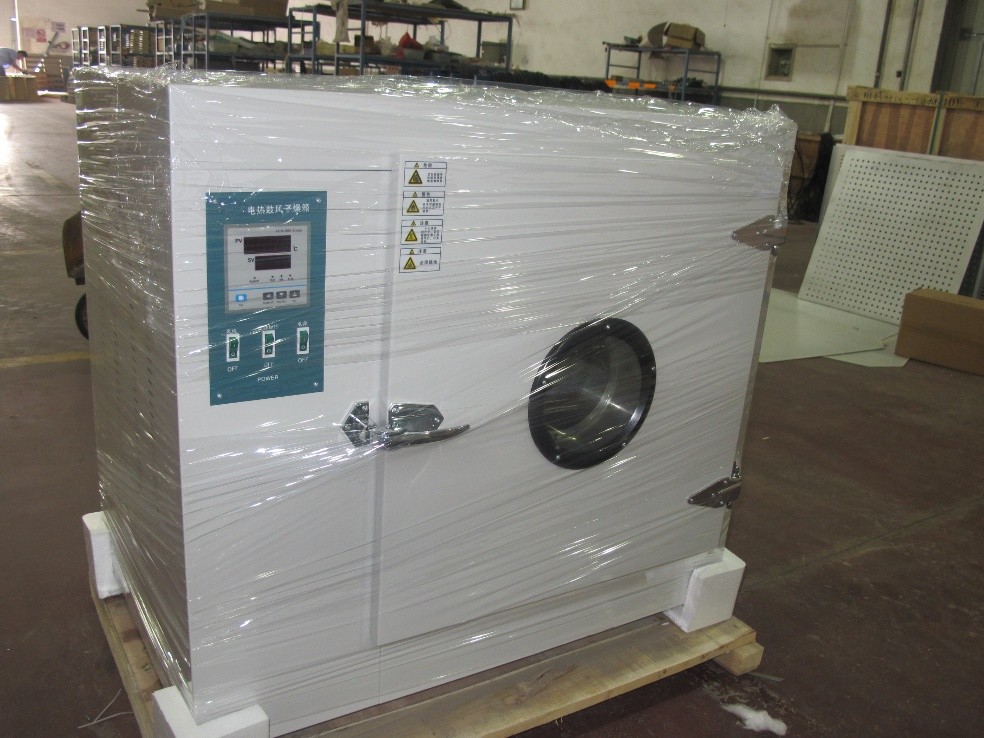
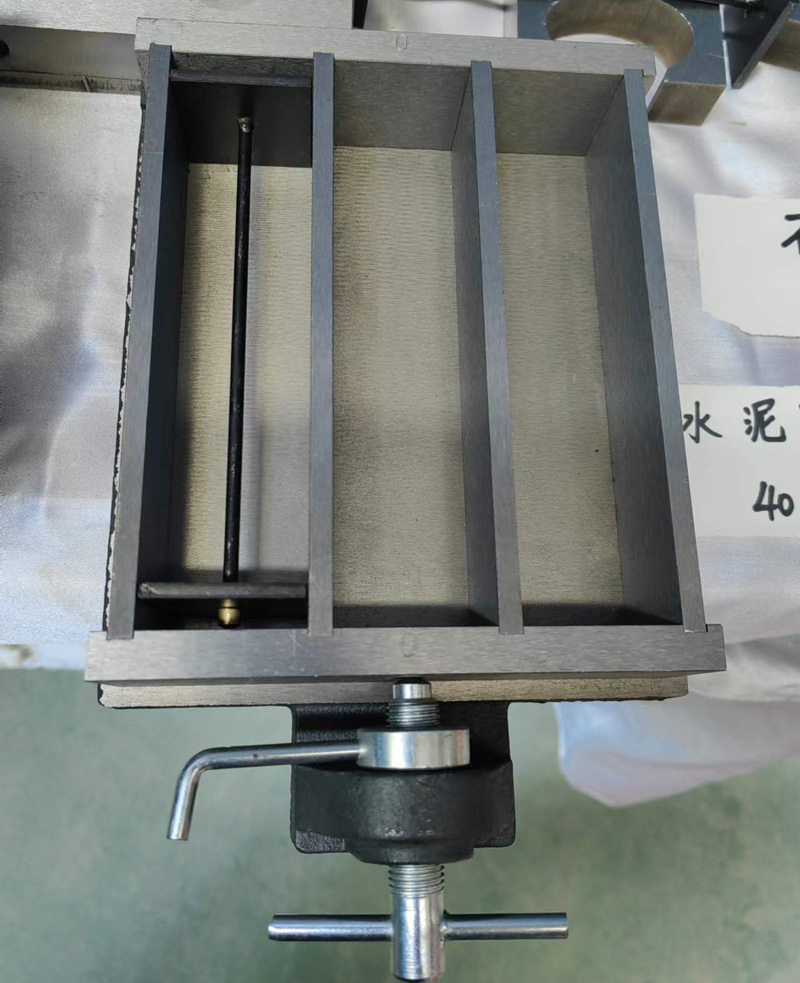
Evolution and Trajectory of Testing Equipment

From manual processing to automated precision in the Nigerian lab ecosystem.

Market Development History

Prior to 2010, most Nigerian laboratories relied on imported second-hand equipment with limited calibration capabilities. Sample preparation was largely rudimentary, often lacking the precision of a professional Laboratory sample Crusher, leading to high variance in experimental results.

Between 2010 and 2020, there was a significant pivot toward digital control. The introduction of PID controllers in lab incubators allowed researchers to simulate specific environmental conditions more accurately, supporting the growth of local pharmaceutical production.

From 2020 to the present, the focus has shifted to "Robust Intelligence." Modern equipment is now designed with reinforced compressors and advanced insulation to operate efficiently in Nigeria's specific climatic zones, ensuring that biochemical incubators maintain stability during power transitions.

Future Development Trends

IoT-Enabled Remote Monitoring

Integration of cloud-based monitoring will allow Nigerian lab managers to track incubator temperatures via mobile devices, mitigating risks associated with unexpected power outages.

Energy-Efficient Cooling Systems

Shift toward green refrigerants and inverter technology in cooling units to reduce the operational cost and carbon footprint of large-scale research facilities.

Hyper-Specialized Sample Processing

Development of modular crushing systems that can be quickly swapped for different material densities, catering to Nigeria's diverse mining and agricultural exports.

Industry Trends and Future Outlook

Strategic directions for material testing and biochemical incubation.

Precision Thermal Stability
Advancements in airflow dynamics to eliminate cold spots in large-scale incubation units.
Automation of Sample Prep
Integrating automated feeding systems with sample crushers to increase lab throughput.
Voltage Adaptive Design
Developing hardware with wide-range voltage tolerance for the Nigerian power environment.
Compliance Standardization
Aligning local lab outputs with ISO/IEC 17025 global testing standards.

Industry Outlook

Google search trends in the West African region indicate a growing interest in "sustainable lab equipment" and "low-energy cooling." This suggests that future market winners in Nigeria will be those who combine high-end precision with energy efficiency.

We anticipate a 15% annual increase in the demand for integrated testing suites—where sample crushing and thermal incubation are synchronized via a single digital interface—streamlining the workflow for Nigerian universities and industrial plants.

Localized Application Scenarios in Nigeria

Real-world implementation of testing instruments across key Nigerian industries.

01. Agricultural Soil Analysis in Benue State

Using the Laboratory sample Crusher to process diverse soil samples into fine powder for nutrient testing, ensuring food security through precise fertilizer application.

02. Pharmaceutical Quality Control in Lagos

Implementing biochemical incubators for the stability testing of temperature-sensitive drugs, ensuring efficacy despite the external Nigerian heat.

03. Mineral Testing in Jos Plateau

Utilizing heavy-duty crushing equipment to prepare geological samples for assaying, allowing mining companies to accurately determine ore purity.

04. Tropical Pathology Research in Ibadan

Employing a Cooling incubator to maintain precise low-temperature environments for studying tropical disease pathogens.

05. Food Safety Inspections in Kano

Using lab incubators to cultivate microbial samples from processed foods, ensuring compliance with Nigerian health regulations.

Brand Story

Global Development Journey of Cangzhou Lanmei Import and Export Trade Co., Ltd.

Foundational Precision

Started with a mission to bridge the gap between high-end engineering and industrial accessibility in the testing instrument market.

Technological Breakthrough

Developed advanced thermal control algorithms that solved the common issue of temperature fluctuation in biochemical incubation.

Global Expansion

Extended our reach to West Africa, specializing in equipment that survives and thrives in challenging environmental conditions.

User-Centric Innovation

Re-engineered our sample crushers based on direct feedback from mining and agricultural labs in emerging markets.

Sustainable Future

Now leading the transition toward energy-efficient, IoT-integrated laboratory solutions for the next generation of scientists.

Comprehensive Lab Suite for Nigeria

A curated selection of instruments designed for the unique demands of Nigerian research and industry.

Common Questions for Nigerian Lab Operators

Expert answers to technical challenges in the local environment.

How to maintain a Cooling incubator during power outages in Nigeria?

We recommend pairing our units with a dedicated stabilizer and a UPS system. Our cooling incubators are designed with high-density insulation to maintain internal temperatures for longer periods during short interruptions.

Can the Laboratory sample Crusher handle hard minerals from the Jos Plateau?

Yes, our crushers use tungsten carbide or hardened steel alloys specifically designed for high-hardness minerals, ensuring consistent particle size without frequent wear.

What is the difference between Lab BOO incubator and standard lab incubators?

The Lab BOO series offers enhanced precision and specialized atmospheric controls tailored for biochemical reactions, whereas standard lab incubators provide general temperature maintenance.

Are biochemical incubators compliant with international safety standards?

Absolutely. All our biochemical incubators meet CE and ISO certifications, ensuring safety and precision for global pharmaceutical and medical research.

What is the lead time for shipping testing equipment to Lagos?

Depending on the customization level, shipping typically takes 3-5 weeks via sea freight, with faster options available for air freight for smaller components.

Do you provide calibration services for lab equipment in Nigeria?

We provide detailed calibration guides and remote technical support to help your local technicians maintain the equipment to international standards.

Request a Technical Consultation

Get a customized equipment plan tailored for your laboratory needs in Nigeria.

Contact Us Now
Leave Your Message

If you are interested in our products, you can choose to leave your information here, and we will be in touch with you shortly.