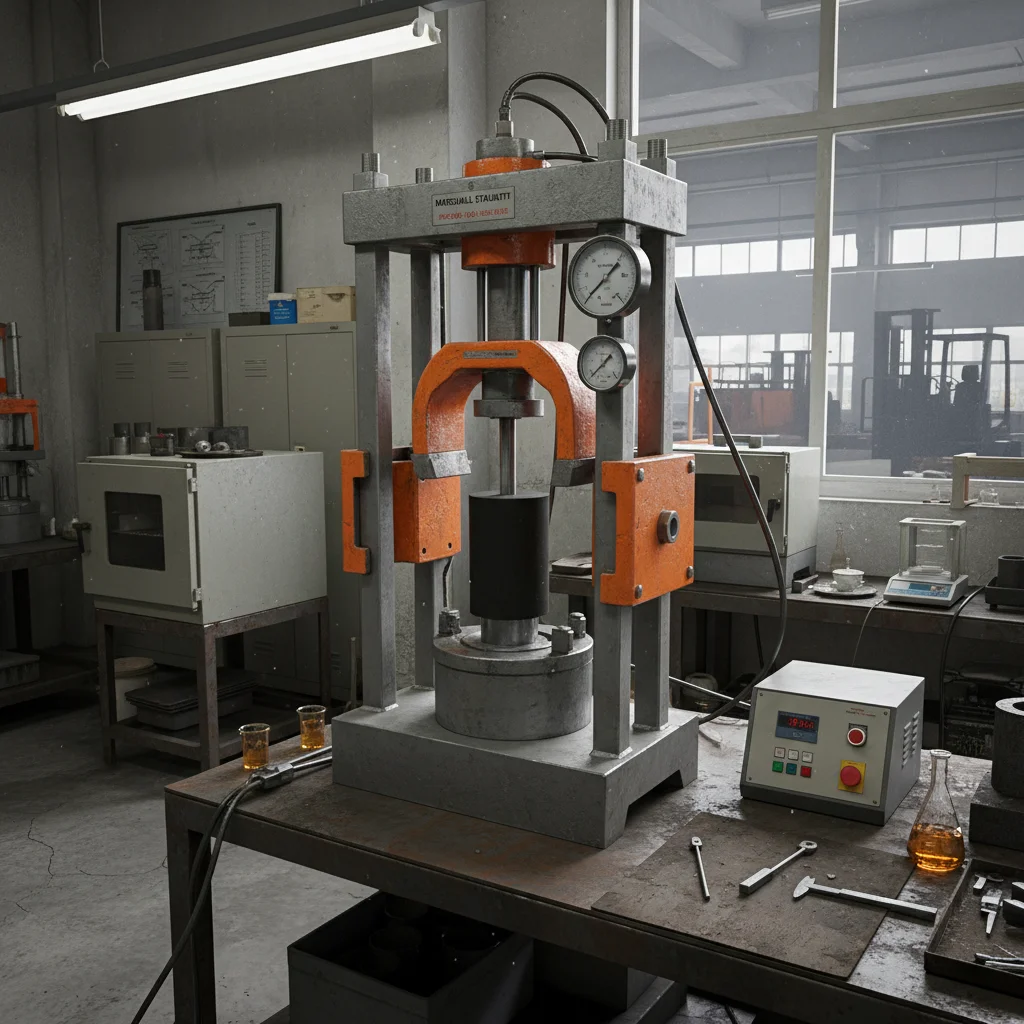
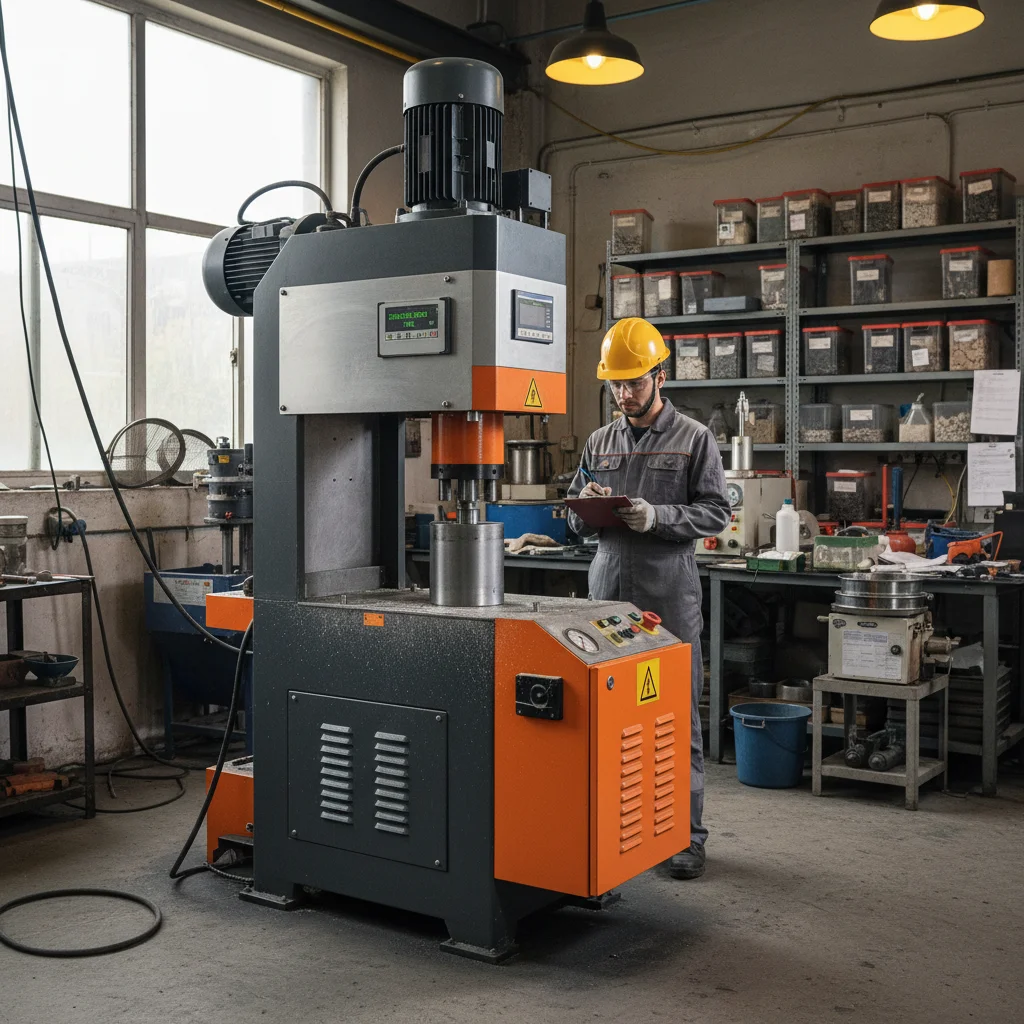
Selecting a reliable Magnetic Stirrer Hotplate factory is critical for laboratories requiring precise thermal control and homogenous mixing in chemical and materials science. In the specialized field of instrument manufacturing, the integration of heating and stirring capabilities reduces benchtop clutter and minimizes the risk of sample contamination during critical reaction phases.
Procurement managers and laboratory engineers often struggle with balancing temperature stability and stirring torque. A low-quality hotplate can lead to uneven heating "hot spots" or inconsistent RPMs, which directly compromise the repeatability of experimental results in high-precision environments like civil engineering and chemical synthesis labs.
This analysis provides a framework for evaluating manufacturing capabilities, technical specifications, and selection criteria to ensure the chosen equipment aligns with specific operational demands and safety standards.

Core Functionality of Magnetic Stirrer Hotplates

A magnetic stirrer hotplate operates by utilizing a rotating magnetic field created by a motor-driven magnet beneath the heating surface. This field interacts with a Teflon-coated magnetic stir bar placed inside the vessel, ensuring a vortex-driven mix without the need for mechanical shafts that could introduce impurities or leakages.
From a manufacturing perspective, the synergy between the heating element—typically ceramic or aluminum—and the magnetic drive determines the equipment's lifespan. High-grade factories focus on the decoupling of the electronic drive and the heating circuit to prevent thermal interference with the stirring speed control.
Critical Technical Specifications for Evaluation
When auditing a Magnetic Stirrer Hotplate factory, the focus must remain on the precision of the PID (Proportional-Integral-Derivative) controllers. These controllers ensure that the plate reaches the target temperature without significant overshoot, which is vital for volatile chemicals or temperature-sensitive biological samples.
Key parameters include the maximum stirring speed (RPM), the temperature range, and the plate's thermal inertia. A plate with low thermal inertia heats up and cools down faster, providing the operator with more agile control over the reaction kinetics.
Industrial and Laboratory Application Scenarios
These instruments are indispensable across various sectors. In chemical synthesis, they are used for refluxing and dissolving solids. In materials testing labs—such as those specializing in cement and concrete instruments—heating plates are often used for preparing specific liquid additives or curing simulations where temperature consistency is paramount.
Beyond basic chemistry, they are employed in environmental testing for sample digestion and in the pharmaceutical industry for preparing reagent solutions. The ability to maintain a constant temperature while stirring ensures that the concentration of solutes remains uniform throughout the volume.
Performance Metrics in Thermal Distribution
Thermal uniformity across the plate surface is a primary indicator of manufacturing quality. In a conceptual evaluation of plate materials, ceramic surfaces often offer higher chemical resistance but slower heat transfer compared to aluminum plates. The following illustrative framework shows the relative efficiency of different plate configurations based on normalized heating and durability scores.
This normalized data suggests that while aluminum provides the fastest response time, ceramic surfaces are preferred for long-term industrial use due to their resistance to corrosive reagents and superior stability at extreme temperatures.
Evaluating Manufacturer Production Capabilities
A capable factory is distinguished by its quality control (QC) processes. For a company like Cangzhou Blue Beauty Instrument Co., Ltd., which operates within the rigorous standards of building materials and laboratory equipment manufacturing, the implementation of ISO-compliant quality systems is essential to ensure a high pass rate for finished products.
Buyers should look for factories that maintain integrated departments for R&D, quality inspection, and after-sales support. This integration ensures that feedback from the field is used to optimize the heat distribution algorithms and the mechanical stability of the magnetic drive system.
Common Integration Risks and Mitigation
One frequent risk in the use of magnetic stirrers is "spin-out," where the stir bar loses coupling with the magnetic field at high speeds. This is often caused by improper stir bar sizing or poor magnetic flux density in the factory-built drive. Selecting equipment with a high-torque motor and a precise centering guide can mitigate this issue.
Additionally, thermal lag can lead to sample overheating if the operator relies solely on the plate temperature rather than an external probe. To solve this, procurement should prioritize models that support external PT100 or K-type thermocouple probes for direct liquid temperature monitoring.
Selection Framework for Procurement Decisions
Choosing the right equipment requires mapping the specific application requirements to the technical capabilities of the hardware. Whether the priority is chemical resistance, rapid heating, or high-volume stirring, the following comparison provides a decision-making guide for different lab needs.
| Configuration | Primary Strength | Best Use Case | Main Limitation |
|---|---|---|---|
| Ceramic Plate | Chemical Resistance | Corrosive Acid Mixing | Slower Heat-up Time |
| Aluminum Plate | Thermal Conductivity | Rapid Temperature Ramps | Prone to Corrosion |
| Digital PID | Precision Control | Sensitive Reagents | Higher Initial Cost |
| Analog Control | Simplicity | Basic Heating/Mixing | Lower Repeatability |
| External Probe | Direct Monitoring | Exact Temp Reactions | Increased Setup Time |
| High Torque | Viscous Handling | Thick Solutions | Increased Power Draw |
Ultimately, the decision should be based on the balance between the operational environment's volatility and the required precision of the thermal process.
Frequently Asked Questions
A stirrer only provides the magnetic field for mixing, whereas a hotplate stirrer integrates a heating element to allow simultaneous heating and mixing of samples.
Increase the stirring speed gradually rather than abruptly, and ensure the stir bar size is appropriate for the vessel diameter and liquid viscosity.
Ceramic plates are highly recommended for acidic environments as they are inert and resistant to most corrosive chemicals compared to aluminum.
PID is a control loop mechanism that continuously calculates an error value and applies a correction to maintain the temperature precisely at the set point.
Magnetic stirrers are best for low to medium viscosity. For highly viscous fluids, an overhead stirrer is generally more effective.
Annual calibration of the temperature sensor and RPM check is recommended to maintain experimental accuracy and compliance with lab standards.
Conclusion
The effectiveness of a laboratory's thermal processing depends heavily on the precision and durability of its magnetic stirrer hotplates. By focusing on PID control, plate material suitability, and the manufacturer's quality assurance framework, labs can significantly reduce experimental error and improve operational safety.
For organizations seeking professional laboratory instrument solutions, detailed technical specifications and procurement options can be reviewed at www.czlabinstrument.com to ensure alignment with specific project requirements.