
Honestly, the whole construction scene's been buzzing about efficiency lately. Everyone's looking for ways to do more with less, right? Soil compaction’s always been a bit of a bottleneck, a real time sink, especially with those smaller jobs. And it's not just about speed, it's about consistency. You can have the best design, the fanciest equipment, but if the ground isn't properly compacted, everything's going to shift and settle. Seen it happen way too many times. It always comes down to that foundation, doesn’t it?
Have you noticed how many manufacturers are jumping on the “lightweight” bandwagon? It sounds good on paper, makes marketing easy. But I’ve encountered this at the Xinguang Machinery factory last time – a lot of these lightweight frames just don’t hold up to real-world abuse. You need something robust, something that can take a beating, because job sites aren’t exactly known for their gentle handling. It's about finding that sweet spot between portability and durability, which is tougher than it looks.
And let’s talk materials. We're using a lot of high-strength steel alloys these days, mostly Q345B. Feels solid in your hands, a bit cold, and you can smell the oil on it if it's freshly cut. We also use some polymers for the feet – a type of TPU, it’s got a rubbery feel, grips well. Not that fancy stuff, just the reliable kind. Strangely enough, the quality of the rubber feet makes a huge difference. Cheap ones crack within a month, expensive ones…well, they last a bit longer.
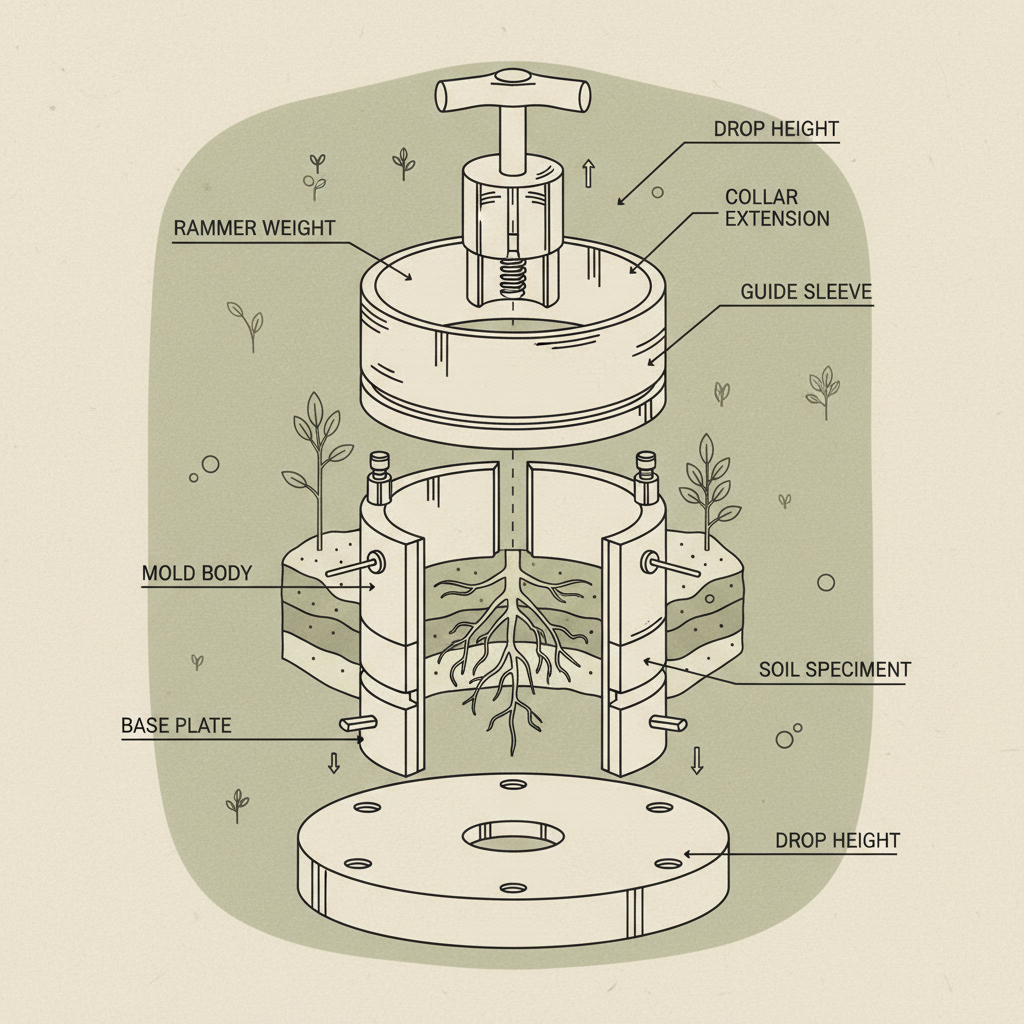
Key Trends in Soil Compaction Apparatus
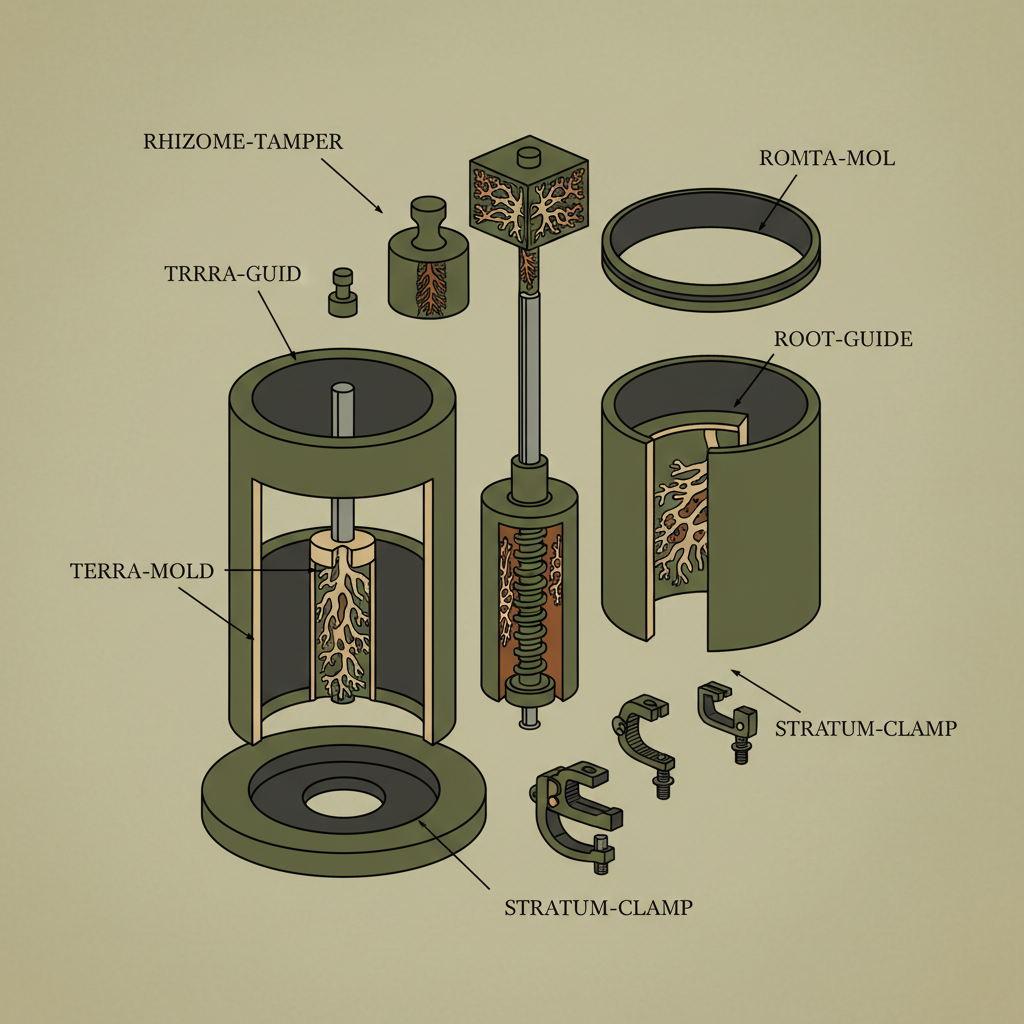
Right now, everything’s moving towards digitalization. We're seeing a lot of interest in sensors built into the plates, transmitting data back to a central system. It’s all about getting real-time compaction readings, tracking coverage, and creating digital records. Makes the paperwork a lot easier, I'll tell you that. The goal is, basically, more data, less guesswork.
Another big trend is battery power. Cordless compaction plates are gaining traction, especially for smaller jobs where dragging cables is a pain. The battery life is still a concern, mind you, but it's getting better. And frankly, the guys on-site love not having to worry about finding an outlet.
FAQS
That depends heavily on the quality of the steel and how well it’s maintained. A good one, with regular cleaning and greasing, should last at least 5 years, maybe even 7 or 8. But neglect it, leave it exposed to the elements, and you’re looking at a much shorter lifespan. I’ve seen plates completely rusted through in under a year, especially near the coast.
That’s a good question. It depends on the size of the area you’re compacting and the type of soil. Smaller plates are good for confined spaces, like sidewalks or patios. Larger plates are better for bigger areas, like roadways or parking lots. And always consider the soil type – clay requires more compaction force than sand.
Keep it clean, keep it greased, and check the fluid levels regularly. Don’t let dirt and debris build up on the plate. And if you notice any unusual noises or vibrations, stop using it and get it checked out. Simple stuff, but it makes a huge difference.
Absolutely. Renting is a great option for one-off projects. It’s cheaper than buying, and you don’t have to worry about maintenance or storage. But if you’re using it frequently, buying is probably a better investment in the long run.
Wear safety glasses, ear protection, and sturdy boots. Keep bystanders clear of the work area. And never operate the plate on a slope that’s too steep. These things are powerful machines, so treat them with respect. And for Pete's sake, read the manual!
A vibratory plate is good for compacting granular materials like sand and gravel over large areas. A rammer is better for compacting cohesive soils like clay in confined spaces. Think of it this way: plate for broad coverage, rammer for targeted compaction. They have different strengths and weaknesses, so choose the right tool for the job.
Conclusion
So, there you have it. Soil compaction isn't glamorous, but it's essential. These machines are constantly evolving, with new technologies and materials emerging all the time. The key is to find a balance between performance, durability, and ease of use. Remember, a solid foundation is crucial for any construction project, and a good compaction apparatus can make all the difference.
Ultimately, whether this thing works or not, the worker will know the moment he tightens the screw. That’s the bottom line. If you're looking for reliable Soil Compaction Apparatus solutions, visit our website at www.czlabinstrument.com.
Related Posts
-
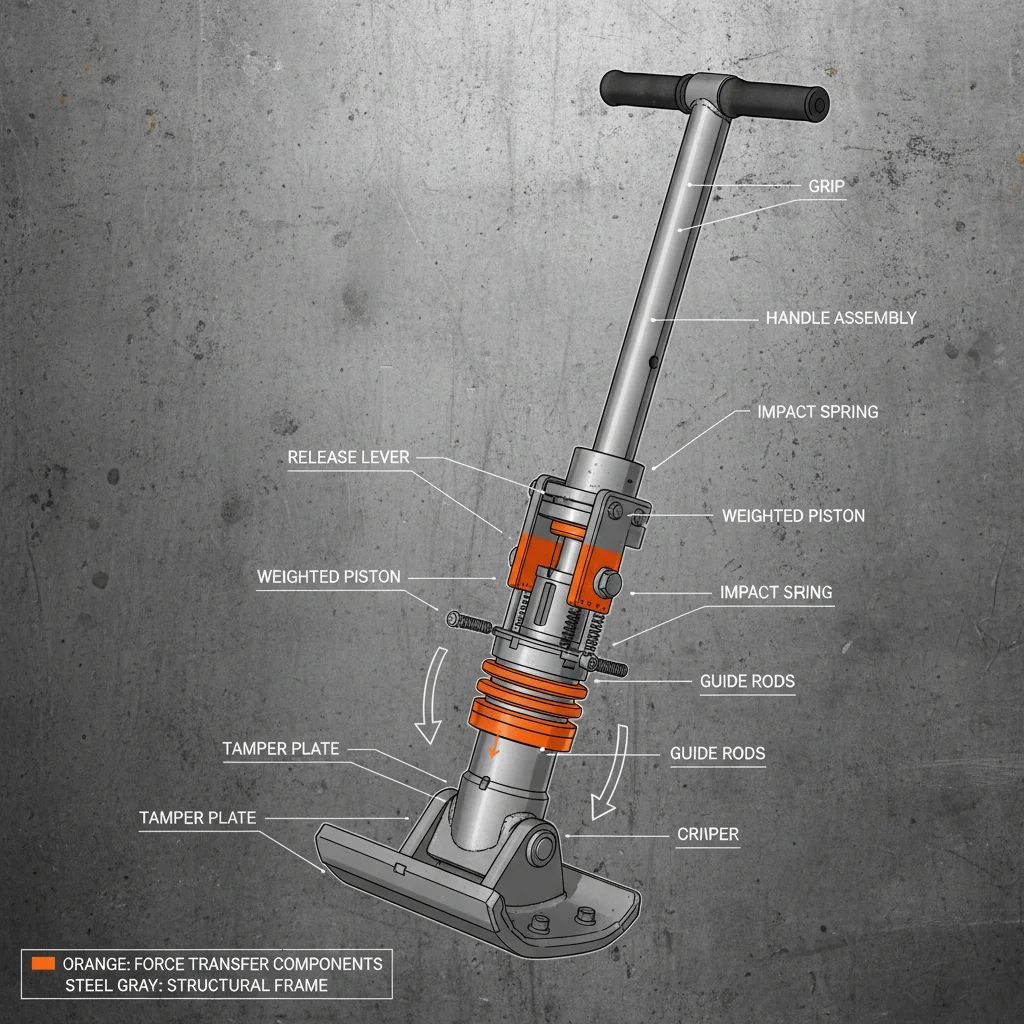
Comprehensive Guide to Manual Soil Compaction Equipment and Applications
-
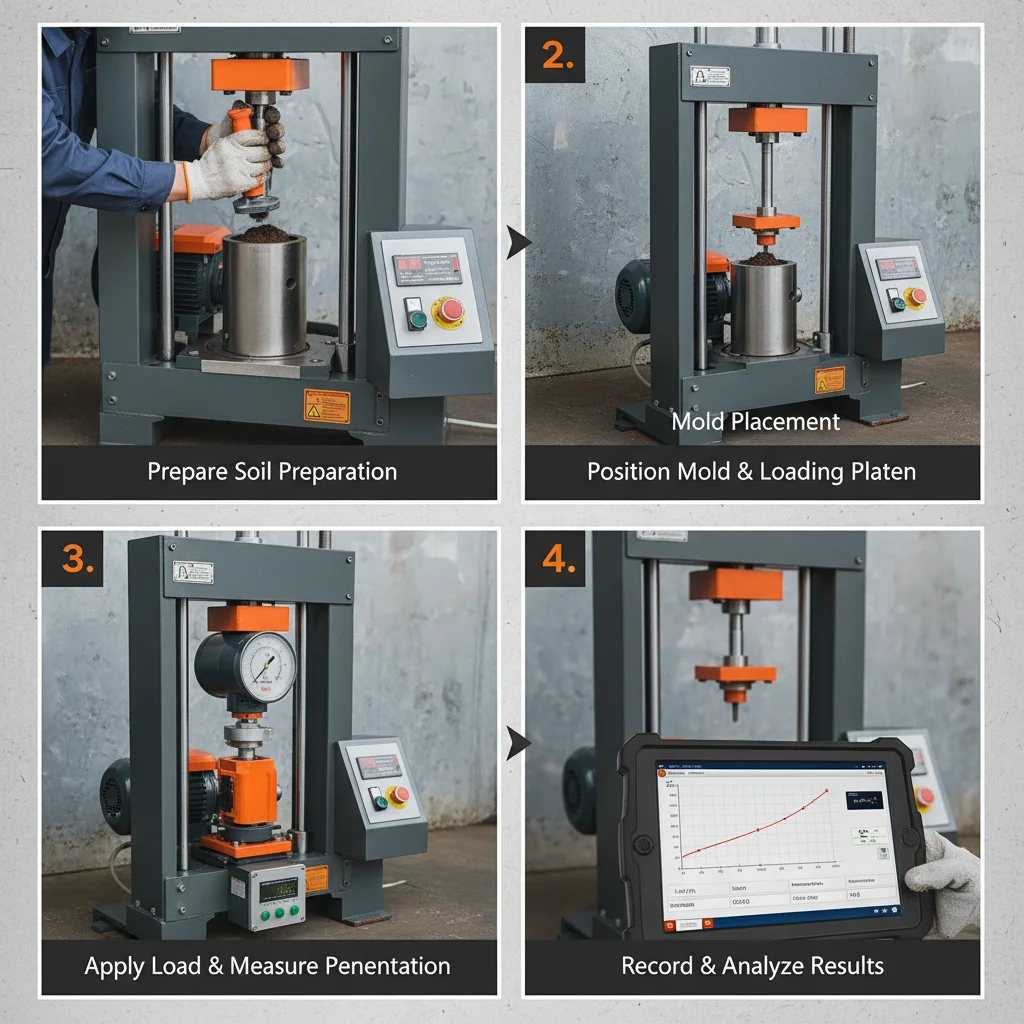
The Essential Role of CBR Test Machine in Modern Infrastructure Development
-
The 4 Marshall Stability Test Set Ensuring Durable Pavement Infrastructure
-
Advancements in Road Infrastructure with Automatic CBR Test Machine Technology