The world relies heavily on robust infrastructure, and at the heart of much of it lies concrete. Ensuring the quality and reliability of concrete structures is paramount, and this is where the Concrete Compression Machine plays a vital role. These machines aren’t simply testing tools; they are fundamental to safety, durability, and the economic viability of construction projects globally. Understanding their principles and applications is crucial for engineers, construction professionals, and anyone involved in the built environment.
The demand for resilient infrastructure is growing rapidly, driven by urbanization, population growth, and climate change. Concrete compression testing provides the data needed to verify that concrete meets required specifications, safeguarding against structural failures. From skyscrapers and bridges to residential buildings and dams, a Concrete Compression Machine is an indispensable asset in maintaining the integrity of these essential structures.
Investing in advanced concrete testing equipment, like a high-quality Concrete Compression Machine, isn’t just about compliance; it’s about building a safer, more sustainable, and more reliable future. This technology directly impacts public safety and the longevity of critical infrastructure.
The Importance of Concrete Compression Testing
Concrete compression testing is crucial for verifying the structural integrity of buildings, bridges, and other critical infrastructure. It’s a standardized procedure used to determine how much compressive stress concrete can withstand before failing. Accurate and reliable testing, facilitated by a high-quality Concrete Compression Machine, directly contributes to safety and long-term durability.
The significance extends beyond simply meeting building codes. Proactive testing helps identify potential weaknesses in concrete mixes, allowing for adjustments and preventing costly repairs or even catastrophic failures down the line. It’s a preventative measure that safeguards lives and protects investments.
Defining a Concrete Compression Machine
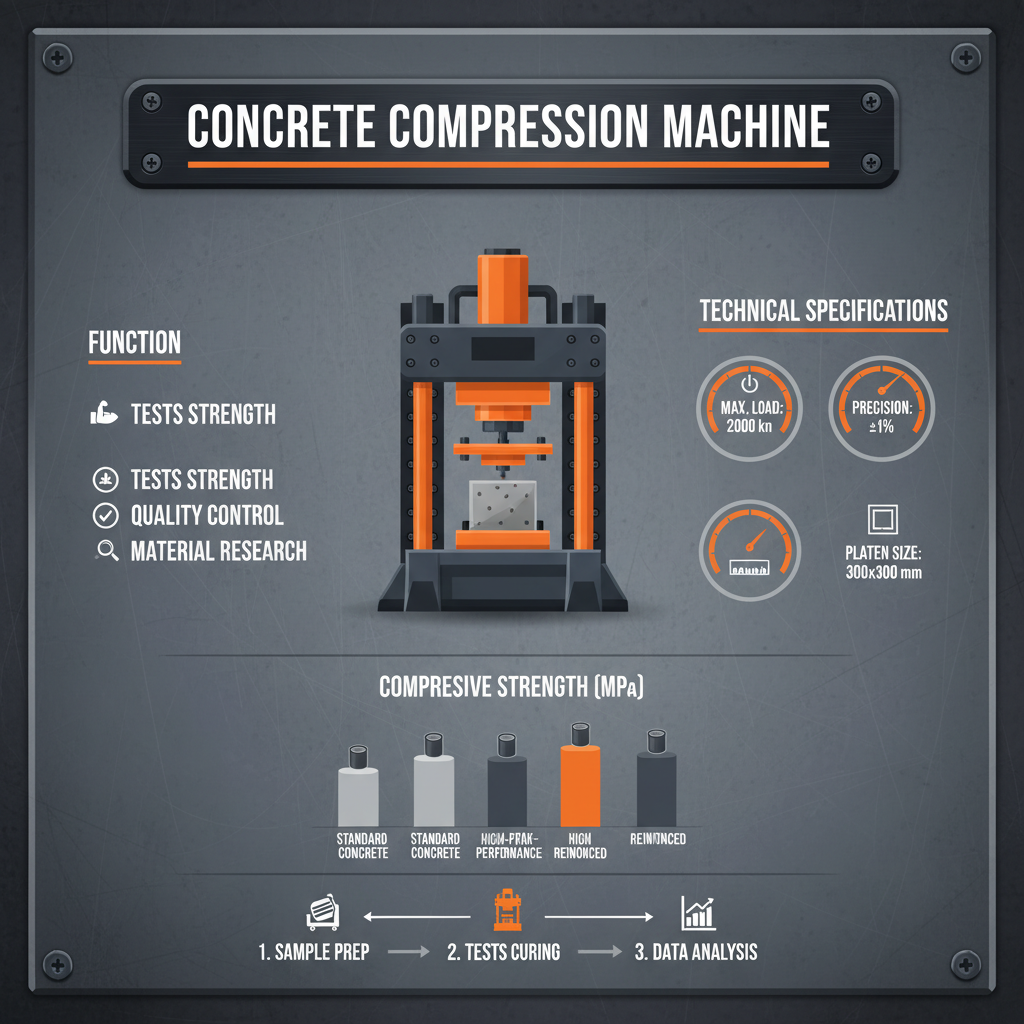
A Concrete Compression Machine is a specialized piece of testing equipment designed to measure the compressive strength of concrete specimens. These machines apply a gradually increasing axial load to a concrete cylinder or cube until it fails. The maximum load the specimen can withstand before fracturing is recorded, providing a quantifiable measure of its compressive strength.
Modern machines are often digitally controlled, providing precise load application, automated data logging, and sophisticated analysis capabilities. They are essential tools for quality control in concrete production and construction. Utilizing a Concrete Compression Machine ensures adherence to industry standards and provides reliable results.
The core purpose of a concrete compression machine is to simulate the stresses concrete will experience in real-world applications, allowing engineers to confidently assess its suitability for various construction projects.
Key Components & Operational Principles
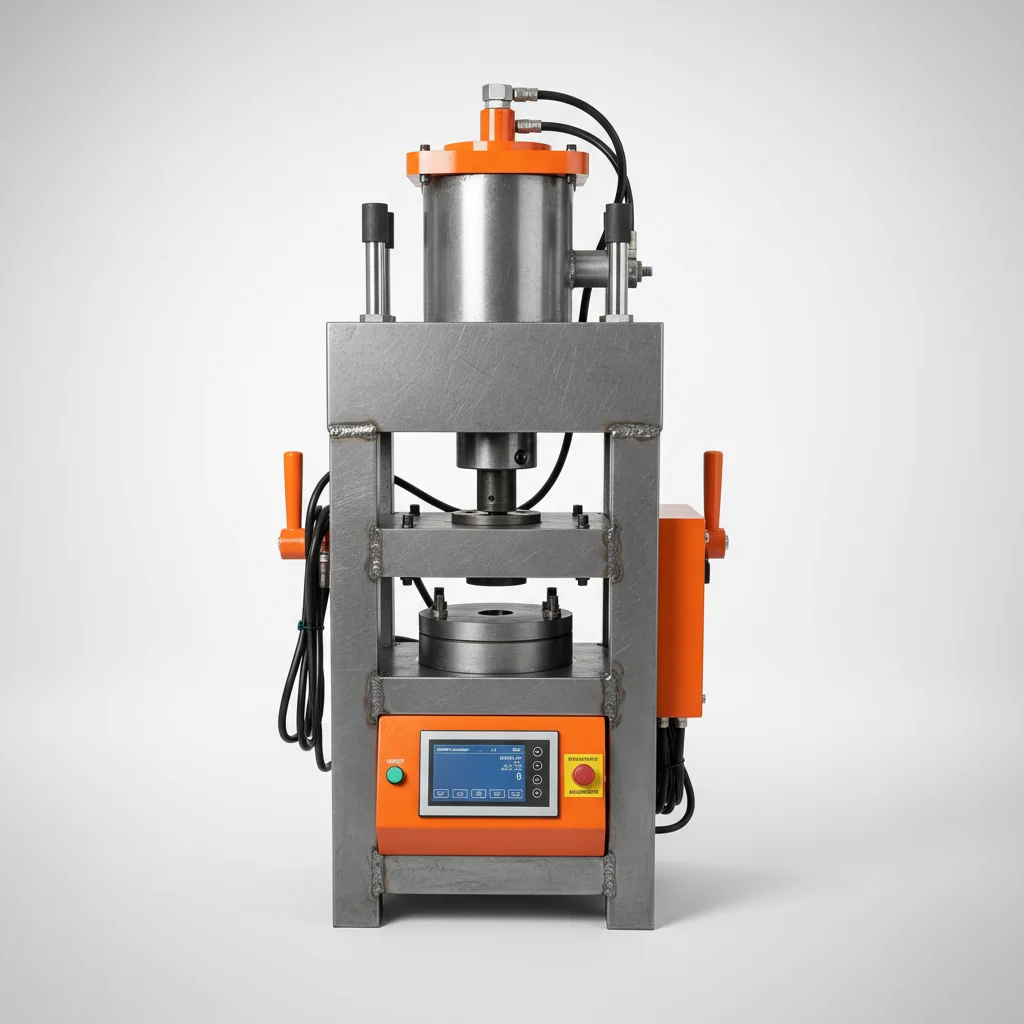
A typical Concrete Compression Machine comprises several key components. These include a sturdy testing frame, hydraulic loading system, compression platens (the surfaces that contact the concrete specimen), a load cell to measure the applied force, and a control unit for managing the testing process. The machine operates on the principle of applying a controlled compressive force, gradually increasing it until failure.
The load cell plays a critical role in providing accurate measurements. These sensors convert the applied force into an electrical signal, which is then displayed digitally. Modern machines often feature computer-controlled systems for precise load application rates and automated data acquisition. Proper calibration and maintenance of the Concrete Compression Machine are essential for ensuring accurate and reliable results.
The testing process involves carefully preparing concrete specimens (typically cylinders or cubes) to standardized dimensions. The specimen is then placed between the compression platens, and the load is applied at a specified rate. The machine continues to apply force until the specimen fails, and the maximum recorded load is used to calculate the compressive strength.
Factors Influencing Compression Strength
Numerous factors can impact the compressive strength of concrete. These include the water-cement ratio, the type of cement used, the aggregate properties (size, shape, and grading), and the presence of admixtures. Proper mixing, placement, and curing techniques are also essential for achieving optimal strength.
Environmental conditions during curing, such as temperature and humidity, play a significant role. Variations in these factors can lead to inconsistencies in strength. A reliable Concrete Compression Machine is critical for identifying these inconsistencies and ensuring that the concrete meets required specifications.
Concrete Compression Strength by Mix Variable
Global Applications & Industry Standards
Concrete Compression Machines are utilized globally in a wide range of construction projects, including high-rise buildings, bridges, dams, roads, and residential structures. They are essential tools for ensuring that concrete meets the stringent requirements of international standards such as ASTM (American Society for Testing and Materials) and EN (European Norms).
In developing nations, these machines are vital for supporting infrastructure development and improving the quality of construction. They are also employed in research and development to explore new concrete mixtures and optimize concrete performance. Quality control using these machines is pivotal in large-scale infrastructure projects worldwide.
Advantages of Precise Compression Testing
Precise compression testing offers numerous benefits, including enhanced safety, improved durability, reduced maintenance costs, and increased project longevity. Accurate data allows engineers to optimize concrete mixes, ensuring they meet specific performance requirements.
Reliable testing minimizes the risk of structural failures, protecting lives and assets. Investing in a high-quality Concrete Compression Machine is therefore a strategic investment that delivers significant long-term value.
Future Trends in Concrete Compression Technology
The future of concrete compression technology is focused on automation, digitalization, and sustainability. We are seeing the development of more sophisticated machines with advanced sensors, automated specimen handling, and real-time data analysis capabilities. Integration with Building Information Modeling (BIM) systems is also becoming increasingly common.
There's a growing trend toward non-destructive testing methods that complement traditional compression testing, allowing for in-situ assessment of concrete strength. The use of AI and machine learning to predict concrete strength based on historical data and material properties is also gaining traction. These innovations promise to further enhance the efficiency, accuracy, and reliability of concrete quality control.
Furthermore, the development of more environmentally friendly concrete mixes, coupled with advanced testing methods, is contributing to a more sustainable construction industry.
Overview of Concrete Compression Machine Performance Metrics
| Machine Type |
Capacity (kN) |
Accuracy (%) |
Automation Level |
| Hydraulic Compression Machine |
2000 |
±1 |
Manual |
| Electro-Mechanical Compression Machine |
1500 |
±0.5 |
Semi-Automatic |
| Digital Compression Machine |
3000 |
±0.25 |
Fully Automatic |
| Portable Compression Machine |
500 |
±2 |
Manual |
| High-Precision Compression Machine |
5000 |
±0.1 |
Fully Automatic |
| Servo-Hydraulic Compression Machine |
2500 |
±0.5 |
Semi-Automatic |
FAQS
A standard concrete compression machine typically ranges in capacity from 500 kN to 3000 kN (kilonewtons). The specific capacity required depends on the size of the concrete specimens being tested and the expected compressive strength. Smaller machines are suitable for testing smaller cylinders or cubes, while larger machines are needed for testing larger specimens or high-strength concrete.
A concrete compression machine should be calibrated at least once a year, or more frequently if it is used heavily or if there is any indication of inaccurate readings. Calibration ensures that the machine is providing accurate and reliable results, which is essential for maintaining quality control in concrete production and construction. Regular calibration is also a requirement for many industry standards.
Concrete compression machines can test a variety of concrete specimens, including cylindrical specimens (typically 6x12 inches or 4x8 inches) and cubic specimens (typically 4x4x4 inches). The choice of specimen shape depends on the specific testing standard being followed. Some machines can also accommodate irregular-shaped specimens with appropriate fixtures.
Operating a concrete compression machine requires strict adherence to safety precautions. Always wear appropriate personal protective equipment (PPE), including safety glasses and hearing protection. Ensure the machine is properly grounded and that all safety guards are in place. Never stand in the path of the loading ram during operation. Proper training is essential before operating any compression machine.
Hydraulic compression machines use hydraulic fluid to apply force, offering high capacity and robustness. Electro-mechanical machines use electric motors and precision screws, providing more precise control and data acquisition. Hydraulic machines are typically more affordable, while electro-mechanical machines offer superior accuracy and automation capabilities.
The loading rate is crucial in a concrete compression test as it can significantly affect the measured strength. Standards specify appropriate loading rates based on the type of concrete and specimen size. Too fast a rate can lead to artificially high results, while too slow a rate can lead to creep and inaccurate readings. A consistent and controlled loading rate is essential for obtaining reliable results.
Conclusion
In conclusion, the Concrete Compression Machine stands as a cornerstone of modern construction and infrastructure development. Its ability to accurately assess the compressive strength of concrete is vital for ensuring safety, durability, and longevity in structures of all sizes. From adhering to strict industry standards to facilitating innovation in concrete mix design, this technology plays a critical role in building a more reliable and sustainable future.
Looking ahead, the evolution of concrete compression technology will likely focus on increased automation, digitalization, and integration with emerging technologies like AI and BIM. Investing in these advancements and prioritizing regular machine calibration and operator training will be essential for maximizing the benefits of this indispensable tool. Visit our website at www.czlabinstrument.com to explore our range of high-quality concrete compression machines and learn how we can help you meet your testing needs.