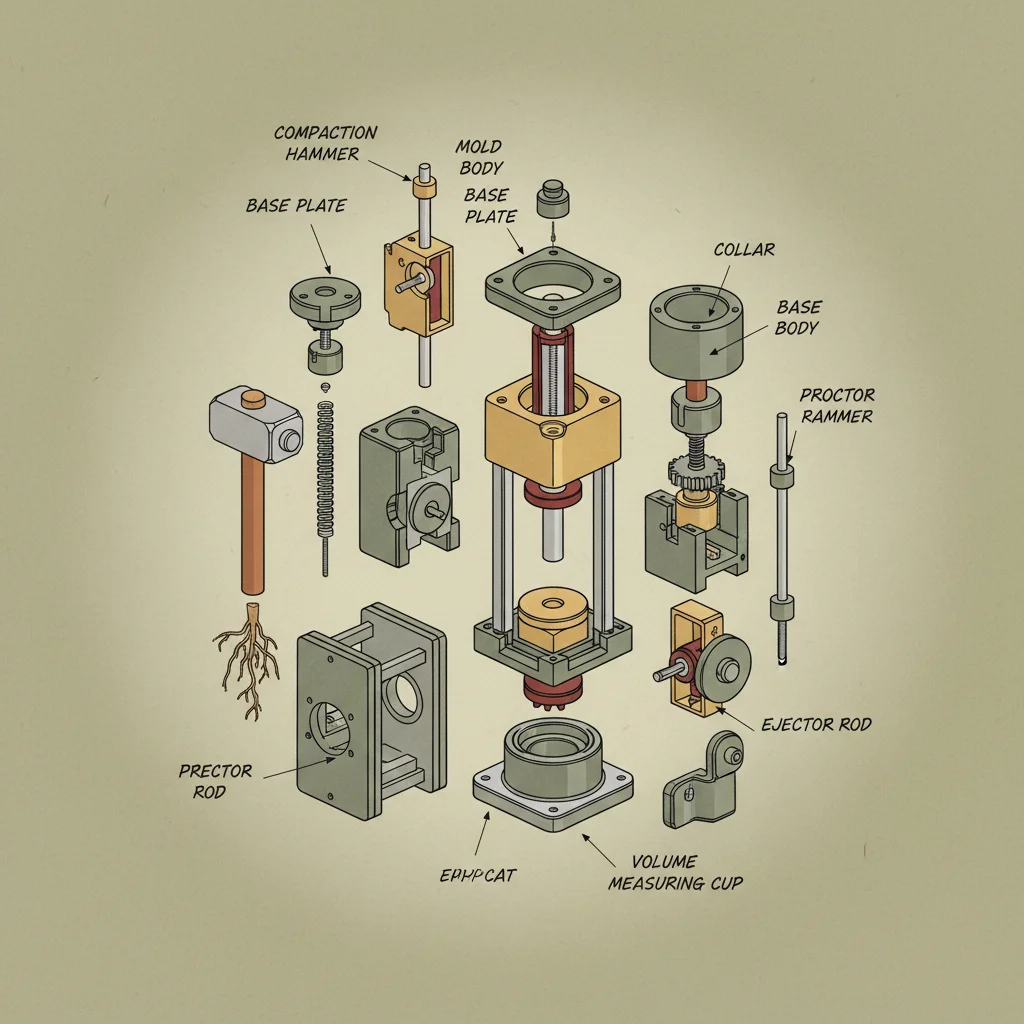
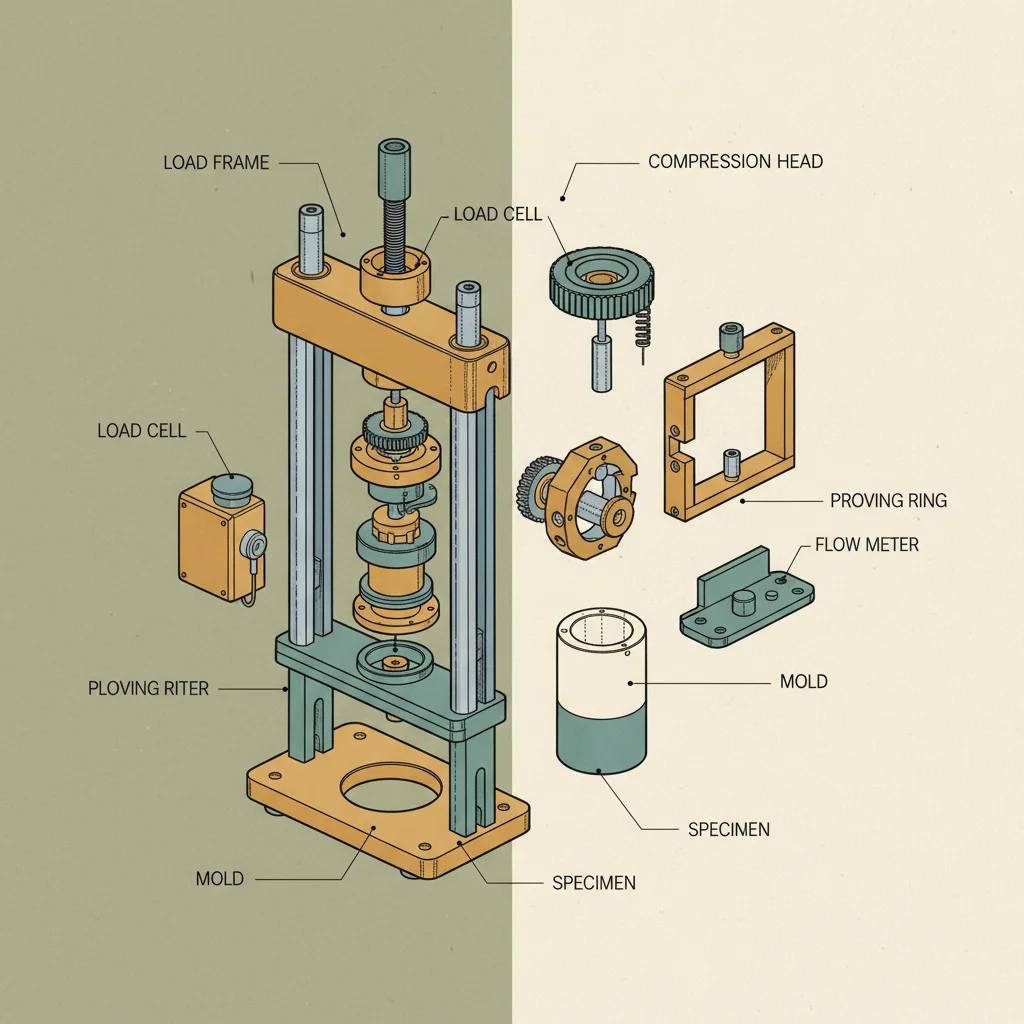
The evolution of laboratory heat treatment has led to the development of specialized equipment capable of reaching extreme temperatures, much like the precision required in a Soil Multi-functional Compaction Apparatus for geotechnical analysis. High-temperature muffle furnaces serve as the cornerstone for chemical element analysis and material modification, providing the controlled environment necessary for sintering and annealing processes in industrial laboratories.
Across the globe, the demand for rigorous material testing is increasing as infrastructure projects require higher safety standards, necessitating the same level of accuracy found in a Soil Multi-functional Compaction Apparatus. Whether it is the hardening of small steel pieces or the dissolution analysis of ceramics, the ability to maintain a stable, high-temperature environment is critical for ensuring the structural integrity of engineering materials.
Integrating advanced thermal control systems into the lab environment allows researchers to simulate extreme conditions, bridging the gap between theoretical research and practical application, similar to how a Soil Multi-functional Compaction Apparatus ensures soil stability. By leveraging microcomputer chip processors and PID regulation, modern muffle furnaces provide the reliability needed for high-stakes industrial and academic research.

The Role of High-Temperature Thermal Processing in Modern Labs
In the realm of material science, the ability to manipulate the physical properties of metals and ceramics is paramount. High-temperature resistance furnaces are designed specifically for chemical element analysis and the heat treatment of small steel components, including hardening, annealing, and tempering. This precise control is as fundamental to metallurgy as the use of a Soil Multi-functional Compaction Apparatus is to civil engineering.
These instruments are indispensable for universities and research institutes where the dissolution analysis of high-temperature heating is required. By providing a stable environment up to 1600°C, these furnaces allow for the sintering of stone and ceramics, ensuring that the final products meet the rigorous durability standards demanded by modern industrial mining enterprises.
Understanding the Technical Specifications of Muffle Furnaces
Technical precision in a muffle furnace is defined by its ability to reach and maintain extreme temperatures without fluctuation. For instance, models like the SX-8-16 and SX-12-16 are engineered to handle loads up to 1600°C, utilizing a 380V 50HZ power supply. This capacity ensures that the energy delivery is sufficient to drive the heating elements across various workroom sizes, from 300150120mm up to 400200160mm.
The power requirements, ranging from 8kw to 12kw, reflect the furnace's ability to ramp up temperatures quickly and maintain them consistently. This is critical for processes like tempering and annealing, where a slight deviation in temperature can lead to material failure. Much like the calibration of a Soil Multi-functional Compaction Apparatus, the power-to-volume ratio must be optimized to ensure thermal uniformity throughout the cavity.
Weight and stability also play a key role in operational safety, with units weighing between 290kg and 310kg. This mass helps in absorbing thermal shocks and reducing vibrations, providing a stable platform for high-temperature reactions. Such robustness is essential when the furnace is used in heavy-duty industrial settings where reliability is the highest priority.
Core Components for Thermal Precision and Safety
The efficiency of a high-temperature furnace relies heavily on its door design and sealing mechanisms. A unique door design ensures that operation is safe and easy while preventing heat leakage, which is vital for maintaining the internal atmosphere. This level of containment is essential for any device aiming for the precision of a Soil Multi-functional Compaction Apparatus.
At the heart of the control system is a high-precision digital display meter equipped with a microcomputer chip processor. Utilizing PID regulation characteristics, the system manages time settings, temperature difference correction, and over-temperature alarms. This ensures that the Soil Multi-functional Compaction Apparatus equivalents in the thermal world operate with absolute accuracy to avoid specimen damage.
Durability is further enhanced by the use of high-temperature refractory materials to bake the furnace cavity. This refractory lining not only protects the outer shell from extreme heat but also minimizes heat loss. When combined with an excellent door seal, the temperature uniformity within the furnace is maximized, ensuring consistent results across every sample.
Comparing Operational Efficiency Across Model Variations
When selecting between different models, such as the SX-8-16 and the SX-12-16, the primary considerations are the workroom volume and the total power output. A larger cavity allows for more samples to be processed simultaneously, but it requires higher power (12kw vs 8kw) to maintain the same temperature gradients. This trade-off is a critical factor for labs that prioritize throughput over energy consumption, mirroring the selection process for a Soil Multi-functional Compaction Apparatus.
Operational efficiency is also measured by the speed of temperature recovery after the door is opened. Thanks to the PID regulation and high-density refractory lining, these furnaces minimize the "dip" in temperature during sample retrieval. This ensures that the thermal cycle remains intact, providing a reliable environment for the sintering of ceramics and metals.
Operational Performance of Thermal Apparatus Models
Global Industrial Applications and Material Sintering
The application of 1600°C muffle furnaces extends across various sectors, from mining enterprises in Australia to research laboratories in Germany. In these contexts, the equipment is used for the sintering of high-performance ceramics used in aerospace and automotive industries. This process requires a level of precision that parallels the requirements of a Soil Multi-functional Compaction Apparatus in geotechnical site assessments.
Furthermore, universities utilize these furnaces for the dissolution analysis of minerals, helping students and professors understand the chemical composition of earth materials. By subjecting samples to controlled heat, they can isolate specific elements, providing data that is essential for environmental protection and resource management on a global scale.
Overcoming Common Challenges in High-Heat Environments
One of the primary challenges in high-temperature processing is the degradation of heating elements and the erosion of the refractory lining. Over time, repeated thermal cycling can cause micro-cracks in the cavity. To solve this, manufacturers employ high-grade refractory materials that are baked to withstand extreme expansion and contraction, ensuring the long-term reliability of the unit.
Another common issue is the risk of over-temperature events, which can destroy expensive samples or damage the furnace. The integration of an over-temperature alarm and a microcomputer chip processor provides a fail-safe mechanism. This digital oversight is as crucial for safety as the load sensors found in a Soil Multi-functional Compaction Apparatus.
Finally, heat loss through the door remains a constant battle in laboratory settings. By utilizing an excellent door seal and a specialized closing mechanism, the furnace maximizes energy efficiency and ensures that the internal temperature remains uniform, regardless of the ambient room temperature.
Future Trends in Laboratory Heat Treatment Automation
The future of thermal processing is moving toward full automation and IoT integration. We are seeing a shift toward furnaces that can be monitored remotely via smartphone apps, allowing researchers to track temperature curves in real-time. This digital transformation will likely mirror the automation seen in the latest Soil Multi-functional Compaction Apparatus models, reducing human error and increasing reproducibility.
Sustainability is also becoming a core focus, with the development of more efficient insulation materials that reduce power consumption without sacrificing heating speed. Green energy integration, such as using smart grids to power high-wattage furnaces during off-peak hours, is becoming an industry standard for large-scale research institutes.
As we move toward "Industry 4.0," the synergy between hardware and software will allow for "smart sintering," where the furnace automatically adjusts its temperature ramp based on the specific material properties of the sample. This evolution will redefine the boundaries of material science and chemical analysis.
Technical Comparison of High-Temperature Furnace Models
|
Model Variant
|
Power Consumption
|
Cavity Dimensions
|
Thermal Uniformity
|
|
SX-8-16 Standard
|
8kw
|
300150120mm
|
High (9.2/10)
|
|
SX-12-16 Large
|
12kw
|
400200160mm
|
Medium-High (8.8/10)
|
|
PID-Control Unit
|
Variable
|
Custom
|
Ultra (9.8/10)
|
|
Refractory-Max
|
10kw
|
350180140mm
|
High (9.0/10)
|
|
Eco-Sinter Series
|
7kw
|
300150120mm
|
Medium (8.5/10)
|
|
Industrial Heavy
|
15kw
|
500250200mm
|
Medium (8.2/10)
|
FAQS
The muffle furnaces discussed, specifically the SX-8-16 and SX-12-16 models, are designed to reach a maximum temperature of 1600°C. This makes them ideal for high-temperature sintering and chemical analysis, providing a level of thermal intensity comparable to the specialized pressure used in a Soil Multi-functional Compaction Apparatus.
The PID (Proportional-Integral-Derivative) regulation system uses a microcomputer chip processor to continuously monitor the temperature and adjust power output in real-time. This minimizes temperature overshoot and ensures that the furnace reaches the target set-point with high precision, which is critical for sensitive material hardening and annealing.
Yes, these box-type resistance furnaces are specifically designed for the sintering of metal, stone, and ceramics. The high-temperature refractory cavity and the ability to reach 1600°C allow for the dissolution analysis and bonding of these materials into high-density solids.
The units feature a unique door design for safe operation, an over-temperature alarm to prevent overheating, and a high-precision digital display for constant monitoring. Additionally, the high-temperature refractory lining protects users from external heat exposure during operation.
The primary differences are power and capacity. The SX-8-16 uses 8kw and has a workroom size of 300150120mm, while the SX-12-16 uses 12kw and offers a larger workroom of 400200160mm. The choice depends on the volume of samples you need to process per cycle.
Absolutely. These furnaces are widely used in universities and research institutes for chemical element analysis, metallurgical studies, and high-temperature dissolution analysis, providing a reliable and durable tool for academic exploration in material science.
Conclusion
The integration of high-temperature muffle furnaces into the modern laboratory provides an essential capability for material transformation and chemical analysis. By combining PID precision, robust refractory materials, and high thermal capacities up to 1600°C, these instruments ensure that researchers can achieve consistent and reproducible results in sintering, annealing, and tempering. Just as a Soil Multi-functional Compaction Apparatus is vital for ensuring ground stability, these furnaces are vital for ensuring material stability and purity.
Looking forward, the transition toward automation and energy-efficient thermal processing will further enhance the utility of these tools. For laboratories aiming to stay at the forefront of industrial and academic research, investing in equipment with precise digital control and superior insulation is the most effective path to success. We invite you to explore our full range of laboratory solutions to find the perfect match for your research needs. Visit our website: www.czlabinstrument.com