
Hot Air Sterilizing Drying Oven: A Comprehensive Guide
In a wide range of industries, from pharmaceutical and food processing to chemical and material science, maintaining sterility and ensuring complete dryness of materials is paramount. The Hot Air Sterilizing Drying Oven offers a precise and reliable solution for these critical processes. This article will explore the functionalities, benefits, applications, and key features of these ovens, providing a detailed overview for professionals seeking optimal sterilization and drying results. Choosing the right equipment can greatly improve product quality and safety.
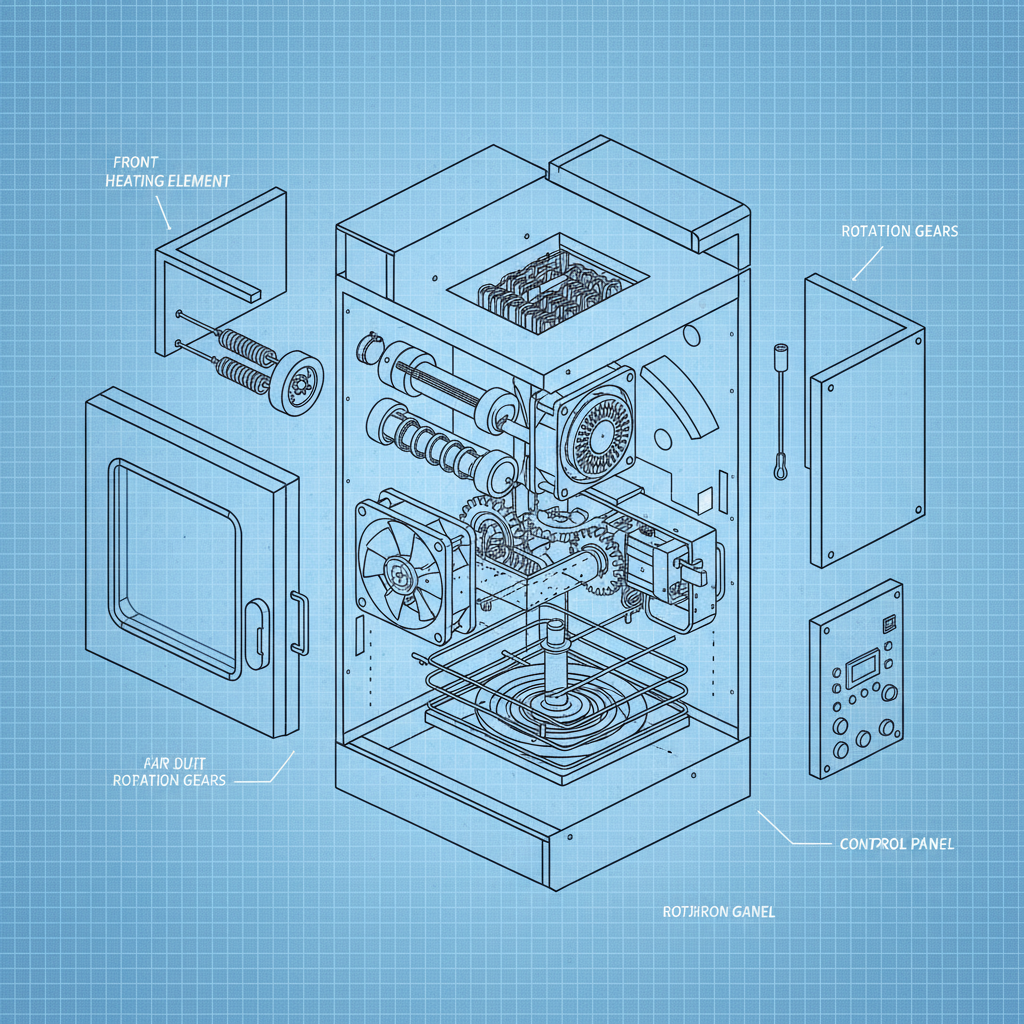
Understanding Hot Air Sterilizing Drying Ovens
A hot air sterilizing drying oven utilizes dry heat to eliminate microorganisms and remove moisture from materials. This process, known as dry heat sterilization, is particularly effective for materials that cannot withstand the high pressures of autoclaving or are sensitive to moisture. The oven circulates heated air at a controlled temperature, ensuring uniform distribution and consistent results. These ovens are widely utilized in laboratories, production facilities, and research institutions. The precise temperature control and robust construction are key factors in their effectiveness.
Key Highlights: Dry heat sterilization is ideal for materials sensitive to moisture or pressure. Controlled temperature ensures consistent sterilization and drying results.
Applications of Hot Air Sterilizing Drying Ovens
The applications of these ovens are diverse and span numerous industries. In pharmaceutical manufacturing, they’re used to sterilize glassware, metal instruments, and dry pharmaceutical powders. Food processing relies on these ovens for drying spices, herbs, and ensuring the sterility of packaging materials. Chemical laboratories use them to dry reagents, remove solvents, and sterilize equipment. Material science benefits from their ability to dry and prepare samples for analysis. Finally, research institutions utilize them for a broad range of sterilization and drying needs. The versatility of the hot air oven makes it an indispensable tool.
Application Benefits:
• Sterilization of glassware and metal instruments
• Drying of powders, reagents, and solvents
• Maintaining sterility in food packaging materials
• Preparation of samples for materials analysis
Hot Air Sterilizing Drying Oven vs. Autoclave: A Comparison
Choosing between a hot air oven and an autoclave depends on the application and materials being processed. Autoclaves utilize steam under pressure for sterilization, which is highly effective for heat-resistant items. However, steam can damage moisture-sensitive materials. Hot air ovens, conversely, utilize dry heat, making them ideal for items that can’t withstand moisture or pressure. Autoclaves are generally faster, but hot air ovens offer greater versatility for a wider range of materials. The CZLab Hot Air Sterilizing Drying Oven provides a reliable alternative when autoclaving isn’t suitable.
Key Features of CZLab Hot Air Sterilizing Drying Ovens
CZLab offers a range of hot air sterilizing drying ovens designed to meet various laboratory and industrial needs. These ovens boast features such as precise temperature control, digital displays, forced air circulation for uniform heating, and durable stainless steel interiors. Safety features like over-temperature protection and door interlocks are standard. Furthermore, options for programmable controllers and data logging are available for enhanced process control and documentation.
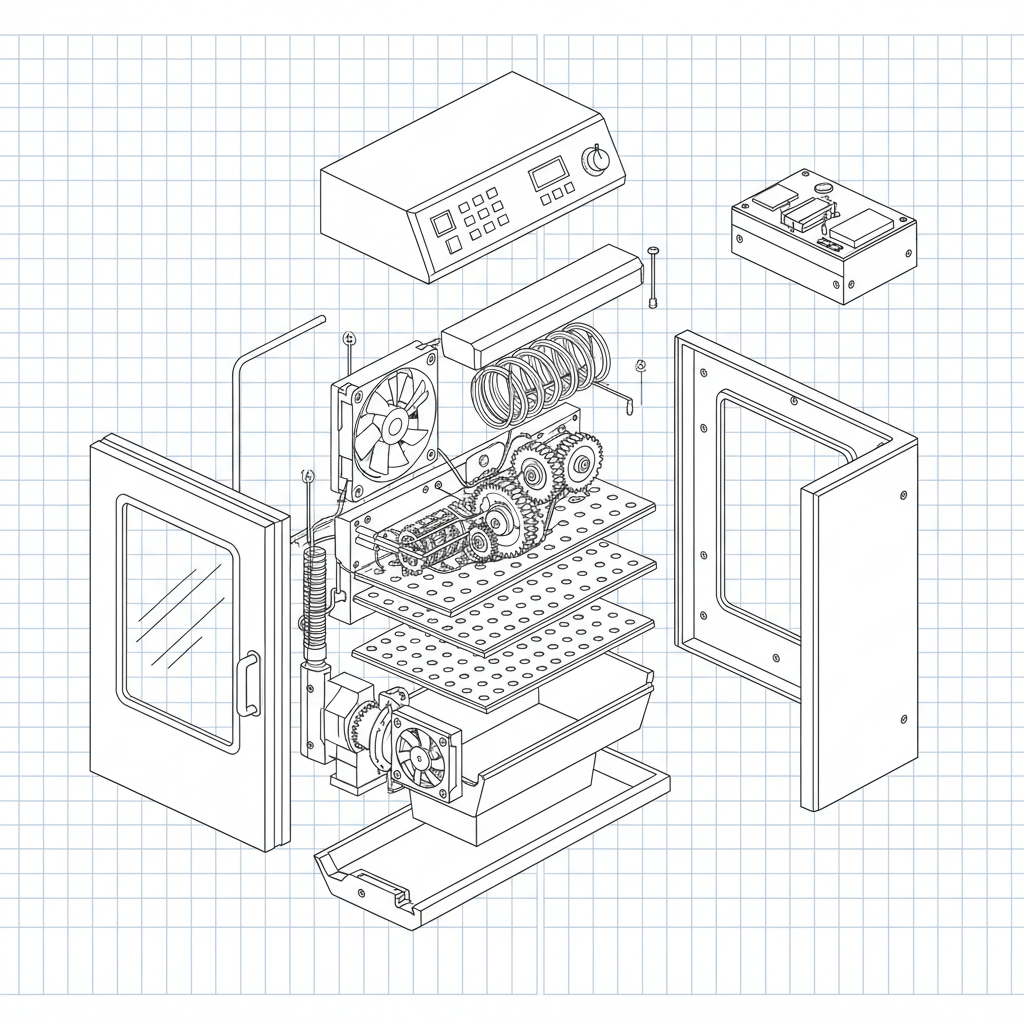
Product Specifications
Here's a table showcasing the specifications of a typical CZLab Hot Air Sterilizing Drying Oven:
Conclusion: Reliable Sterilization and Drying Solutions
The CZLab Hot Air Sterilizing Drying Oven offers a robust and reliable solution for a wide range of sterilization and drying applications. With precise temperature control, durable construction, and safety features, these ovens are ideal for laboratories, manufacturing facilities, and research institutions. Investing in a high-quality oven ensures consistent results, protects valuable materials, and contributes to overall process efficiency. Explore the CZLab instrument catalog today to find the perfect oven for your needs.
Frequently Asked Questions (FAQs)
What temperature should I use for sterilizing glassware?
Generally, a temperature of 160-180°C (320-356°F) for at least 2 hours is recommended for effective sterilization of glassware using dry heat. However, it’s crucial to consider the specific requirements of the materials being sterilized. For heavily contaminated items, a longer duration or slightly higher temperature might be necessary. Always refer to established sterilization protocols and guidelines for your specific application. The CZLab ovens provide precise temperature control to ensure consistent and reliable sterilization.
How often should I calibrate my hot air oven?
Calibration frequency depends on usage and the criticality of temperature accuracy. As a general guideline, annual calibration is recommended. However, if the oven is used frequently or for critical applications, more frequent calibration (e.g., semi-annually) may be necessary. CZLab offers calibration services to ensure your oven maintains optimal performance and accuracy. Regular calibration guarantees reliable sterilization and drying results.
What materials can I safely sterilize in a hot air oven?
Hot air ovens are suitable for sterilizing materials that are dry-heat stable, including glassware, metal instruments, powders, oils, and certain heat-resistant plastics. Avoid sterilizing materials that are flammable, volatile, or sensitive to high temperatures. Always check the material's compatibility with dry heat sterilization before processing. The CZLab ovens are designed to handle a wide range of materials safely and effectively.
Related Posts
-
Optimizing Road Construction with the Asphalt Marshall Compactor
-
Comprehensive Guide to Manual Soil Compaction Equipment and Applications
-
Advanced Soil CBR Test Equipment for Reliable Infrastructure Assessment
-

Understanding the Marshall Compactor for Test Specimen and its Role in Pavement Engineering