
The Bitumen Marshall Compactor is a crucial piece of equipment in the realm of road construction and material testing, globally impacting infrastructure development. Its significance stems from the need for standardized, reliable methods to assess the strength and stability of asphalt mixtures. From the highways connecting major cities to the rural roads enabling access to remote communities, the performance of these asphalt surfaces relies heavily on the accurate compaction testing provided by the Bitumen Marshall Compactor. Proper compaction is paramount to preventing premature road failure, reducing maintenance costs, and ensuring the safety of millions of drivers.
Globally, road infrastructure faces increasing strain from heavier traffic loads, extreme weather events, and the demand for sustainable materials. This drives the need for advanced testing methodologies and sophisticated equipment like the Bitumen Marshall Compactor. According to the World Bank, investments in road infrastructure are critical for economic growth, particularly in developing nations. Standardization, often driven by ISO standards, plays a vital role, and the Bitumen Marshall Compactor facilitates adherence to these critical benchmarks.
Understanding the principles and applications of the Bitumen Marshall Compactor is therefore not merely a technical exercise, but a fundamental element of responsible infrastructure development and economic prosperity. It directly influences public safety, sustainability, and the overall quality of life for communities worldwide.
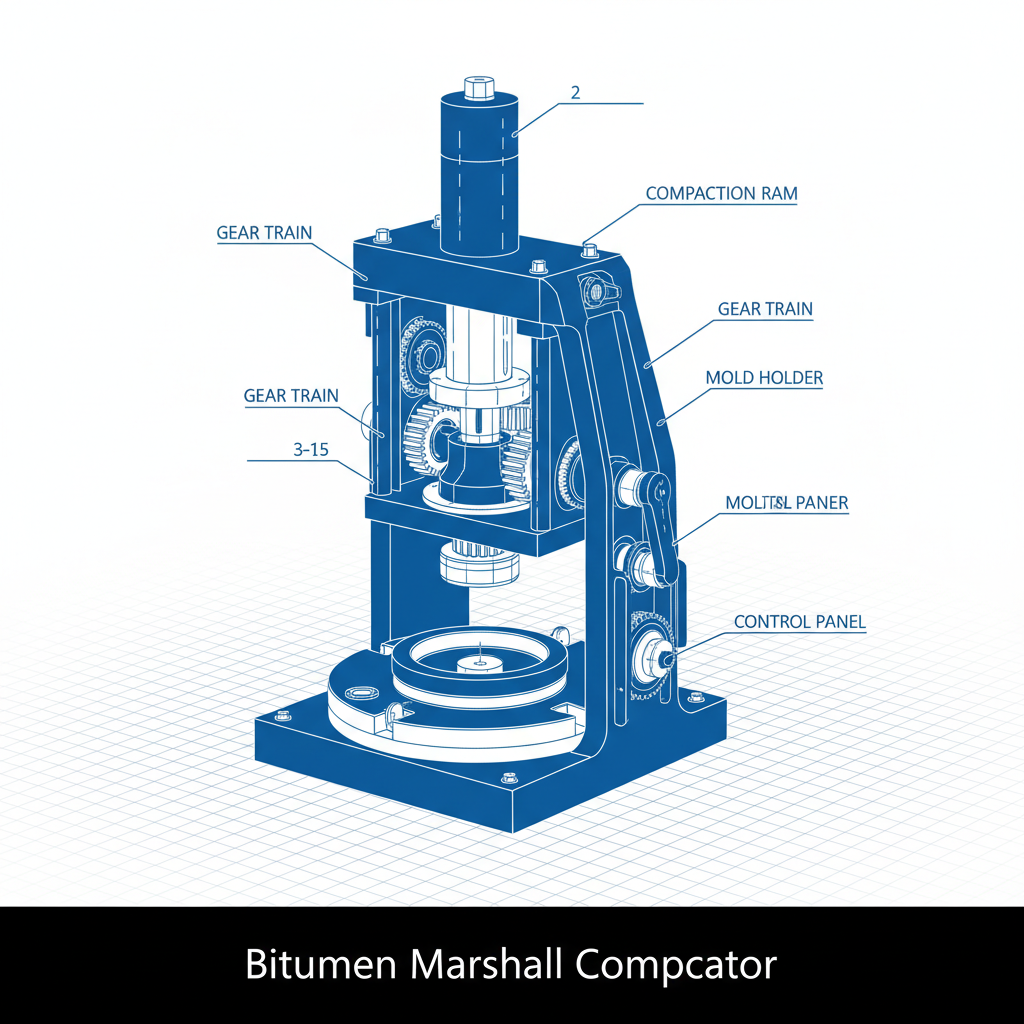
The Core Principles of Bitumen Marshall Compaction
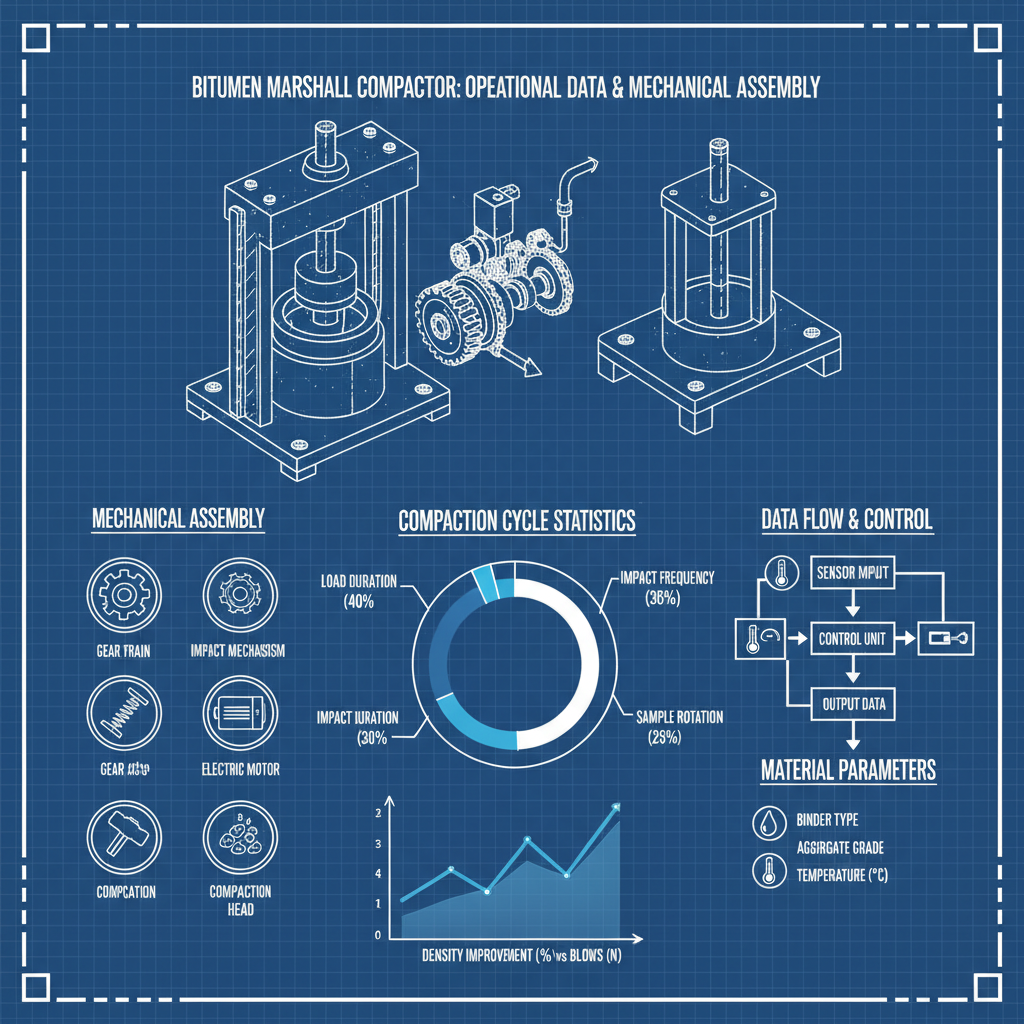
The fundamental principle behind the Bitumen Marshall Compaction method is to simulate the compaction achieved by road rollers during actual road construction. This standardized process ensures that laboratory-produced asphalt mixtures accurately reflect the density and stability of asphalt placed in the field. The Bitumen Marshall Compactor utilizes a specific weight and drop height to apply a controlled amount of energy, resulting in a sample with a defined density and air void content.
This standardized approach allows engineers to predict the performance of asphalt pavements under traffic and environmental stresses. By analyzing the compacted samples, professionals can determine optimal asphalt mixture designs, maximizing durability and minimizing the risk of premature failure.
FAQS
While both methods aim to evaluate asphalt mix performance, Superpave utilizes a more complex mix design approach and considers a wider range of performance tests, including rutting, fatigue cracking, and low-temperature cracking. Marshall compaction focuses primarily on density and stability, providing a simpler, more cost-effective assessment. Both methods complement each other in modern asphalt pavement design.
To ensure accuracy and reliability, a Bitumen Marshall Compactor should be calibrated at least annually, or more frequently if it’s used extensively. Calibration involves verifying the accuracy of the hammer weight, drop height, and tamper foot. Regular calibration ensures that test results are consistent and meet established standards.
The ideal air void content typically falls within the range of 3% to 7%. Lower air void content increases density and resistance to rutting, while higher air void content improves resistance to thermal cracking. The optimal air void content depends on the specific asphalt mixture design, traffic loads, and climatic conditions.
Marshall Compaction is widely applicable to a variety of asphalt mixtures, including dense-graded, open-graded, and stone matrix asphalt (SMA). However, modifications to the testing procedure may be required for specific mixture types. It is most effective for mixtures that fall within the typical density and stability ranges specified in relevant standards.
Yes, the Bitumen Marshall Compactor can be used to test RAP mixtures. However, careful consideration should be given to the RAP content and its impact on the mixture's properties. Adjustments to the mix design and compaction procedure may be necessary to achieve optimal results with RAP materials.
Always wear appropriate personal protective equipment (PPE), including safety glasses, gloves, and closed-toe shoes. Ensure the compactor is placed on a stable surface before operation. Keep hands and other body parts clear of the hammer during the compaction process. Follow the manufacturer's safety guidelines carefully.
Conclusion
The Bitumen Marshall Compactor remains an indispensable tool in the field of asphalt pavement construction and testing. Its enduring relevance stems from its ability to provide standardized, reliable data essential for ensuring pavement quality, safety, and durability. From initial mix design to routine quality control, this equipment plays a critical role in building and maintaining robust road infrastructure worldwide.
Looking ahead, advancements in automation, data analytics, and sustainable materials will further enhance the capabilities of the Bitumen Marshall Compactor and its integration into smarter infrastructure systems. For those seeking reliable and precise asphalt testing solutions, visit our website at www.czlabinstrument.com to explore our range of cutting-edge equipment and expert support.
Related Posts