0%

Table of Contents

The field of material testing is critical for ensuring the safety, reliability, and longevity of infrastructure worldwide. A key component of this is the assessment of concrete's compressive strength, and the Concrete Pressure Test Machine is the cornerstone of this evaluation. Accurate determination of compressive strength is vital in construction, civil engineering, and quality control, impacting everything from residential buildings to large-scale public works.

Globally, the demand for durable and resilient infrastructure continues to grow, driven by population increases and urbanization. This surge necessitates rigorous quality assurance measures, and the Concrete Pressure Test Machine plays an indispensable role. Standards set by organizations like ASTM International, ISO, and national building codes heavily rely on accurate compressive strength testing.

Investing in a reliable Concrete Pressure Test Machine isn't just about meeting regulatory requirements; it's about safeguarding lives, protecting investments, and promoting sustainable development. Its accuracy and efficiency directly contribute to the overall quality and safety of construction projects, which in turn drives economic growth and societal well-being.
Concrete Pressure Test Machine

Introduction to Concrete Pressure Test Machine
Concrete Pressure Test Machine

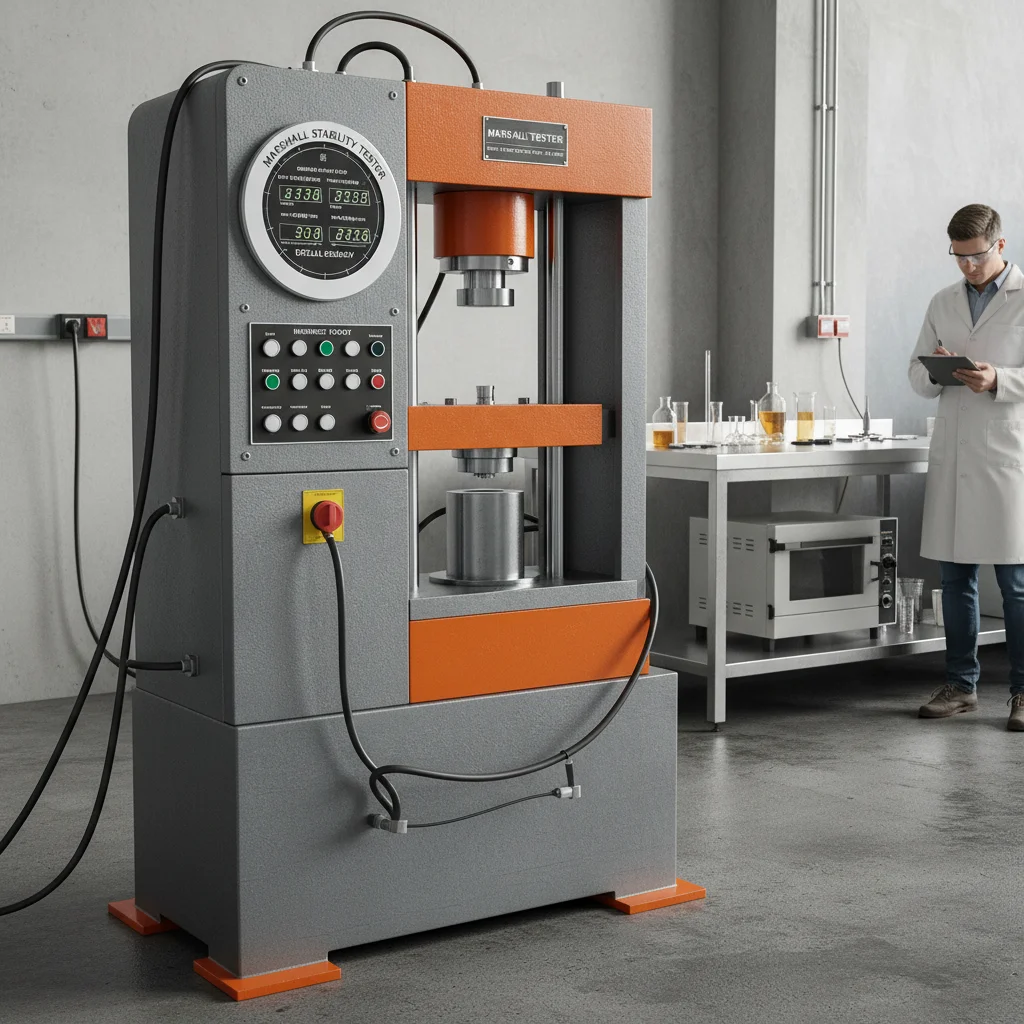
The Concrete Pressure Test Machine is an essential piece of equipment used to determine the compressive strength of concrete specimens. This strength is a primary indicator of the concrete’s ability to withstand loads, a crucial factor in ensuring structural integrity. Different types of machines exist, ranging from manual lever-operated models to fully automated hydraulic systems.

These machines are not limited to laboratory settings. Portable and field-tested models allow for on-site assessment of concrete quality, streamlining construction processes and minimizing delays. Properly calibrated and operated, the Concrete Pressure Test Machine provides precise and reliable data that informs crucial engineering decisions.

Defining Concrete Pressure Testing

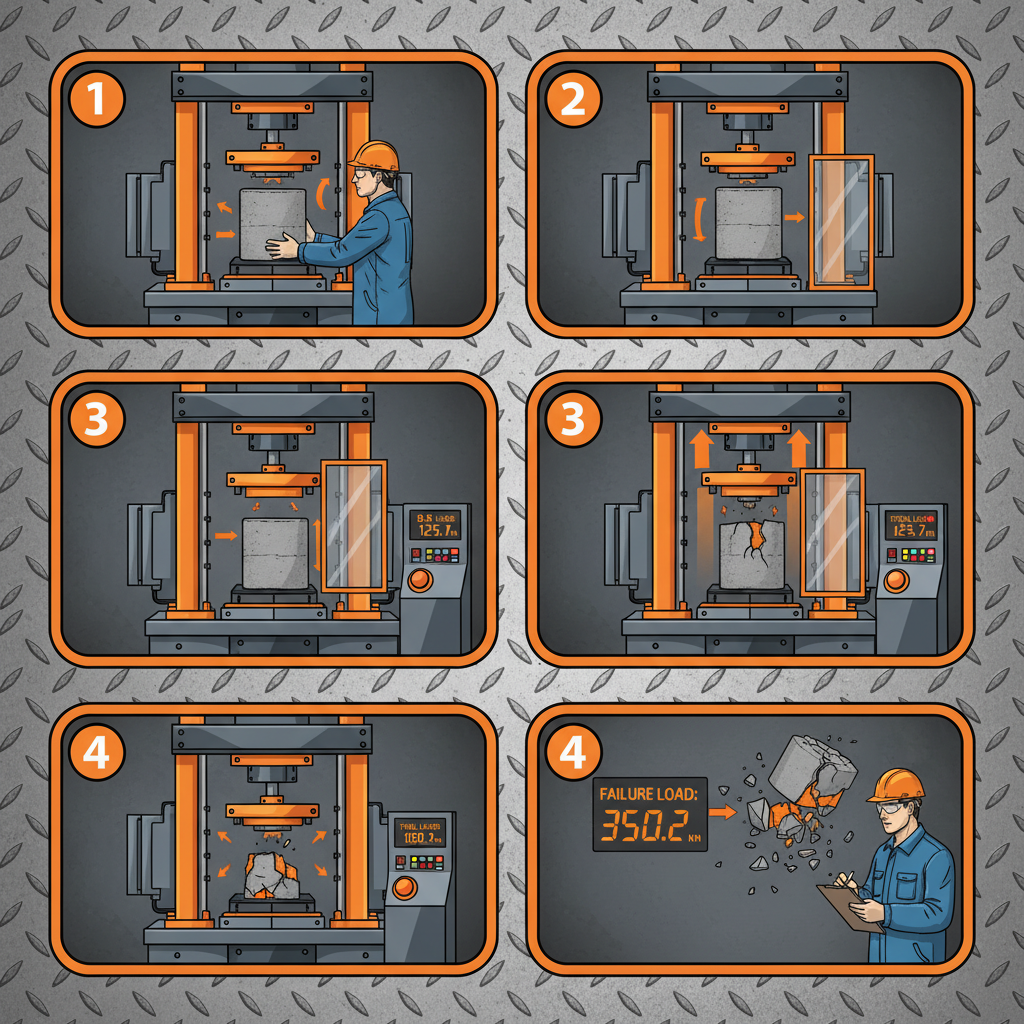
Concrete pressure testing, also known as compressive strength testing, is a standardized procedure designed to measure the maximum compressive stress that a concrete specimen can withstand before failing. The test involves subjecting a cylindrical or cubic concrete sample to a gradually increasing compressive load until it fractures. This load, measured in megapascals (MPa) or pounds per square inch (psi), represents the concrete’s compressive strength.

The results of this test are critical for verifying that the concrete mix design meets specified requirements and that the concrete has been properly cured. It directly impacts safety factors used in structural engineering calculations, ensuring that buildings, bridges, and other concrete structures can safely bear the intended loads.

Accurate concrete pressure testing, facilitated by a reliable Concrete Pressure Test Machine, is vital for minimizing construction defects and ensuring the long-term durability of concrete structures, ultimately protecting public safety and infrastructure investment.

Core Components of a Concrete Pressure Test Machine

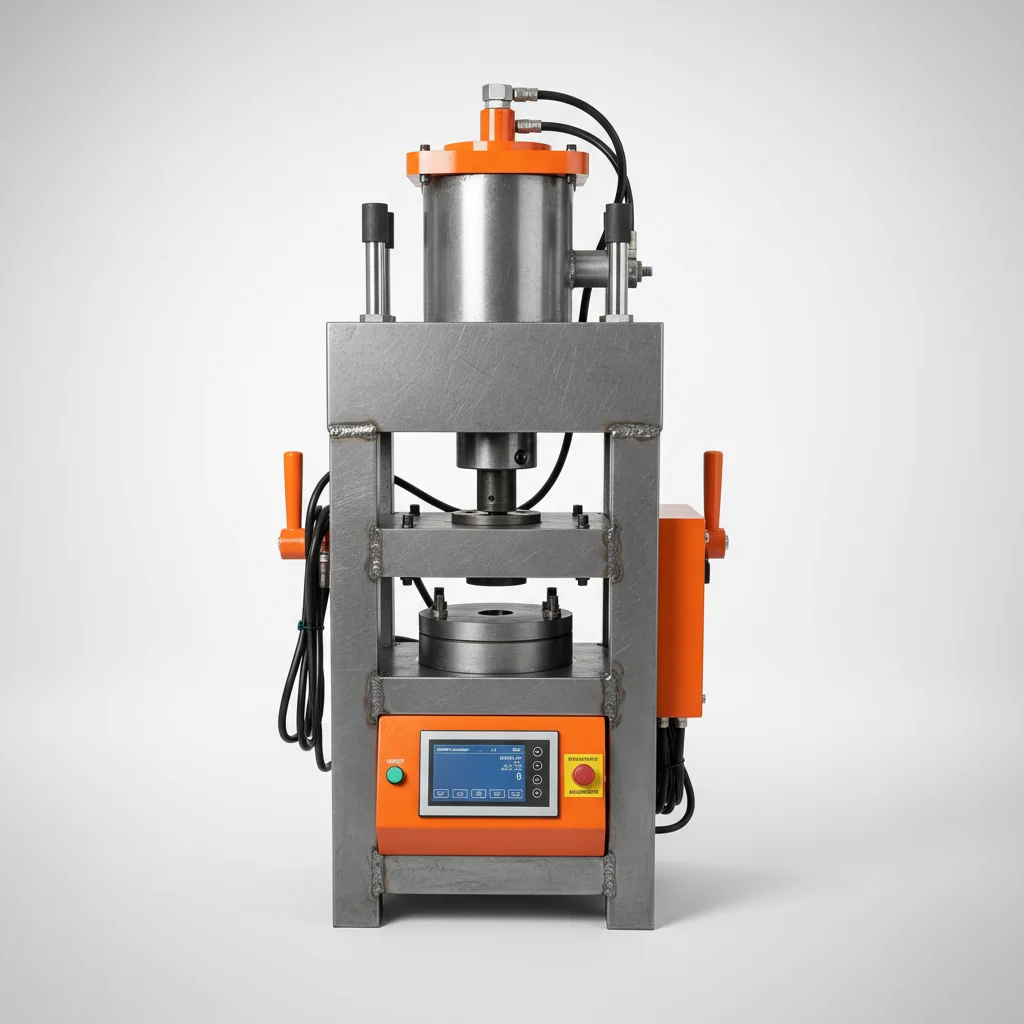
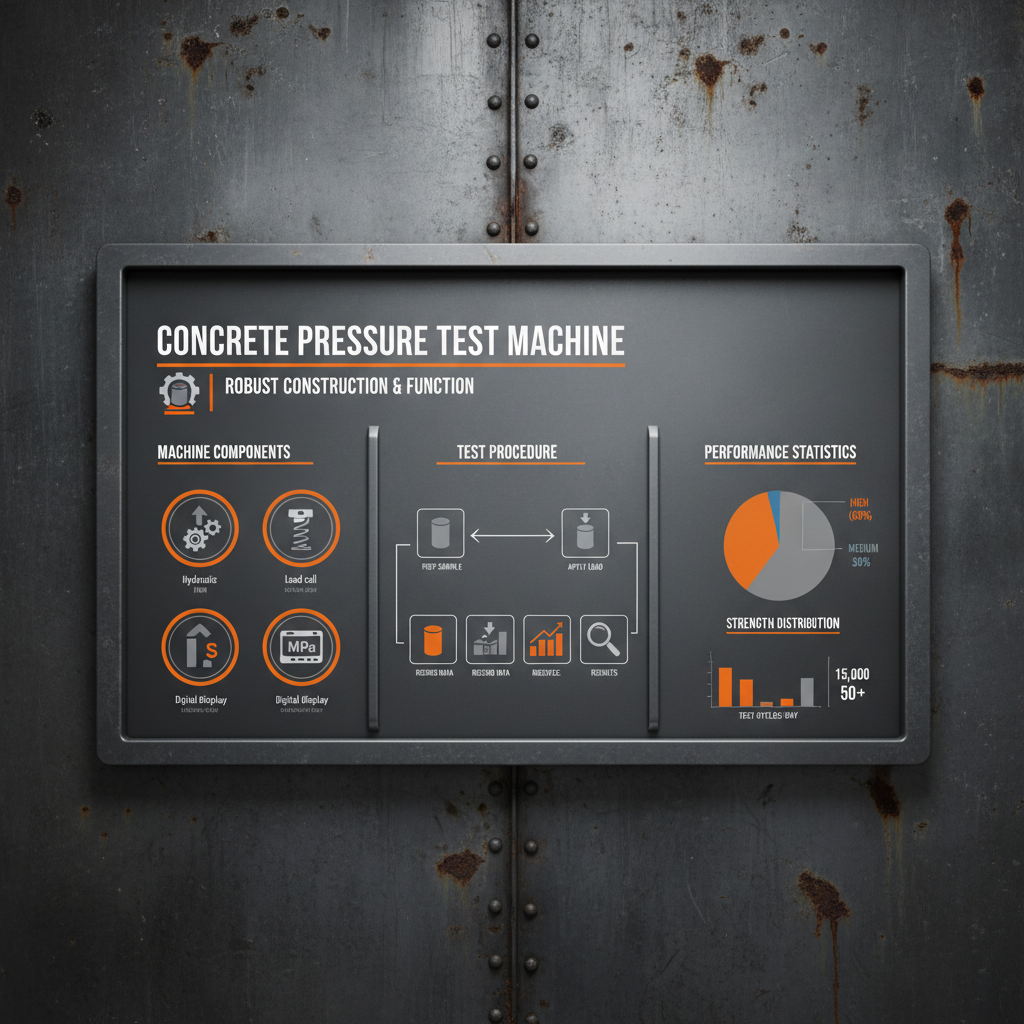
A typical Concrete Pressure Test Machine comprises several key components working in concert to deliver accurate results. These include the loading frame, which provides the structural support to withstand the immense forces applied during testing. The hydraulic system, either manual or automated, generates and controls the compressive load.

The load cell, a sensitive transducer, accurately measures the applied force and transmits this data to the control system for display and recording. Platens, the surfaces in direct contact with the concrete specimen, must be precisely machined and aligned to ensure uniform load distribution. Finally, the control system manages the loading rate and data acquisition.

The quality and precision of each component directly impact the accuracy and reliability of the test results. Regularly calibrating the load cell and ensuring proper maintenance of the hydraulic system are crucial for maintaining the integrity of the Concrete Pressure Test Machine and the validity of its readings.

Applications Across Industries

The applications of Concrete Pressure Test Machines extend far beyond traditional building construction. In civil engineering, they are essential for assessing the strength of concrete used in bridges, dams, and tunnels. Geotechnical engineering utilizes these machines to evaluate the compressive strength of soil-cement mixtures.

Precast concrete manufacturers rely heavily on these machines for quality control, ensuring that pre-fabricated elements meet stringent specifications. Government agencies and research institutions employ them for material research and development, advancing concrete technology and exploring new applications.

Concrete Pressure Test Machine Application Distribution

Advantages and Long-Term Value

Investing in a high-quality Concrete Pressure Test Machine yields significant long-term benefits. Reduced risk of structural failures translates to enhanced safety and decreased liability. Accurate compressive strength data minimizes material waste and ensures optimal resource utilization.

By adhering to industry standards and providing reliable testing results, these machines contribute to building trust with clients and stakeholders. This, in turn, fosters a reputation for quality and reliability, enhancing brand value and opening up new business opportunities.

Future Trends in Concrete Testing

The future of concrete testing is being shaped by advancements in technology and a growing focus on sustainability. Automated Concrete Pressure Test Machines with integrated data logging and analysis capabilities are becoming increasingly prevalent, improving efficiency and reducing human error.

Non-destructive testing (NDT) methods, such as ultrasonic pulse velocity and rebound hammer testing, are gaining traction as complementary techniques, allowing for in-situ assessment of concrete strength without damaging the structure. The integration of artificial intelligence (AI) and machine learning (ML) algorithms promises to enable predictive maintenance and optimize concrete mix designs.

Challenges and Innovative Solutions

Despite advancements, challenges remain in concrete pressure testing. Ensuring accurate calibration of Concrete Pressure Test Machines requires skilled technicians and regular maintenance. Variability in specimen preparation and curing conditions can also introduce errors.

Innovative solutions include the development of self-calibrating machines, automated specimen preparation systems, and standardized curing protocols. Remote monitoring and diagnostic capabilities allow for proactive maintenance and minimize downtime.

Furthermore, the adoption of digital twins and virtual testing environments can reduce the need for physical testing, lowering costs and accelerating the development of new concrete materials and construction techniques.

Summary of Common Challenges and Solutions in Concrete Pressure Testing

Challenge Impact on Testing Accuracy Proposed Solution Implementation Cost (1-10)
Calibration Drift Inaccurate Load Readings Self-Calibrating Machines & Regular Verification 6
Specimen Preparation Variability Inconsistent Results Automated Specimen Preparation Systems 8
Curing Condition Inconsistencies Altered Compressive Strength Standardized Curing Chambers & Protocols 5
Operator Error Incorrect Data Recording & Machine Operation Automated Data Logging & Training Programs 4
Machine Maintenance Reduced Accuracy & Potential Failures Remote Monitoring & Preventative Maintenance 7
Data Analysis Complexity Time-Consuming & Prone to Errors AI-Powered Data Analysis Software 9

FAQS

What is the typical accuracy range for a calibrated Concrete Pressure Test Machine?

A properly calibrated Concrete Pressure Test Machine generally offers an accuracy of ±1% of the indicated load. However, this can vary depending on the machine's class, the quality of the load cell, and the adherence to proper calibration procedures. Regular calibration, typically every six to twelve months, is critical to maintain this level of accuracy. Ensuring proper specimen preparation and alignment also contributes significantly to reliable results.

How often should a Concrete Pressure Test Machine be calibrated?

Most industry standards, like ASTM C39, recommend calibrating a Concrete Pressure Test Machine at least once a year. However, more frequent calibration—every six months—is advisable for machines used intensively or in environments prone to vibration or temperature fluctuations. Any time the machine undergoes maintenance or repair, recalibration is essential to ensure accuracy and traceability.

What types of concrete specimens can be tested with a standard Concrete Pressure Test Machine?

Standard Concrete Pressure Test Machines are typically designed to test cylindrical specimens (6x12 inches or 150x300 mm) and cubic specimens (4x4x4 inches or 100x100x100 mm). Some machines can accommodate other specimen sizes with appropriate adapters. The specific specimen dimensions used will depend on the relevant testing standards and the project requirements.

What are the key safety precautions when operating a Concrete Pressure Test Machine?

Safety is paramount when operating a Concrete Pressure Test Machine. Always wear appropriate personal protective equipment (PPE), including safety glasses and hearing protection. Ensure the machine is properly guarded and that no personnel are within the loading zone during testing. Follow the manufacturer’s instructions carefully and never exceed the machine’s rated capacity. Regularly inspect the machine for any signs of damage or wear.

What is the difference between manual and automated Concrete Pressure Test Machines?

Manual Concrete Pressure Test Machines rely on manual pumping to apply the load, requiring an operator to maintain a consistent loading rate. Automated machines use a hydraulic system controlled by a computer, providing precise and consistent loading. Automated machines offer benefits such as increased efficiency, reduced operator fatigue, and improved data accuracy. They often include features like automatic peak load detection and data logging.

How can I ensure the reliability of Concrete Pressure Test Machine data?

Ensuring reliable data from a Concrete Pressure Test Machine involves several factors. Regular calibration, proper specimen preparation, and careful machine operation are crucial. Maintaining a detailed testing log, documenting any deviations from standard procedures, and performing periodic quality control checks can further enhance data reliability. Using a machine with traceable calibration certificates also assures the validity of the results.

Conclusion

In conclusion, the Concrete Pressure Test Machine remains a cornerstone of quality control and safety assurance in the construction and civil engineering industries. Its ability to accurately determine the compressive strength of concrete is vital for ensuring the durability, reliability, and safety of infrastructure projects worldwide. From manual models to advanced automated systems, these machines provide essential data for informed decision-making.

Looking ahead, continued innovation in testing technology, coupled with a growing emphasis on sustainability and data-driven insights, will further enhance the value and impact of the Concrete Pressure Test Machine. For reliable and advanced concrete testing solutions, visit our website at www.czlabinstrument.com.

Robert Chen

Robert Chen

Robert Chen serves as the Sales Director for Cangzhou Blue Beauty Instrument Co., Ltd., overseeing the company’s domestic and international sales efforts. Robert has a strong track record of building relationships with universities, research institutions, and industrial clients across Europe, Asia, and beyond. He's dedicated to providing comprehensive support, including laboratory setup assistance and customized solutions. Robert emphasizes a customer-centric approach, ensuring seamless product integration and addressing specific technical challenges. He is proficient in multiple languages and plays a key role in expanding the company's footprint into new markets. He has been with Cangzhou Blue Beauty for 12 years and consistently exceeds sales targets.
Previous Concrete Compression Machine Importance for Infrastructure Durability and Safety
Next Essential Guide to the 2000KN Concrete Strength machine and its Applications
Leave Your Message

If you are interested in our products, you can choose to leave your information here, and we will be in touch with you shortly.