0%

Table of Contents

The integrity of modern road infrastructure depends heavily on the precise measurement of binder content in asphalt mixtures. A Combustion Asphalt Content Analyzer serves as the gold standard for this process, utilizing high-temperature oxidation to separate bitumen from mineral aggregates. By ensuring the exact ratio of asphalt to stone, engineers can prevent premature road failure, rutting, and costly maintenance cycles on a global scale.

In an era where sustainable construction and infrastructure longevity are paramount, the transition from traditional solvent extraction to ignition-based analysis has revolutionized the field. The Combustion Asphalt Content Analyzer provides a rapid, environmentally friendly alternative that eliminates the need for hazardous chemicals. This shift not only accelerates the quality control process in asphalt plants but also aligns with international safety and environmental standards.

Understanding the operational nuances of a Combustion Asphalt Content Analyzer is essential for laboratory technicians and civil engineers alike. From the precise calibration of heating elements to the interpretation of weight loss data, every detail contributes to the safety and durability of the highways we travel every day. This guide explores the technical depths, practical applications, and future trajectories of this indispensable testing instrument.
Combustion Asphalt Content Analyzer

Global Industry Context of Combustion Asphalt Content Analyzer
Combustion Asphalt Content Analyzer

The global construction industry is currently facing an unprecedented demand for high-performance road surfaces. According to standards set by organizations like ASTM and ISO, the precise determination of bitumen content is critical to preventing structural failures. The Combustion Asphalt Content Analyzer has emerged as a key solution to the problem of "binder volatility," where traditional methods failed to account for the loss of light oils during extraction.

In rapidly developing regions across Asia and Africa, the surge in highway projects has highlighted the need for rapid testing. Conventional centrifugal extraction methods are often too slow and rely on toxic solvents like trichloroethylene. The adoption of the combustion method allows project managers to receive real-time data, ensuring that every ton of asphalt laid meets the rigorous specifications required for heavy-duty traffic loads.

Technical Definition and Operational Meaning

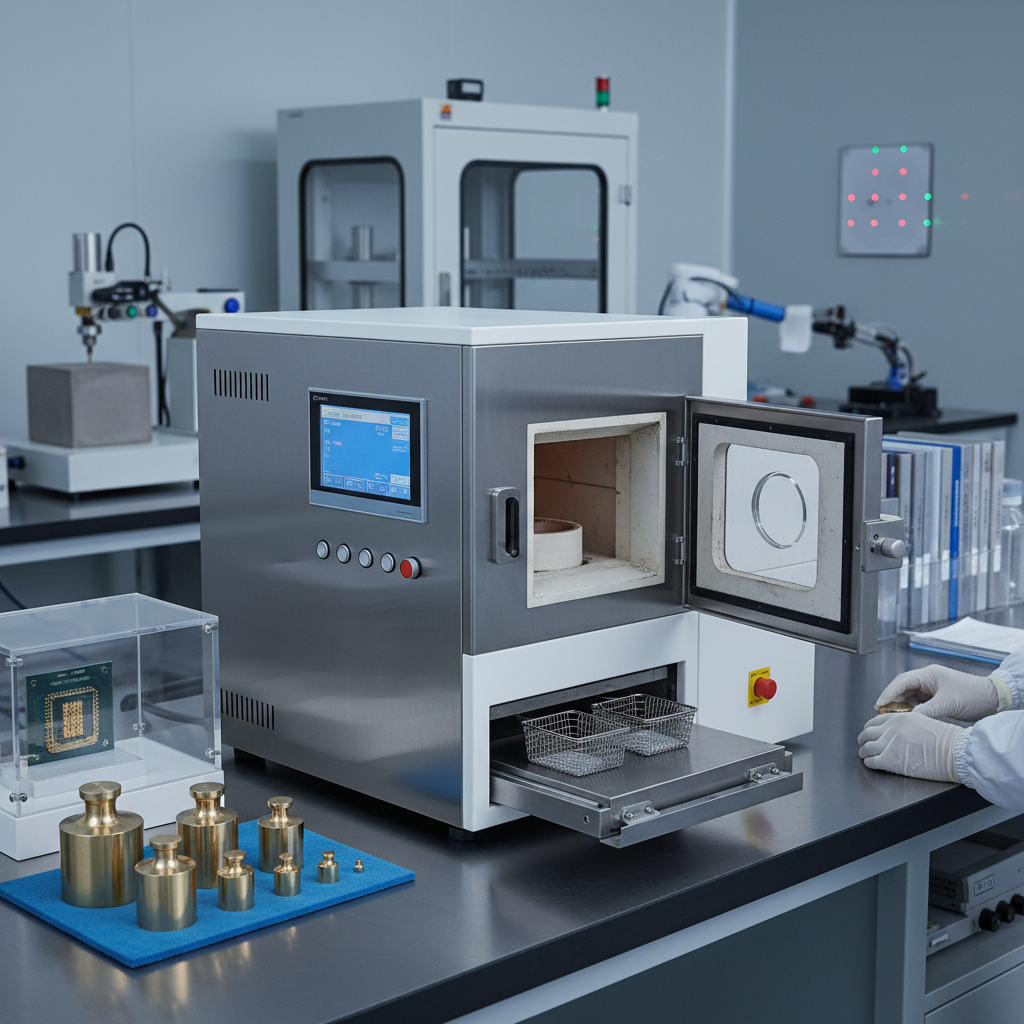
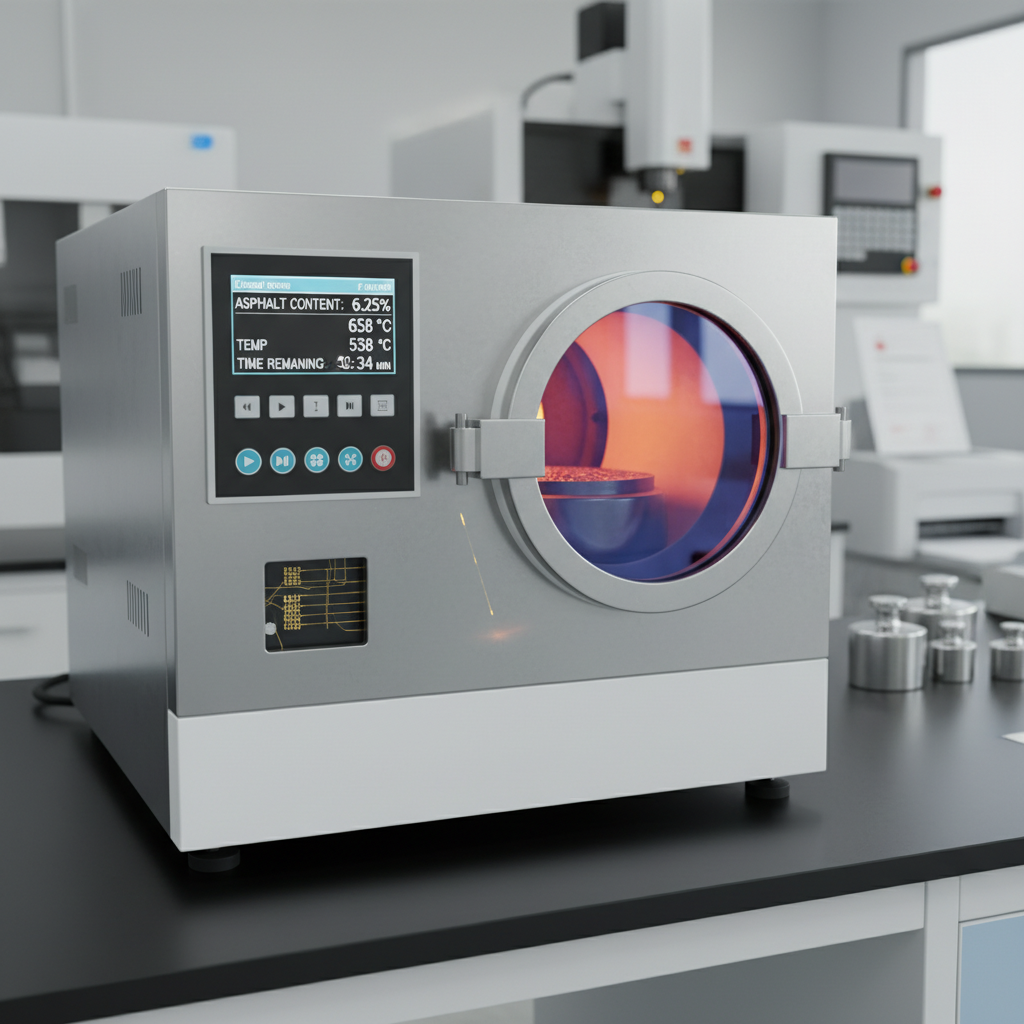
A Combustion Asphalt Content Analyzer is a specialized laboratory instrument designed to determine the percentage of asphalt binder in a mixture by burning off the organic binder at controlled high temperatures. Unlike chemical extraction, this process utilizes a high-precision furnace and an integrated electronic balance to measure the weight difference between the original sample and the remaining mineral aggregate.

In simple terms, the device "burns" the glue (bitumen) that holds the rocks together. By calculating the loss in mass, the analyzer provides a precise percentage of the binder content. This is not merely a measurement of weight but a verification of the mixture's structural design, ensuring that the road is neither too "dry" (leading to cracking) nor too "fat" (leading to rutting).

This technology connects modern materials science with humanitarian infrastructure needs. By providing reliable data, it ensures that roads in remote industrial zones or disaster-relief areas are built to last, reducing the need for frequent repairs and lowering the carbon footprint associated with constant road reconstruction.

Core Components and Performance Factors

The efficiency of a Combustion Asphalt Content Analyzer relies on its heating precision. The furnace must be capable of reaching and maintaining a steady temperature—typically around 500°C to 600°C—to ensure complete combustion of the bitumen without causing the decomposition of the mineral aggregates themselves.

Thermal stability and weight accuracy are the two pillars of the Combustion Asphalt Content Analyzer. High-end models incorporate automatic weight recording systems that interface directly with the furnace, eliminating human error during the weighing process and ensuring that the data is captured the moment combustion is complete.

Furthermore, the scalability of these devices allows them to handle various sample sizes, from small laboratory cores to larger production samples. This versatility ensures that regardless of the project scale, the Combustion Asphalt Content Analyzer can provide consistent, reproducible results across different aggregate types, including limestone and basalt.

Comparative Efficiency of Combustion Methods

When evaluating the performance of various testing methodologies, the ignition method utilized by the Combustion Asphalt Content Analyzer consistently outperforms solvent-based extraction in terms of speed and safety. The ability to process multiple samples simultaneously in a single furnace cycle significantly increases laboratory throughput.

The logical advantage lies in the removal of the "separation" phase. While solvent methods require hours of stirring and centrifugation, the combustion process is a direct path from sample to result. This efficiency is critical for asphalt plants that must adjust their mix designs on-the-fly during active paving operations.

Comparative Analysis of Asphalt Testing Methods

Real-World Applications and Global Use Cases

In the field, the Combustion Asphalt Content Analyzer is used across a wide array of sectors. For instance, state transportation departments in North America utilize these devices to audit contractor quality, ensuring that the asphalt laid on public highways contains the exact percentage of binder specified in the contract to avoid premature potholes.

Beyond highway construction, these analyzers are vital in remote industrial zones where the transport of hazardous solvents is prohibited or logistically impossible. In these settings, the Combustion Asphalt Content Analyzer allows for localized quality control, empowering site engineers to maintain high construction standards without relying on distant urban laboratories.

Long-Term Value and Sustainable Advantages

The long-term value of investing in a Combustion Asphalt Content Analyzer extends beyond mere technical precision. From a sustainability perspective, the elimination of solvent waste reduces the environmental impact of the laboratory. This shift aligns with global "Green Construction" initiatives, reducing the chemical runoff and hazardous air emissions associated with older extraction techniques.

Economically, the reliability of the ignition method reduces the risk of road failure. A slight deviation in asphalt content—even by 0.5%—can lead to a significant reduction in the lifespan of a road. By ensuring total accuracy, the Combustion Asphalt Content Analyzer saves governments and private firms millions in premature resurfacing costs.

Moreover, the psychological value of "trust" in data cannot be overstated. When an independent auditor uses a calibrated Combustion Asphalt Content Analyzer, the resulting reports provide an objective basis for payment and acceptance, fostering a transparent relationship between the client and the contractor.

Future Innovations and Technological Trends

The future of the Combustion Asphalt Content Analyzer is leaning heavily toward digital transformation and automation. We are seeing the integration of IoT (Internet of Things) sensors that allow laboratory managers to monitor combustion cycles remotely via smartphone apps, receiving notifications the moment a sample has finished burning.

Sustainability is also driving the development of "energy-efficient" heating elements. Next-generation analyzers are incorporating induction heating or advanced ceramics that reach the target temperature faster and maintain it with less power, further reducing the operational costs of the laboratory.

Additionally, the integration of AI-driven calibration is on the horizon. Future Combustion Asphalt Content Analyzer models will likely be able to automatically detect the type of aggregate being used and adjust the heating curve in real-time to prevent the loss of carbonate materials, ensuring absolute precision regardless of the stone source.

Technical Specifications and Performance Analysis of Combustion Analyzers

Analysis Dimension Manual Ignition Model Automatic Digital Model High-Capacity Industrial Model
Testing Speed Slow (Manual Weighing) Fast (Auto-Taring) Very Fast (Multi-Sample)
Accuracy Rating 7/10 9/10 10/10
Energy Efficiency Moderate High Optimized
Ease of Operation Technical Training Required User-Friendly Interface Professional Operator
Environmental Impact Low (No Solvents) Very Low Minimal
Cost per Test Low Moderate Lowest (Bulk)

FAQS

How does the Combustion Asphalt Content Analyzer differ from the centrifuge method?

The Combustion Asphalt Content Analyzer uses high-temperature oxidation to burn off the binder, whereas the centrifuge method uses chemical solvents to dissolve it. The combustion method is significantly faster, safer for the operator, and eliminates the need for hazardous waste disposal, making it the preferred choice for modern green laboratories.

Can the Combustion Asphalt Content Analyzer be used for all types of aggregates?

Yes, it can be used for most aggregates. However, for aggregates with high carbonate content (like certain limestones), a correction factor must be applied. This is because high temperatures can cause some carbonates to decompose, which could be misinterpreted as asphalt loss. High-end analyzers often have built-in correction settings for this.

How often does the analyzer need calibration?

To maintain ISO and ASTM compliance, it is recommended to perform a calibration check monthly or whenever the heating element is replaced. Using standard reference materials allows the technician to ensure the weight loss recorded by the Combustion Asphalt Content Analyzer matches a known value within the specified tolerance.

Is the combustion method considered an industry standard?

Absolutely. The ignition method is recognized by major global standards, including ASTM D6307. It is widely accepted by government transportation agencies and private engineering firms as a reliable and accurate way to determine the bitumen content in asphalt mixtures.

What is the average testing time for one sample?

Depending on the sample size and the specific model, a full cycle usually takes between 30 minutes to 2 hours. This is a massive improvement over the solvent extraction method, which can take several hours or even a full day when including the preparation and cleaning phases.

How do I maintain the furnace to ensure long-term accuracy?

Regularly cleaning the combustion chamber to remove residual ash is essential. Additionally, ensuring the ventilation system is working correctly prevents the buildup of combustion gases, which can affect the heating efficiency and the lifespan of the electronics in the Combustion Asphalt Content Analyzer.

Conclusion

The Combustion Asphalt Content Analyzer represents a critical intersection of precision engineering and environmental responsibility. By replacing hazardous solvent extraction with a streamlined, high-temperature oxidation process, it ensures that the foundations of our global transportation networks—our roads—are built with uncompromising accuracy. From its core thermal components to its ability to integrate with digital laboratory management systems, this instrument provides the reliability needed to prevent structural failure and maximize the lifespan of asphalt pavement.

Looking forward, the continued evolution of the Combustion Asphalt Content Analyzer will likely center on smarter automation and energy efficiency. For any laboratory aiming to increase throughput while reducing its chemical footprint, upgrading to a modern ignition-based analyzer is not just a technical improvement, but a strategic investment in sustainability and quality assurance. To ensure your projects meet the highest international standards, we invite you to explore our range of professional testing solutions. Visit our website: www.czlabinstrument.com

Ethan Turner

Ethan Turner

Ethan is the Marketing Director at Cangzhou Jiujiang, focusing on expanding the brand's presence in North America. With over a decade of experience in outdoor apparel marketing, Ethan leverages his knowledge to promote the company’s PU rainwear, emphasizing its BSCI and GRS certifications.

Previous Precision Engineering for Combustion Asphalt Content Analysis
Next High Precision Asphalt Content Analyzer for Road Construction
Leave Your Message

If you are interested in our products, you can choose to leave your information here, and we will be in touch with you shortly.