Ensuring the structural integrity of any construction project begins with the foundation, where the ability to accurately measure soil density and stability is paramount. The use of a Manual Soil Compaction Test Apparatus provides engineers and technicians with a reliable method to determine the optimal moisture content and maximum dry density of various soil types, ensuring that roads, bridges, and buildings are supported by a stable base. Across the global construction industry, standardization in testing is critical to prevent catastrophic structural failures and reduce long-term maintenance costs. By implementing rigorous compaction protocols, project managers can mitigate the risks of soil subsidence
The precision of material analysis is the cornerstone of modern infrastructure and industrial quality control. In the realm of construction materials, the ability to accurately determine the fineness of powders is critical for ensuring the structural integrity and chemical reactivity of binders. This is where specialized Soil Testing Tools and cement analysis instruments play a pivotal role, bridging the gap between raw material processing and high-performance engineering. Across the globe, standardization bodies like ISO and national agencies such as GB Guobiao have established rigorous protocols to maintain safety and durability in civil engineering.
Ensuring the structural integrity of modern infrastructure requires rigorous material testing and precise analysis. In the realm of road construction and bitumen research, the ability to evaluate material properties accurately is paramount to preventing premature pavement failure. A key instrument in this process is the Compaction Test Apparatus , which allows engineers to simulate field conditions and determine the optimal density and moisture content of materials. On a global scale, the demand for high-performance road surfaces has led to an increased reliance on standardized testing equipment. By utilizing a professional Compaction Test Apparatus, laboratories can ensure that asphalt and soil mixtures meet stringent
In the realm of geotechnical engineering and materials science, ensuring the structural integrity of the ground is paramount for any sustainable construction project. The process of soil stabilization and density verification often relies on high-precision instrumentation to determine the optimal moisture-density relationship. Understanding these parameters allows engineers to prevent future subsidence and ensure that the load-bearing capacity of the earth meets rigorous international safety standards. Globally, the demand for precise earthwork verification has grown as urban expansion pushes infrastructure into more challenging terrains, including soft clays and expansive soils.
The stability of modern infrastructure depends heavily on the precision of material testing, where the Geotechnical Compaction Apparatus plays a pivotal role in ensuring the structural integrity of cement-based foundations. By simulating dynamic forces and vibration, these systems allow engineers to evaluate how materials respond to real-world stress, effectively bridging the gap between laboratory theory and field application. Across the global construction landscape, the need for standardized testing has intensified as urban density increases and seismic risks become more prominent. Implementing a rigorous testing regime using a specialized Geotechnical Compaction Apparatus helps in mitigating the risk of structural failure
The precision of material analysis in the construction industry is fundamental to the structural integrity of modern infrastructure. Among the various tools utilized for quality control, the role of a Geotechnical laboratory compaction apparatus or more specifically, specialized analyzers like the negative pressure screen analyzer for cementis indispensable for ensuring that binding materials meet the most rigorous standards of fineness and purity. Globally, the demand for high-performance cement has surged, requiring manufacturers to implement automated and highly accurate testing protocols. By utilizing advanced vacuum technology, these instruments allow engineers to detect irregularities in cement composition that traditional methods might overlook
Ensuring the structural integrity of civil engineering projects begins with a precise understanding of soil mechanics and density. In the global construction landscape, the ability to standardize the density of earthworks is paramount to preventing future subsidence and structural failure. A high-quality Soil Compaction Apparatus allows engineers to determine the optimal moisture content and maximum dry density of various soil types, ensuring that roads, bridges, and dams are built on a stable foundation. From an industrial perspective, the precision of testing equipment directly correlates with the safety and longevity of infrastructure.
The evolution of laboratory heat treatment has led to the development of specialized equipment capable of reaching extreme temperatures, much like the precision required in a Soil Multi-functional Compaction Apparatus for geotechnical analysis. High-temperature muffle furnaces serve as the cornerstone for chemical element analysis and material modification, providing the controlled environment necessary for sintering and annealing processes in industrial laboratories. Across the globe, the demand for rigorous material testing is increasing as infrastructure projects require higher safety standards, necessitating the same level of accuracy found in a Soil Multi-functional Compaction Apparatus.
The advancement of infrastructure depends heavily on the precision of material testing, where the Asphalt Marshall Compactor plays a pivotal role in ensuring road durability and safety. By simulating the compaction process of asphalt mixtures, these instruments allow engineers to determine the optimal bitumen content and aggregate gradation, which are critical for preventing premature road failure. Across the global construction landscape, the transition from manual to automated testing has revolutionized quality control. The implementation of high-precision equipment ensures that every batch of paving material meets stringent international standards, reducing the long-term costs of road maintenance and improving the lifespan of highways.
The quality and durability of modern road infrastructure depend heavily on the precise engineering of asphalt mixtures. To ensure that highways can withstand heavy traffic loads and extreme weather conditions, engineers rely on specialized testing equipment to determine the ideal balance of binder and aggregate. This process is critical for preventing premature pavement failure and ensuring long-term structural integrity. One of the most pivotal tools in this process is the specialized apparatus used to measure the resistance to plastic flow of bituminous materials. By simulating the loading conditions that a road surface encounters, this equipment allows researchers to optimize the mix proportion design
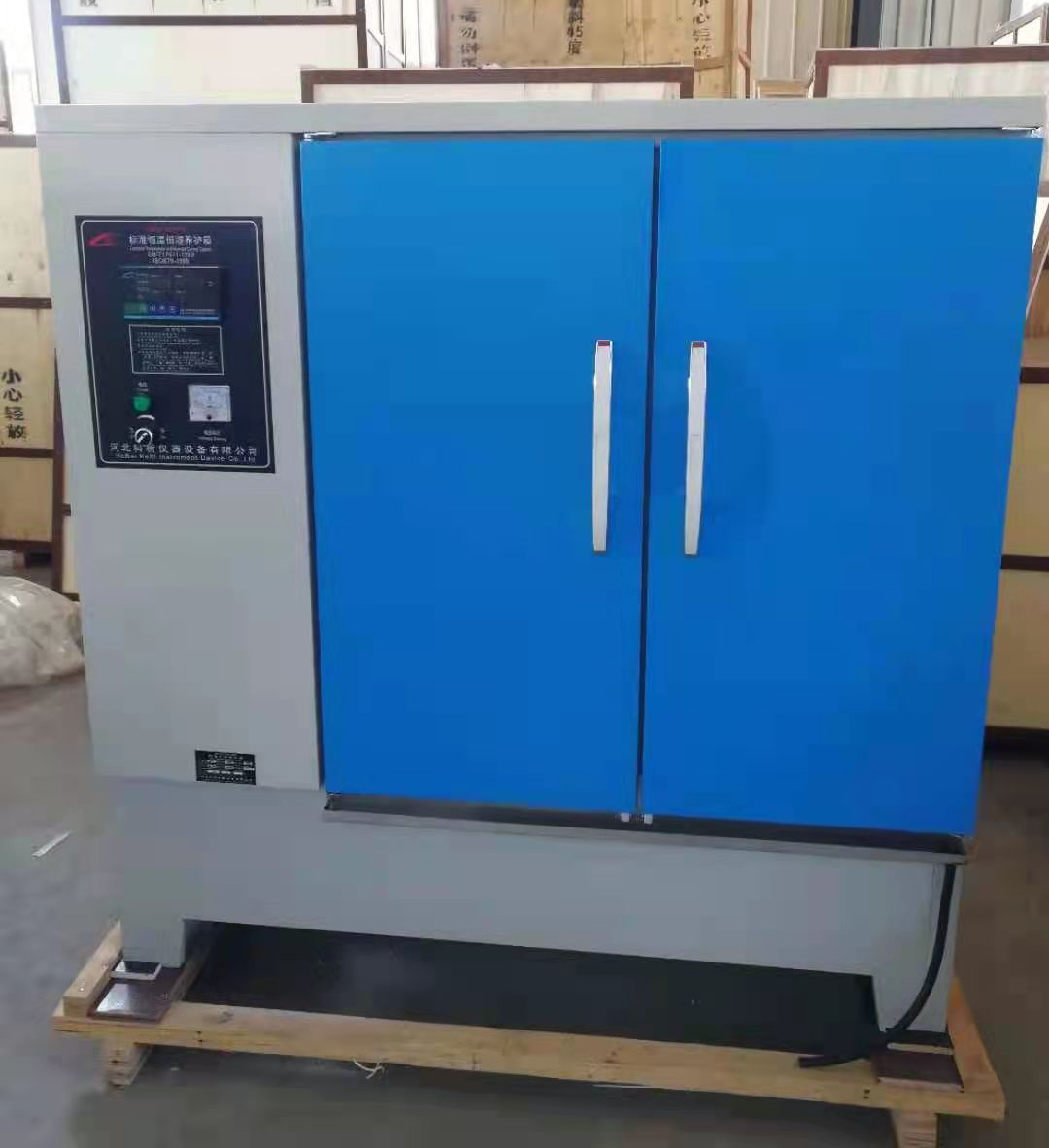
In the demanding world of construction material science, the precision of specimen curing is paramount to ensuring the structural integrity of infrastructure. The emergence of advanced curing systems, often categorized under the broader umbrella of the Intelligent Asphalt Elongation Tester and similar laboratory ecosystems, has revolutionized how engineers validate material strength. By maintaining strict environmental controls, these systems eliminate variables that could otherwise compromise the reliability of concrete and cement testing. Globally, the push toward sustainable and durable urban development has increased the reliance on standardized testing protocols. Adhering to international benchmarks like ISO and GBT is no longer optional but a necessity
In the demanding field of road construction, ensuring the structural integrity of asphalt concrete is paramount for the safety and longevity of global transportation networks. The evaluation of material flow and deformation behavior is a critical step in this process, as it determines how a pavement will respond to heavy traffic loads and fluctuating environmental temperatures. Utilizing a precision instrument like the Asphalt Ductility Elongation Tester allows engineers to quantify the workability and stability of asphalt mixtures, bridging the gap between laboratory design and real-world performance. Across the globe, infrastructure projects are increasingly relying on standardized testing to reduce maintenance costs
If you are interested in our products, you can choose to leave your information here, and we will be in touch with you shortly.