
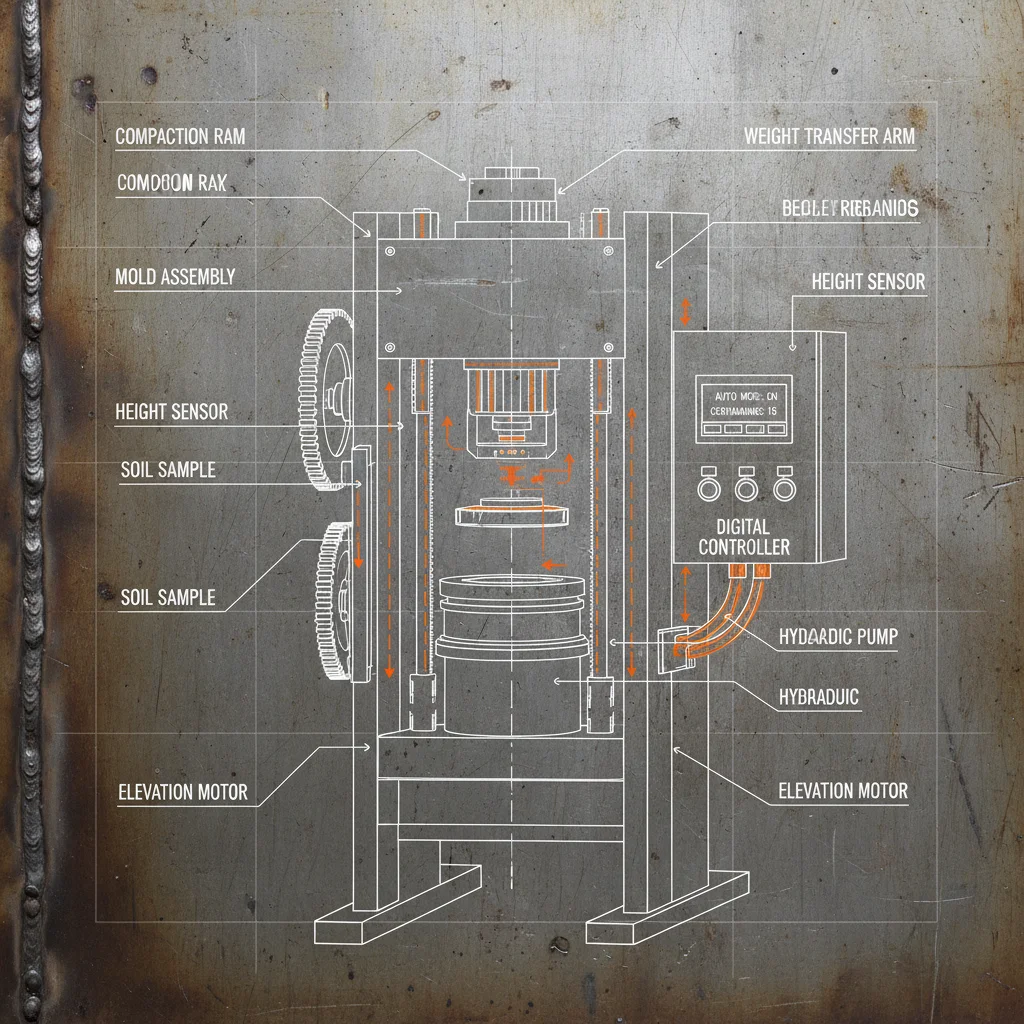
To be honest, everyone's talking about prefabricated buildings and modular construction these days. It’s all the rage, right? Seems like every other project I’m on is using some kind of prefabricated component. But it’s not just slapping together Legos, you know? There's a lot more to it than people realize. The Soil Multi-functional Compaction Apparatus, for example, it’s become crucial for making sure the ground prep is solid before anything goes down. It’s not a glamorous job, but trust me, a bad foundation ruins everything.
Have you noticed how everyone wants everything faster and cheaper? That’s driving a lot of the demand. But faster and cheaper can easily become… well, flimsy. You start cutting corners on materials, and that’s when the headaches begin. I’ve seen it happen too many times. It's really not that simple when it comes to soil compaction.
And people keep forgetting the human element. Engineers design these things, and they’re smart, don’t get me wrong. But they haven’t spent 12 hours a day in the mud, wrestling with equipment. They haven’t felt the difference between good soil and bad soil just by looking at it. That’s where experience comes in.
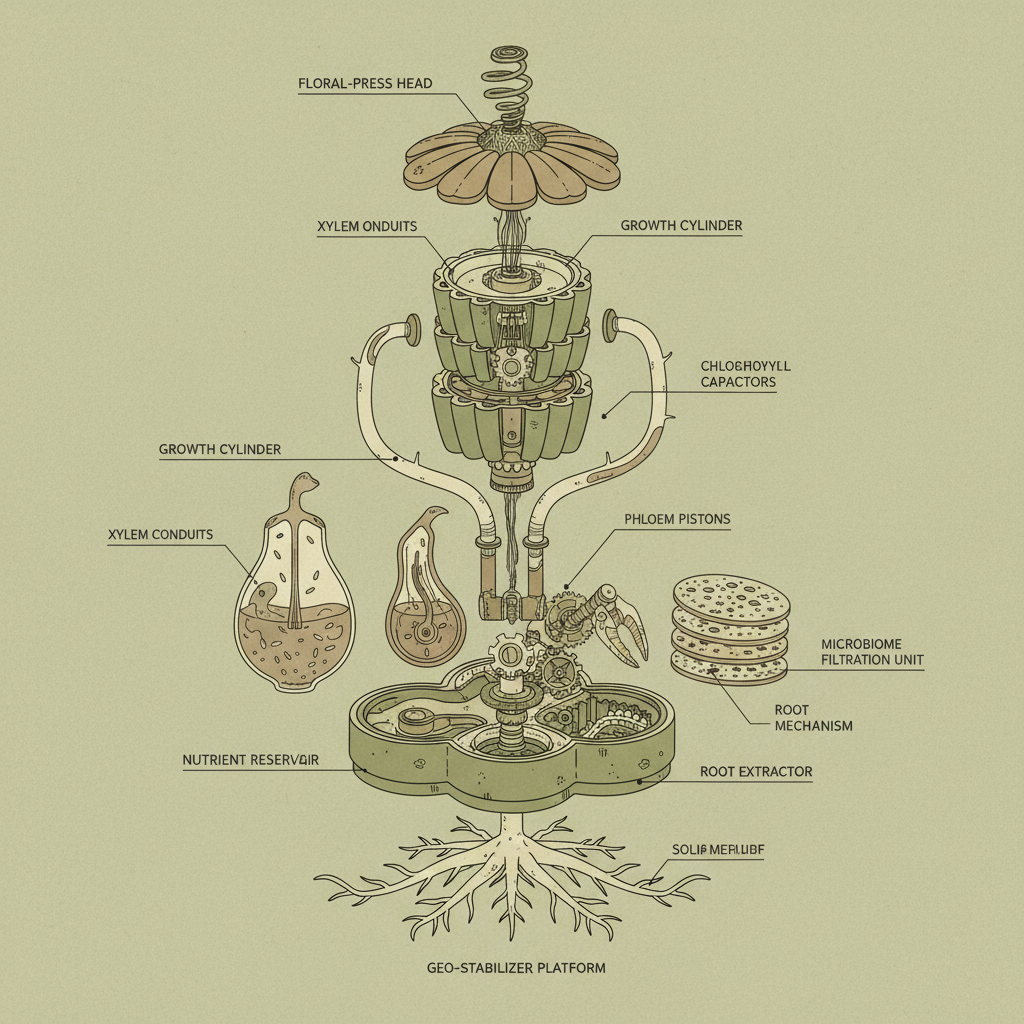
The Rising Demand for Soil Multi-functional Compaction Apparatus
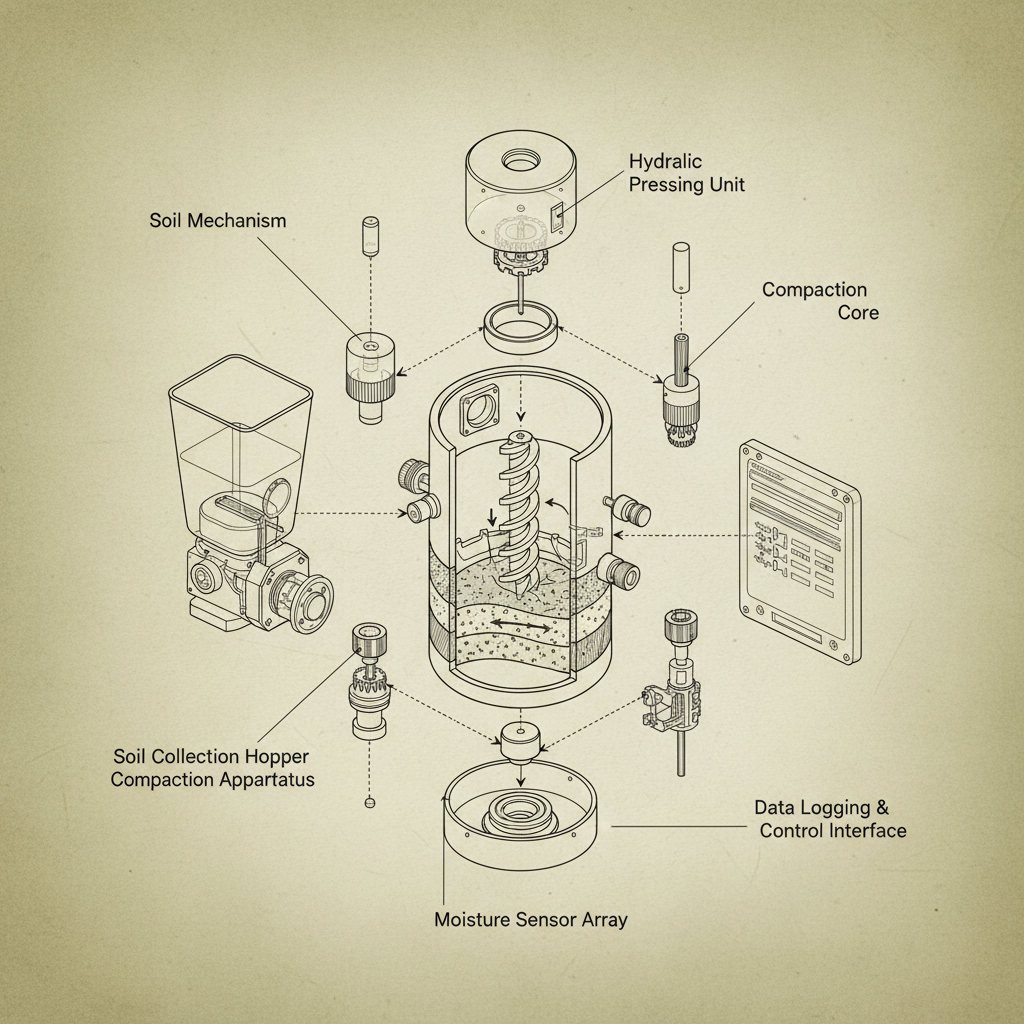
Honestly, the demand’s been crazy. It used to be, you’d see these massive rollers on big highway projects. Now? Every smaller contractor needs something for residential builds, landscaping, even just leveling a pad for a shed. It’s a direct result of all the construction boom, but also because people are realizing the importance of proper compaction. Without it, you get settling, cracking, and a whole lot of headaches down the line.
You see, the rise in prefabricated components – things like modular housing and precast concrete – requires incredibly level and stable ground. It’s not something you can eyeball. It needs to be precise. That’s where the Soil Multi-functional Compaction Apparatus comes in. The whole industry is shifting towards quality control, and this is a key piece of that puzzle.
FAQS
That really depends on how well it’s maintained and how hard it’s worked. A well-cared-for machine can easily last 5-7 years, maybe even longer. But if it's constantly being abused and neglected, you're looking at a much shorter lifespan. Regular greasing, filter changes, and inspections are key. And don’t forget to keep an eye on the tires and the vibration mounts. Those are the first things to go.
They’re pretty versatile, but they really shine on granular soils like sand and gravel. Clay can be trickier – it requires more passes and a different vibration frequency. Silty soils are also challenging, as they tend to get sticky and cling to the roller. It’s always best to do a test patch to see how the machine performs on a specific soil type before starting a large project.
Rollover protection is paramount. You want a machine with a ROPS (Rollover Protective Structure) that meets relevant safety standards. Emergency shut-offs are also crucial. And make sure the operator controls are clear and intuitive. Proper training is essential, too. You can't just hand someone the keys and expect them to know what they’re doing.
Regular maintenance is vital. Daily checks include fluid levels, tire pressure, and visual inspections for damage. Weekly tasks include greasing all lubrication points and cleaning the air filter. More extensive maintenance, like engine tune-ups and hydraulic system checks, should be done annually. It’s all about preventative care – catching small problems before they become big, expensive ones.
Some models are designed specifically for confined spaces. These usually have a narrower width and a tighter turning radius. You also have plate compactors, which are ideal for very tight areas. But for larger areas, even if they aren’t completely open, a standard Soil Multi-functional Compaction Apparatus can work if the operator is careful and skilled.
Larger models absolutely require a lowboy trailer. Make sure the trailer is rated for the weight of the machine. Properly secure the machine with chains and straps. And be aware of height restrictions on roadways. It’s also a good idea to have a spotter to guide the driver, especially in tight spaces. It's just a whole process, trust me.
Conclusion
Ultimately, the Soil Multi-functional Compaction Apparatus is a crucial piece of equipment for any construction project. It's not glamorous, but it's essential for ensuring a solid, stable foundation. From material selection to real-world testing, there's a lot that goes into designing and using these machines effectively. It’s more than just brute force, it’s about understanding the soil, the machine, and the job at hand.
And that’s the thing, isn't it? All the engineering in the world doesn't matter if the guy on the ground can't get the job done. Ultimately, whether this thing works or not, the worker will know the moment he tightens the screw.
Related Posts
-
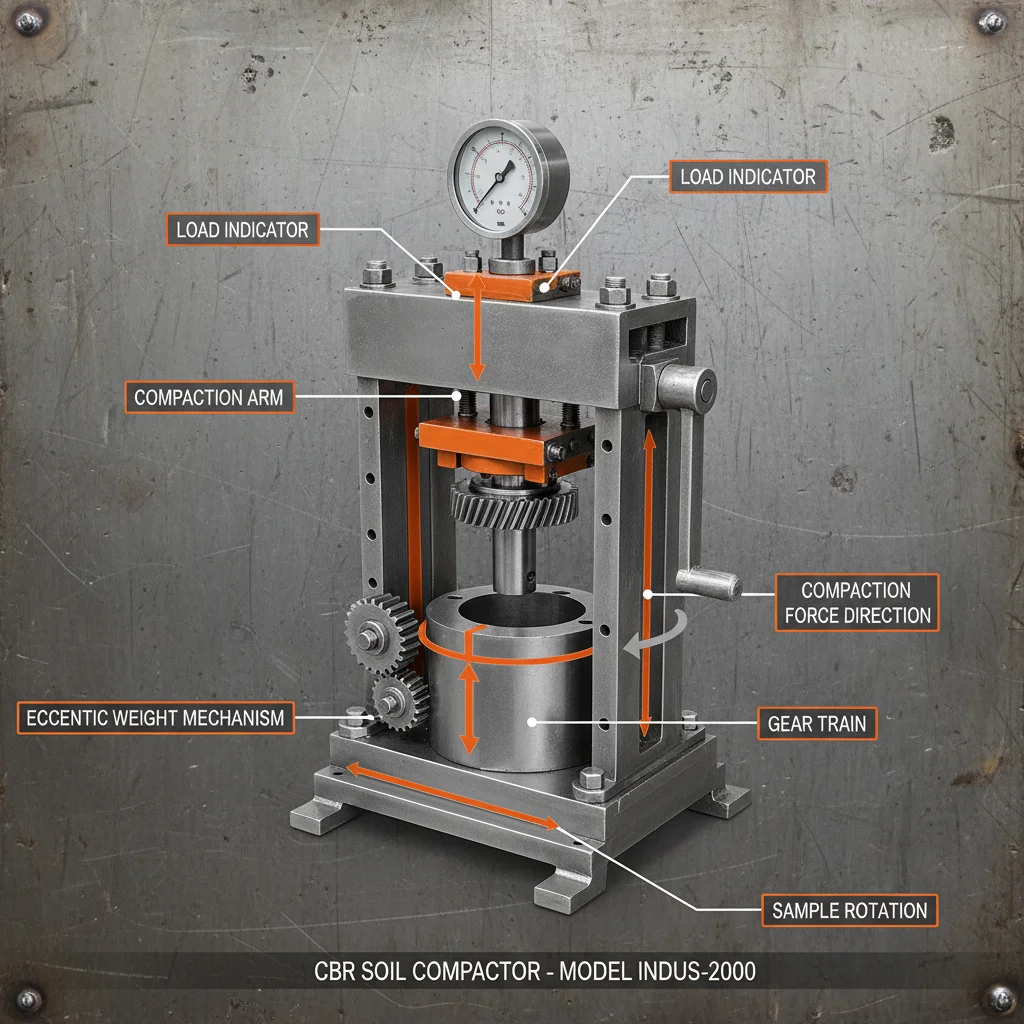
Advancements in CBR Soil Compactor Technology for Infrastructure Development
-
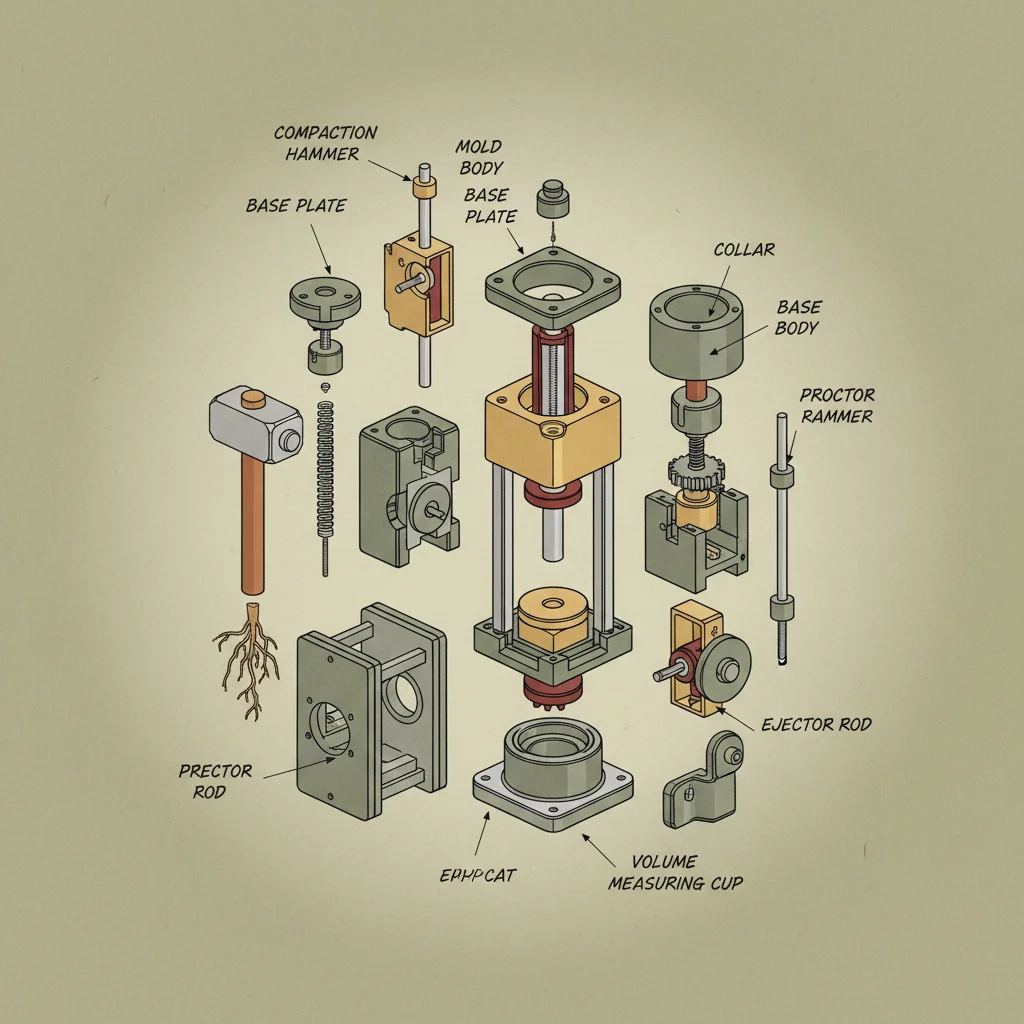
Advancements in Geotechnical Compaction Apparatus for Efficient Site Work
-
Advancing Infrastructure with Automatic Soils Compactor Technology and Solutions
-
Comprehensive Guide to Manual Soil Compaction Equipment and Applications