
The Soil Proctor Compaction Test Apparatus plays a crucial role in civil engineering and geotechnical investigations globally. It's a standardized laboratory test used to determine the optimal moisture content and maximum dry density of soils when compacted. This information is fundamental for ensuring the stability and load-bearing capacity of various construction projects, from roads and foundations to dams and embankments. Accurate soil compaction is directly linked to the longevity and safety of infrastructure, making the Soil Proctor Compaction Test Apparatus an indispensable tool for engineers worldwide.
The demand for reliable soil testing equipment like the Soil Proctor Compaction Test Apparatus is increasing with the rapid urbanization and infrastructure development happening across the globe, particularly in emerging economies. As populations grow and cities expand, the need for robust and durable infrastructure becomes paramount. Meeting these demands requires precise soil analysis to ensure structures can withstand environmental factors and heavy loads. Investment in quality testing equipment, such as a Soil Proctor Compaction Test Apparatus, is therefore a critical component of sustainable development.
Furthermore, the use of the Soil Proctor Compaction Test Apparatus extends beyond large-scale construction. It’s integral to smaller projects, environmental remediation efforts, and even agricultural applications where soil stability is essential. The consistent application of these standardized tests ensures quality control and provides a common benchmark for soil properties, facilitating collaboration and trust amongst engineers and stakeholders.

Introduction to Soil Proctor Compaction Testing
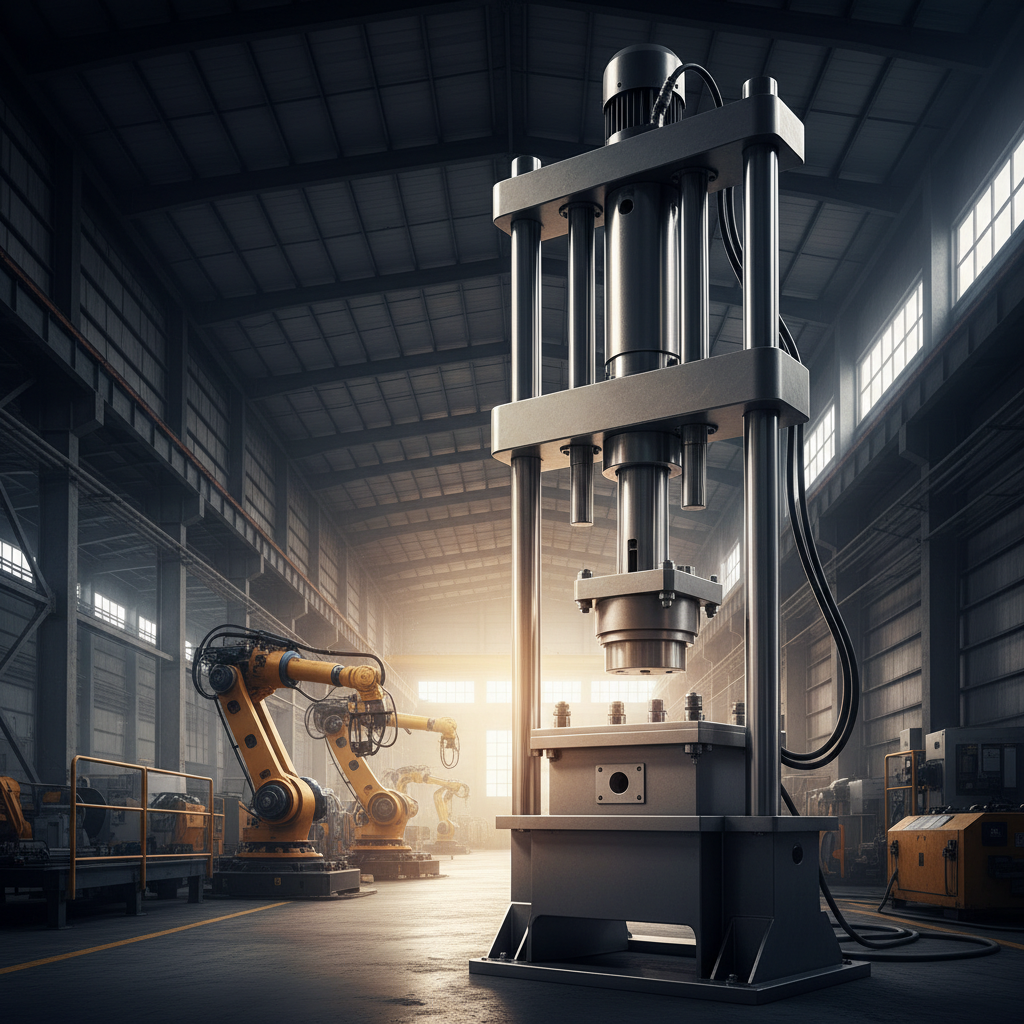
Soil compaction is a fundamental aspect of civil engineering, significantly influencing the stability and performance of constructed facilities. The Soil Proctor Compaction Test Apparatus is the primary tool used to assess the suitability of soil for various construction applications. This process involves subjecting a soil sample to controlled compaction efforts and then measuring its resulting density.
Understanding the principles behind soil compaction and utilizing accurate testing methods, like those provided by a high-quality Soil Proctor Compaction Test Apparatus, is essential for preventing structural failures and ensuring long-term project success. The test helps engineers determine the optimal combination of soil moisture and compaction energy to achieve maximum density.
FAQS
The main difference lies in the compaction energy applied. Modified Proctor tests use a heavier hammer and higher drop height, resulting in greater compaction. Standard Proctor simulates hand compaction, while Modified Proctor mirrors modern motorized equipment. Choosing the right test depends on how the soil will be compacted in the field. Accurate results from a reliable Soil Proctor Compaction Test Apparatus are crucial for informed decision-making.
Calibration should be performed at least annually, or more frequently if the apparatus is used extensively or subjected to heavy handling. Regular calibration ensures the accuracy of measurements, particularly rammer weight and mold dimensions. Following manufacturer's recommendations and adhering to relevant ASTM/ISO standards are essential for maintaining data reliability.
The Proctor test is applicable to a wide range of granular and cohesive soils, including sands, gravels, silts, and clays. However, soils with high organic content may require special consideration. It’s important to prepare samples correctly and follow standard procedures to obtain meaningful results. The Soil Proctor Compaction Test Apparatus facilitates consistent and accurate testing across varied soil types.
Moisture content is a critical factor in soil compaction. There's an optimal moisture content at which the soil achieves its maximum dry density. Too little moisture, and the soil particles won't bind effectively. Too much, and the water will impede compaction. The Proctor test determines this optimal moisture content, providing crucial data for successful construction.
Common errors include improper sample preparation, inaccurate measurement of soil volume and weight, inconsistent compaction effort, and incorrect equipment calibration. Careful adherence to standardized procedures and regular equipment maintenance are vital for minimizing these errors. Using a calibrated and well-maintained Soil Proctor Compaction Test Apparatus significantly reduces the risk of inaccuracies.
Always wear appropriate personal protective equipment (PPE), including safety glasses and gloves. Ensure the apparatus is stable and properly grounded. Be cautious when operating the rammer, and avoid placing hands or other body parts in the compaction area. Follow all manufacturer’s safety guidelines and training procedures.
Conclusion
The Soil Proctor Compaction Test Apparatus remains an essential tool for ensuring the stability, durability, and safety of construction projects worldwide. From infrastructure development to environmental remediation, accurate soil compaction testing is paramount for successful outcomes. By understanding the principles of compaction, utilizing standardized testing procedures, and investing in high-quality equipment, engineers can optimize soil performance and minimize the risk of costly failures.
Looking ahead, the integration of automation, digitalization, and sustainable practices will continue to drive innovation in soil testing technology. Embracing these advancements will enable more efficient, accurate, and environmentally responsible construction practices. For reliable Soil Proctor Compaction Test Apparatus and expert support, visit our website: www.czlabinstrument.com.
Related Posts
-
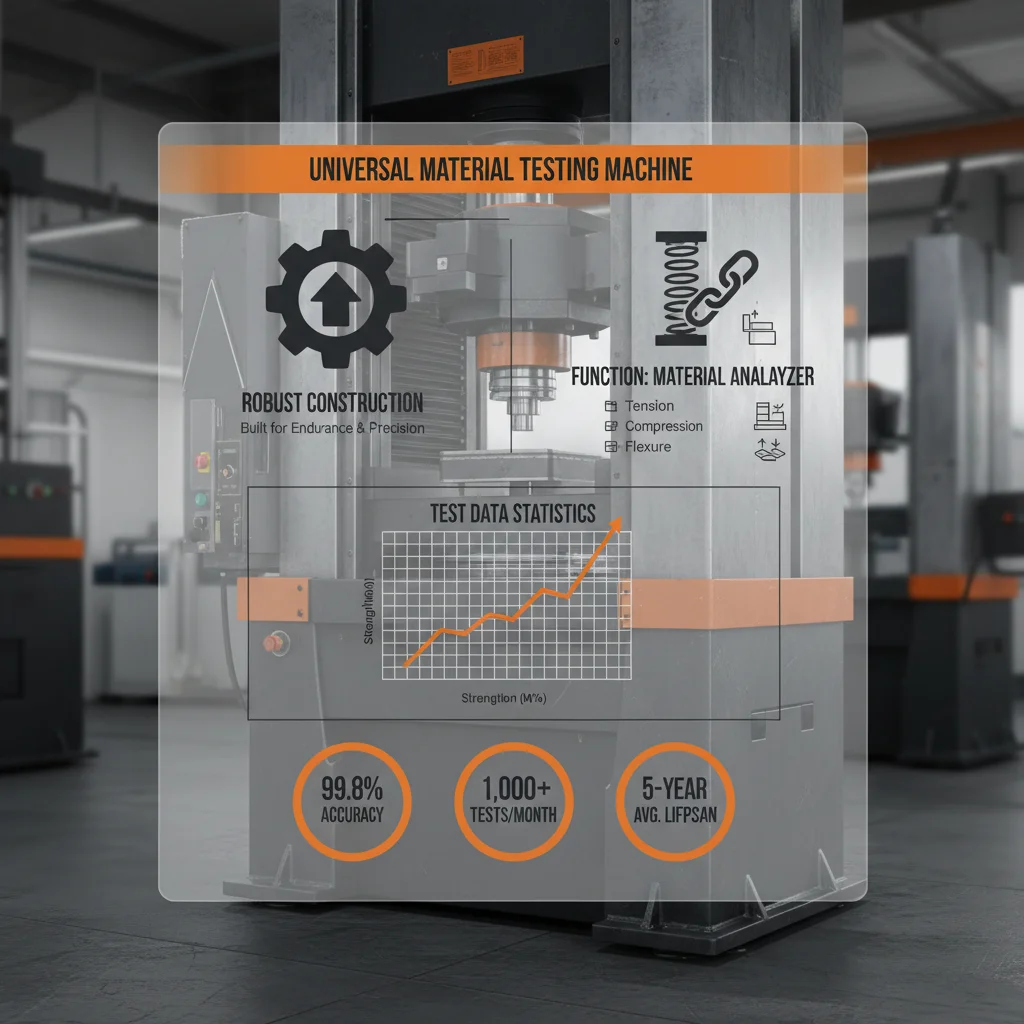
Comprehensive Guide to Universal Material Testing Machine Applications and Advancements
-
Optimizing Road Construction with the Asphalt Marshall Compactor
-
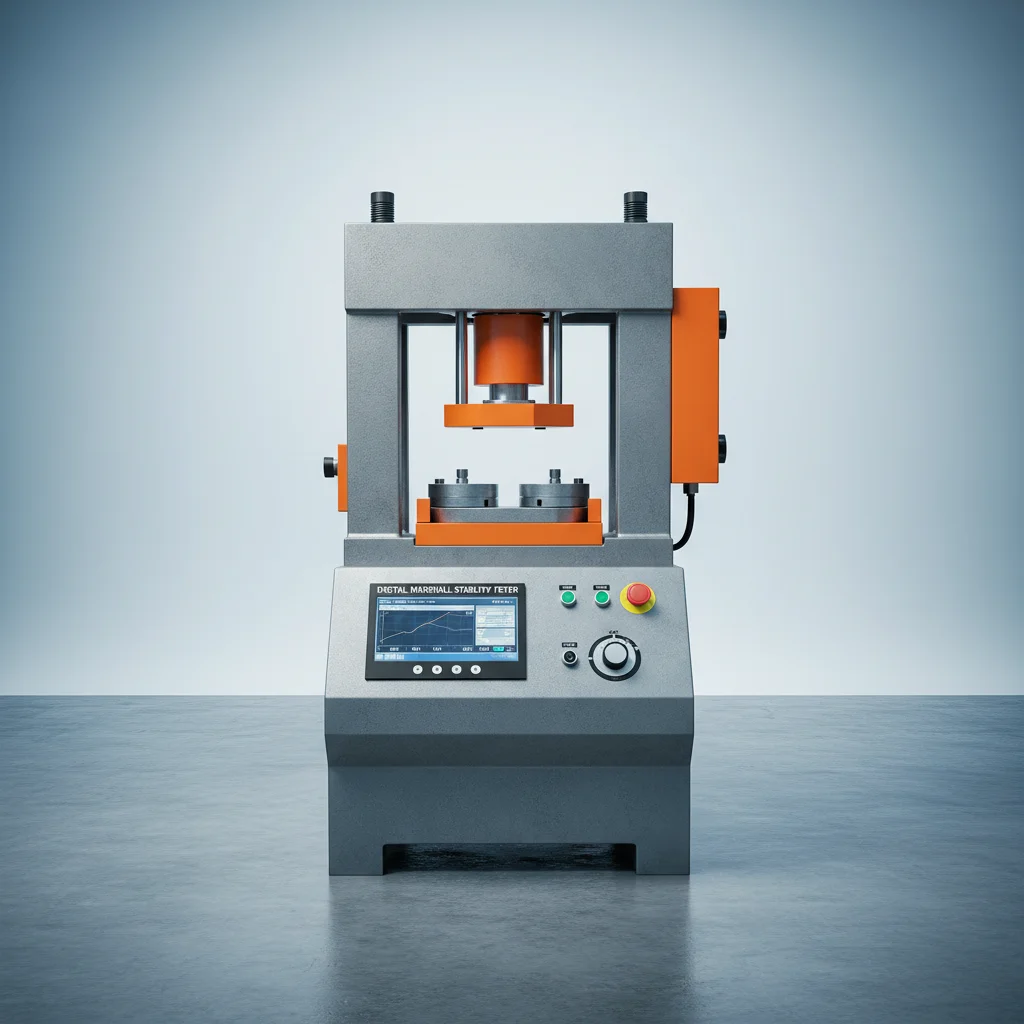
The Digital Marshall Stability Tester Revolutionizing Road and Infrastructure Quality
-
Essential Guide to the 2000KN Concrete Strength machine and its Applications